
Close Menu
    What's Hot

    ETH Slips Below $2k as Sellers Dominate Crypto Market

    May 31, 2026

    Economic Reforms Yet to Fully Impact Businesses, Says NECA

    May 31, 2026

    Nigerian Treasury Bills Yield Eased as Banks Keep Holdings

    May 31, 2026
    Facebook X (Twitter) Instagram
    • Home
    • About Us
    Facebook X (Twitter) Instagram WhatsApp
    MarketForces AfricaMarketForces Africa
    Subscribe
    Monday, June 1
    • Home
    • News
    • Analysis
    • Economy
    • Mobile Banking
    • Entrepreneurship
    MarketForces AfricaMarketForces Africa
    MarketForces Africa » MarketForces News » Trump Turns Venezuelan Oil into Political Weapon – CEO
    News

    Trump Turns Venezuelan Oil into Political Weapon – CEO

    Julius AlagbeBy Julius AlagbeJanuary 16, 2026No Comments3 Mins Read
    Share Facebook Twitter Pinterest Copy Link LinkedIn Tumblr Email VKontakte Telegram
    Trump Turns Venezuelan Oil into Political Weapon – CEO
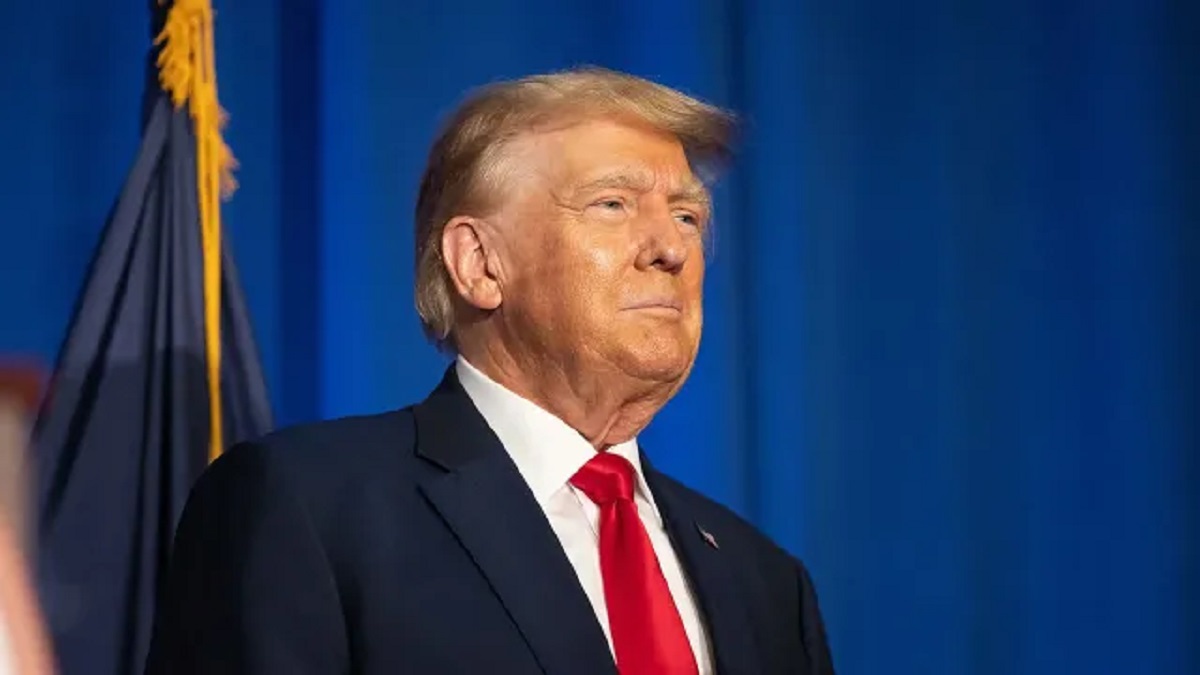
    Donald Trump, U.S. President
    Share
    Facebook Twitter Pinterest Email Copy Link

    Trump Turns Venezuelan Oil into Political Weapon – CEO

     Venezuelan oil supply is becoming “politically elastic”, with volumes now dependent on US electoral and foreign-policy dynamics, adding a new layer of volatility, warns the CEO of global financial advisory giant deVere Group in a statement obtained by MarketForces Africa.

    The warning from Nigel Green comes as the first US-authorised sale of Venezuelan crude was to a company whose senior oil trader donated to Donald Trump’s re-election campaign and attended a White House meeting with the president last week.

    Venezuelan oil policy now sits squarely within the US administration. John Addison, a senior trader at Vitol who has given about $6mn to political action committees backing Trump’s re-election effort, played a central role in securing his company’s $250mn deal for Venezuelan crude.

    The transaction triggered the president’s controversial plan to release up to 50 million barrels of Venezuelan oil onto the market.

    Nigel Green says: “Oil traders can’t easily price political elasticity. It turns barrels into a policy instrument. Supply can now expand or contract on the back of decisions taken in Washington, and markets have to charge for that uncertainty.”

    He adds: “The US now exercises decisive influence through authorizations, counterparties, and the financial and logistical permissions that determine where crude can be sold.

    “Market access has become the lever of power, and risk premiums rise when that lever is political.”

    Venezuela holds the world’s largest proven oil reserves, yet production remains far below potential after years of underinvestment and sanctions.

    Recent policy shifts allow oil to move again, but under conditions shaped by US political priorities rather than long-term sector strategy.

    “Investment in Venezuela’s energy future is now being channelled through US policy decisions,” explains the deVere CEO.

    “This means producers lose autonomy, some traders gain influence, and the structure of the market changes in ways that undermine stability.”

    Venezuelan crude is heavy and sour, suited to specific refinery configurations, particularly along the US Gulf Coast.

    When supply becomes contingent on politics, refiners face planning risk that goes well beyond price swings. A single policy shift can force rapid changes in crude slates, raise procurement costs, and squeeze margins across fuels and petrochemical feedstocks.

    Nigel Green continues: “When Venezuelan supply could appear, disappear, or reroute at political speed, it reshapes differentials, freight rates, and refinery economics far beyond Latin America.

    “The distortion could spread through the entire energy complex.

    “Markets cope with disruption when rules stay consistent. They struggle when supply is tied to political calendars and strategic signalling.

    “Hedging becomes harder, volatility becomes structural, and uncertainty could embed itself into pricing.”

    The consequences extend well beyond energy desks. Higher and more erratic oil prices tighten financial conditions for importing nations, worsen trade balances, and place pressure on currencies. In emerging markets, that combination lifts risk premia and reduces capital flows at the margin.

    “Energy remains the world economy’s most important input,” says the CEO.

    “When oil volatility rises, inflation risks rise, growth assumptions weaken, and central policy choices become more constrained. The spillover can hit equities, credit and foreign exchange at the same time.”

    Shipping and insurance add another transmission channel. Politically sensitive trade routes and rapidly changing counterparties can drive sudden moves in freight and cover costs, pushing delivered crude prices higher even when headline supply appears adequate.

    Nigel Green concludes: “Venezuelan oil now appears to be a Washington-based, political-influence story.

    “The significance lies in the fact that political volatility in energy can become volatility across the entire financial system.” Global Economy Shows Resilience Amid Historic Trade, Policy Uncertainty

    Trump
    Share. Facebook Twitter Pinterest LinkedIn Tumblr Email Telegram Copy Link
    Julius Alagbe
    • Website
    • LinkedIn

    Julius Alagbe is a senior financial journalist and Editor at MarketForces Africa with nearly two decades of experience in finance, accounting, and economics reporting.He is one of Nigeria's most prolific financial market reporters, covering capital markets, monetary policy, corporate earnings, banking, telecoms, and macroeconomic developments across Africa.Julius has built a strong footprint reporting on Nigeria's leading corporates and financial services sector, including coverage of the Nigerian Exchange Group, Central Bank of Nigeria monetary operations, MTN Nigeria, GTCO, and major investment banking transactions.He regularly monitors the CBN’s open market operations, interbank FX markets, and equity market movements, providing readers with real-time intelligence on Nigeria’s financial landscape.His reporting draws on direct access to institutional research from firms including Moody’s Ratings, CardinalStone Securities, Fitch, and other leading African investment houses.Julius brings analytical depth and editorial rigour to every story, making complex financial data accessible to professionals, investors, and policymakers across Africa.Julius Alagbe is based in Lagos, Nigeria.

    Related Posts

    News

    ETH Slips Below $2k as Sellers Dominate Crypto Market

    May 31, 2026
    News

    Economic Reforms Yet to Fully Impact Businesses, Says NECA

    May 31, 2026
    News

    Nigerian Treasury Bills Yield Eased as Banks Keep Holdings

    May 31, 2026
    News

    Aradel Holdings Gains 5% Amidst Missed Regulatory Filing

    May 31, 2026
    News

    Banking, Consumer Stocks Drive N4.5trn Investors Gain in May

    May 31, 2026
    News

    DOGEUSD – Dogecoin Slides to $0.10 on Memecoin Selloffs

    May 31, 2026
    Add A Comment

    Comments are closed.

    Editors Picks

    ETH Slips Below $2k as Sellers Dominate Crypto Market

    May 31, 2026

    Economic Reforms Yet to Fully Impact Businesses, Says NECA

    May 31, 2026

    Nigerian Treasury Bills Yield Eased as Banks Keep Holdings

    May 31, 2026

    Aradel Holdings Gains 5% Amidst Missed Regulatory Filing

    May 31, 2026
    Latest Posts

    ETH Slips Below $2k as Sellers Dominate Crypto Market

    May 31, 2026

    Economic Reforms Yet to Fully Impact Businesses, Says NECA

    May 31, 2026

    Nigerian Treasury Bills Yield Eased as Banks Keep Holdings

    May 31, 2026

    Aradel Holdings Gains 5% Amidst Missed Regulatory Filing

    May 31, 2026

    Banking, Consumer Stocks Drive N4.5trn Investors Gain in May

    May 31, 2026

    Subscribe to News

    Get the latest sports news from NewsSite about world, sports and politics.

    About US
    About US

    MarketForces Africa is a financial information service provider with interest in media, training and research. The media platform provides information about markets, economies, and crypto, forex markets and investment ecosystem.

    Contact Us:
    Suite 4, Felicity Plaza, Freedom Estate Drive, Lagos-Ibadan Express Road, Magboro
    T: . 08076677707, 08052076440

    Facebook X (Twitter) Instagram Pinterest YouTube
    Latest Posts

    ETH Slips Below $2k as Sellers Dominate Crypto Market

    May 31, 2026

    Economic Reforms Yet to Fully Impact Businesses, Says NECA

    May 31, 2026

    Nigerian Treasury Bills Yield Eased as Banks Keep Holdings

    May 31, 2026

    Subscribe to Updates

    Get the latest creative news from FooBar about art, design and business.

    © 2026 Marketforces Africa
    • About
    • Contact us
    • Subscription Plans
    • My account

    Type above and press Enter to search. Press Esc to cancel.