

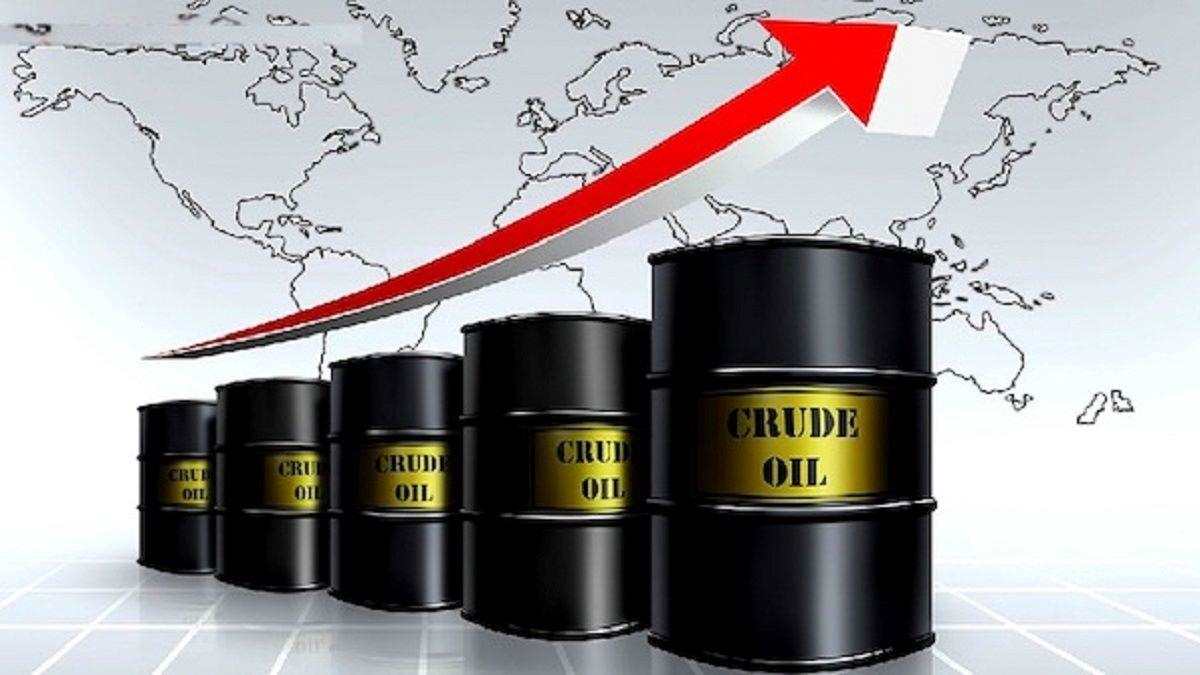
Oil Prices Increase 6% in 5 Days over Mixed Market Concerns
Oil prices posted solid weekly gains as escalating geopolitical tensions in the Middle East, renewed security concerns surrounding the Strait of Hormuz and continued attacks on Russian energy infrastructure outweighed expectations of higher OPEC+ production.
International benchmark Brent crude traded at $76.85 per barrel, up 6.5% from last Friday’s close of $72.12. US benchmark West Texas Intermediate (WTI) traded at $72.42 per barrel, up 5.3% from $68.78 a week earlier.
Oil prices started the week with modest gains after the Organisation of the Petroleum Exporting Countries (OPEC) and its allies, known as OPEC+, agreed to increase their collective production target by 188,000 barrels per day (bpd) for August, continuing the gradual unwinding of voluntary output cuts.
The decision pointed to additional supply in the coming months and initially limited upward pressure on prices. Investors also monitored US inventory data, economic indicators and the Federal Reserve’s policy outlook for further signals on demand.
Market sentiment shifted on Tuesday after reports of missile attacks targeting commercial vessels in the Strait of Hormuz renewed concerns over potential disruptions to global energy supplies.
At the same time, Ukrainian drone strikes on Russian energy infrastructure, including one of the country’s largest refineries, revived concerns over fuel production and exports.
Prices climbed sharply on Wednesday after the US revoked a waiver allowing Iranian oil sales under an interim agreement with Tehran, raising expectations of tighter global crude supplies.
Concerns intensified after additional attacks on vessels in the Strait of Hormuz raised fears that shipowners and regional producers could reduce traffic through the strategic waterway.
The rally accelerated after US President Donald Trump declared the ceasefire with Iran was “over” following a new wave of US strikes against Iranian targets, fueling fears of a broader conflict that could threaten crude and fuel shipments from the Gulf. Brent climbed above $78 per barrel during the week before easing in later sessions.
Although prices retreated from weekly highs, Brent remained elevated through Friday as Washington and Tehran exchanged fresh military strikes, keeping supply risks in the Strait of Hormuz in focus.
Additional support came from continued Ukrainian attacks on Russian oil infrastructure, with reports indicating that repeated strikes have disrupted a significant share of Russia’s refining capacity this year.
However, gains were capped by expectations that higher OPEC+ production would gradually increase global supply, while concerns that rising energy prices could fuel inflation and keep interest rates elevated for longer continued to weigh on the outlook for oil demand.
