

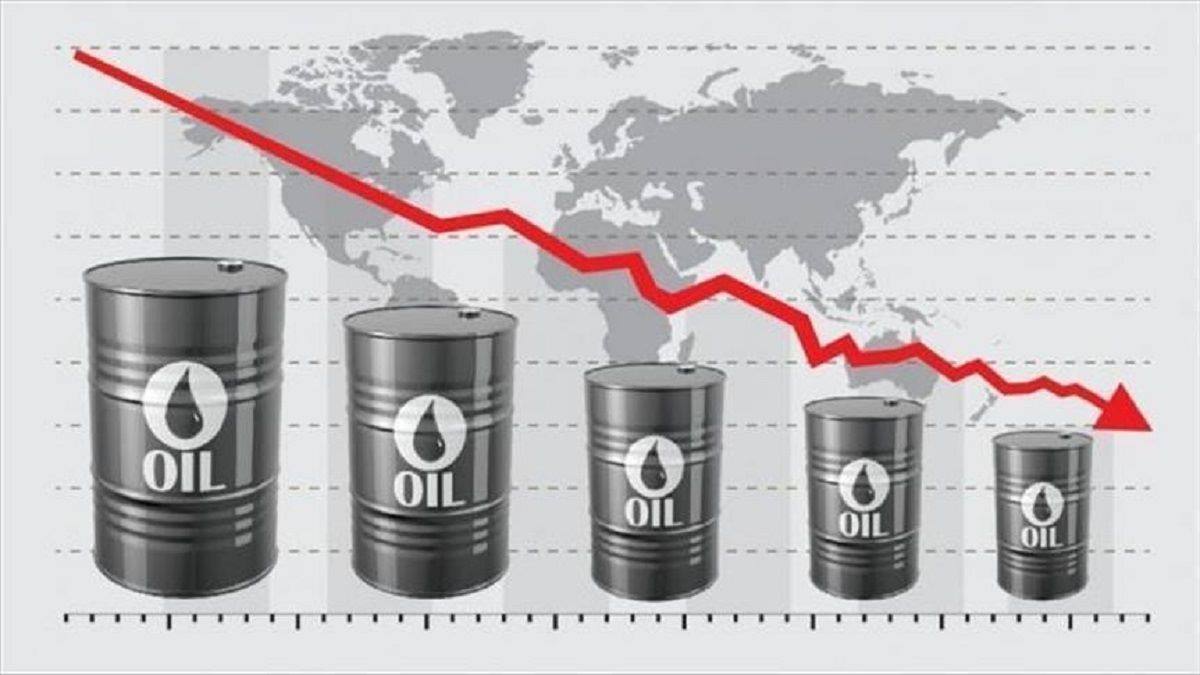
Oil Prices Fall 9% in 5 Days as US-Iran Tensions Ease
Oil market posts weekly losses as progress toward a US-Iran ceasefire agreement eases concerns over potential supply disruptions through the strategic Strait of Hormuz.
International benchmark Brent crude traded at $91.29 per barrel, down 8.9% from last Friday’s close of $100.21. US benchmark West Texas Intermediate (WTI) also fell 9.3% on a weekly basis to $87.60 per barrel, compared with $96.60 a week earlier.
The downward trend began on Monday, May 25, following signals of diplomatic progress from Washington and Tehran.
US Secretary of State Marco Rubio noted Monday that negotiations were actively in progress, adding that “a pretty solid thing” was on the table regarding efforts to reopen regional shipping straits and launch time-limited nuclear negotiations.
Further momentum built following comments from US President Donald Trump on Truth Social. Trump described the negotiations as “orderly and constructive” and relations as “much more professional and productive,” though he emphasised that a naval blockade would remain in place until a final agreement is reached.
He also reiterated that Iran must not acquire nuclear weapons.
By Friday, reports had emerged that Washington and Tehran had drafted an agreement to extend their ceasefire for 60 days, allowing negotiations regarding Iran’s nuclear program and regional security to continue. The proposed deal still awaits formal approval from President Trump.
While the news has raised expectations that shipping traffic through the Strait of Hormuz will gradually normalise, current traffic remains well below pre-conflict levels. This lingering disruption continues to maintain a geopolitical risk premium in energy markets.
Market analysts note that investors have increasingly priced in a diplomatic resolution this week. They expect that formal confirmation of a deal to reopen the strait will likely cap further significant downside for oil prices during the early stages of the ceasefire.
Investors also monitored broader macroeconomic developments during the week.
US inflation data showed price pressures remained elevated, with higher-than-expected personal consumption expenditures inflation reinforcing expectations that the Federal Reserve (Fed) may keep interest rates higher for longer.
Expectations that the Fed will maintain higher interest rates for an extended period are increasing concerns over the demand outlook, putting downward pressure on prices. NCC on Course to Address Concerns over Telecom Operators’ Poor Services
