
Close Menu
MarketForces AfricaMarketForces Africa
    What's Hot

    Industrial Growth Threatens as Credit to Manufacturers Drops 22% – MAN

    June 23, 2026

    Pi Slumps to $0.128 Amidst Binance Listing Speculation

    June 23, 2026

    Bitcoin Price Drops to $62.2k on Sustained ETF Outflows

    June 23, 2026
    Facebook X (Twitter) Instagram
    Trending
    • Industrial Growth Threatens as Credit to Manufacturers Drops 22% – MAN
    • Pi Slumps to $0.128 Amidst Binance Listing Speculation
    • Bitcoin Price Drops to $62.2k on Sustained ETF Outflows
    • CBN Allots N2.1trn in OMO Bills to Banks, Foreign Investors
    • Naira Slides as Growing FX Payments Weigh on Dollar Volume
    • South Africa Rand Weakens as Business Indicator Declines
    • Equities Market Surges by N1.64trn on Airtel Gain, Ellah Lakes Listing
    • Euro Trades at Lowest in 12 Months Amidst Softer PMI
    • Home
    • About Us
    Facebook X (Twitter) Instagram LinkedIn WhatsApp TikTok Telegram
    MarketForces AfricaMarketForces Africa
    Subscribe
    Wednesday, June 24
    • Home
    • News
    • Analysis
    • Economy
    • Mobile Banking
    • Entrepreneurship
    MarketForces AfricaMarketForces Africa
    MarketForces Africa » MarketForces News » Energy Crisis Shifts Nigeria’s Interest Rate Cut Outlook -Analysts

    Energy Crisis Shifts Nigeria’s Interest Rate Cut Outlook -Analysts

    Olu AnisereBy Olu AnisereApril 22, 2026Updated:April 22, 2026 News No Comments4 Mins Read
    Energy Crisis Shifts Nigeria’s Interest Rate Cut Outlook -Analysts
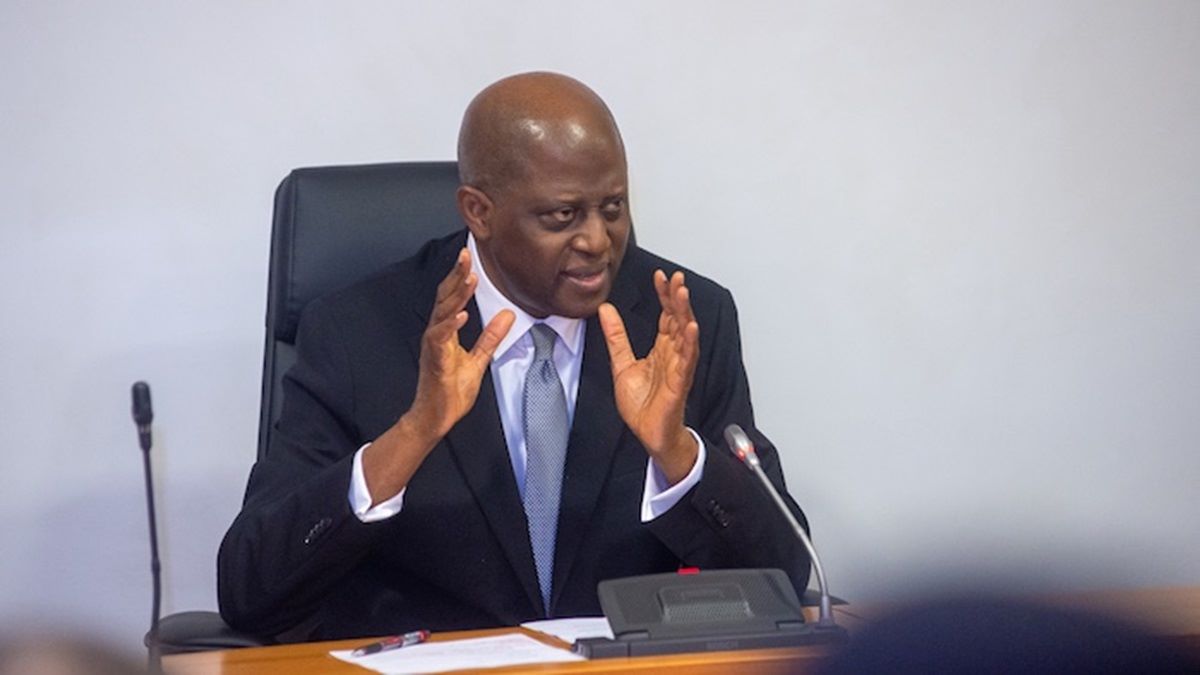
    Yemi Cardoso, CBN Gov
    Share
    Facebook Twitter LinkedIn Pinterest Email Tumblr Reddit Telegram WhatsApp Copy Link

    Energy Crisis Shifts Nigeria’s Interest Rate Cut Outlook -Analysts

    The outlook for an interest rate cut in Nigeria has turned negative, as disinflation reversed amid the global energy crisis triggered by the U.S.-Iran war in the Middle East.

    Nigeria’s macroeconomic indicators have been improving, though the local economy has seen little or no change amidst reforms.

    Costs of living continue to increase sharply, while the standard of living has nosedived since FX, subsidy reform, and redistribution of wealth to the government, rather than the people.

    Federally collected income has recorded a significant increase, and so has the naira value of external debt services due to exchange rate risks.

    FX reform has stabilised the exchange rate, but the consumer price index remains elevated, with projections indicating an uptick in the second quarter.

    Petrol pump prices have increased by about 100%, though wage earnings remain stable, and locals continue to contend with unemployment, with no latest statistics available at the moment.

    The market has anticipated a slash in the monetary policy rate to boost lending into the private sector and enhance the economic growth trajectory.

    With a benchmark interest rate at 26.5%, businesses are grappling with the costs of borrowing. The cost of doing business remains on the rise, and it is fuelling an increase in price surge by the oligarchy, as seen in the cement sector.

    Rent, food prices and costs of mobility have become unbearable, and personal borrowing has become a nightmare for people struggling to survive the economic hardship.

    Interest rate at 26.5% is anti- economic growth, some analysts said, noting that the private sector’s borrowing activities will be low, and banks will continue to invest in government borrowing instruments to survive Nigeria’s rising loan default rate.

    In its latest report, the National Bureau of Statistics said headline Inflation rises to 15.38% y/y in March.  This represents a 32 basis points (bps) increase from the 15.06% y/y recorded in February, effectively halting the consecutive eleven-month disinflationary trend.

    On a month-on-month (m/m) basis, inflation rose significantly to 4.2%, more than double the 2.0% recorded in the preceding month.  This sharp uptick underscores an inflationary momentum introduced by external factors.

    In particular, heightened geopolitical tensions in the Middle East have led to an increase in global energy prices, which is now feeding through into domestic price levels and offsetting the earlier gains from monetary tightening.

    The inflationary pressures were broad-based across key components of the index.

    Food inflation rose significantly to 14.3% y/y, up from 12.1% y/y in February, representing a 220bps increase. This acceleration was primarily driven by seasonal supply constraints associated with the ongoing planting season.

     On a monthly basis, food inflation declined marginally to 4.2% (vs 4.7% in February), reflecting reduced demand after the Ramadan festive season.

    However, farm produce inflation increased to 4.6% m/m, up from 3.7% m/m in the prior month, reflecting supply-side constraints that were further compounded by elevated transportation and logistics costs, amplifying pass-through effects on staple food prices.

    In addition, core inflation also rose, to 16.2% y/y from 15.9% y/y in February. This was largely driven by increased fuel costs, which continue to exert upward pressure on service-related activities.

    On a monthly basis, core inflation rose to 4.0% m/m (vs. 0.9% m/m prior) and services inflation rose to 2.6% m/m (vs. 0.3% m/m prior), reflecting the continued adverse effect of higher fuel prices on the services sector.

    Higher energy prices halt disinflationary trend and could sustain elevated inflation in the near term, CSL Stockbrokers Limited said in a note.

    The investment firm said this supply-side pressure is likely to be further exacerbated by persistent logistics challenges, including elevated transportation costs and insecurity in key food-producing regions, which continue to disrupt farm-to-market distribution channels.

    In addition, higher global energy prices remain a critical upside risk, as it raises the cost of imported food items and agricultural inputs such as fertilisers and agrochemicals.

    Also, increased demand associated with Easter festive celebration could further influence upward pressure on food prices in the month of April.

    Core inflation is similarly projected to remain elevated, underpinned by sustained increases in fuel prices and their broad-based pass-through effects on services and other non-food components of the consumer basket.

    In addition, higher energy prices could persist in the near term due to the ongoing war in the Middle East between the US, Israel and Iran.

    Consequently, due to the second-round effect of higher fuel prices, higher operating expenses are expected across all sectors, including transportation, hospitality, and healthcare, thereby feeding into higher final consumer prices. Energy Crisis Shifts Nigeria’s Interest Rate Cut Outlook -Analysts

    Nigeria’s Public Debt Stock Rises to N159.28trn

    Share. Facebook Twitter Pinterest LinkedIn Tumblr Email
    Olu Anisere
    • Website
    • LinkedIn

    Olu Anisere is a financial and economic journalist at MarketForces Africa, specialising in African macroeconomic policy, international finance, energy markets, and continental development.He covers major multilateral institutions, including the International Monetary Fund (IMF), World Bank, and the United Nations Economic Commission for Africa (ECA), providing readers with frontline reporting on policies shaping Africa's economic trajectory.Olu has reported extensively on Nigeria's fiscal and monetary policy landscape, including CBN interest rate decisions, Nigeria's bond market, FX inflows, and the country's engagement with global financial institutions.His coverage spans IMF and World Bank Spring and Annual Meetings, African Ministers of Finance conferences, and high-level economic forums where Africa's development agenda is set.His reporting captures perspectives from Africa's most influential economic voices, including Tony Elumelu, senior IMF officials, and CBN leadership, bringing institutional insight and policy depth to MarketForces Africa's readers.Olu also covers Inside Africa — tracking economic, investment, and development stories from across the continent. Olu Anisere is based in Lagos, Nigeria.

    Keep Reading

    Industrial Growth Threatens as Credit to Manufacturers Drops 22% – MAN

    Pi Slumps to $0.128 Amidst Binance Listing Speculation

    Bitcoin Price Drops to $62.2k on Sustained ETF Outflows

    CBN Allots N2.1trn in OMO Bills to Banks, Foreign Investors

    Naira Slides as Growing FX Payments Weigh on Dollar Volume

    South Africa Rand Weakens as Business Indicator Declines

    Add A Comment

    Comments are closed.

    Editors Picks

    Industrial Growth Threatens as Credit to Manufacturers Drops 22% – MAN

    June 23, 2026

    Pi Slumps to $0.128 Amidst Binance Listing Speculation

    June 23, 2026

    Bitcoin Price Drops to $62.2k on Sustained ETF Outflows

    June 23, 2026

    CBN Allots N2.1trn in OMO Bills to Banks, Foreign Investors

    June 23, 2026

    Naira Slides as Growing FX Payments Weigh on Dollar Volume

    June 23, 2026
    Latest Posts

    Industrial Growth Threatens as Credit to Manufacturers Drops 22% – MAN

    June 23, 2026

    Pi Slumps to $0.128 Amidst Binance Listing Speculation

    June 23, 2026

    Bitcoin Price Drops to $62.2k on Sustained ETF Outflows

    June 23, 2026

    CBN Allots N2.1trn in OMO Bills to Banks, Foreign Investors

    June 23, 2026

    Naira Slides as Growing FX Payments Weigh on Dollar Volume

    June 23, 2026

    Subscribe to News

    Get the latest sports news from Dmarketforces Africa about finance, business and tech.

    Advertisement
    Facebook X (Twitter) Pinterest Vimeo WhatsApp TikTok Instagram

    News

    • World
    • Politics
    • Economy
    • Business
    • Opinions
    • Fintech
    • Science & Technology

    Company

    • About us
    • Advertising
    • Classified Ads
    • Contact Info
    • Editorial Policy

    Services

    • Subscriptions
    • Research
    • Due Diligence
    • Newsletters
    • Sponsored News
    • Work With Us

    Subscribe to Updates

    Subscribe to updates from MarketForces Africa, an independent financial news service provider.

    © 2026 MarketForces Africa. All rights reserved.
    • Privacy Policy
    • Terms
    • Accessibility

    Type above and press Enter to search. Press Esc to cancel.