

Gabon’s Revised 2026 Budget Leaves Deficit High, Financing Uncertain -Fitch
Gabon’s revised 2026 budget maintains the authorities’ commitment to high public spending on capital projects, leaving the projected fiscal deficit wide, Fitch Ratings says.
The revisions make fiscal targets more realistic, but a projected wider deficit and greater reliance on external commercial borrowing highlight financing challenges and will remain obstacles to agreeing a new IMF programme.
The partial use of the proceeds from the recent external private placement to repay official sector arrears and low execution of capital spending in 1H 2026 could mitigate these risks.
The revised 2026 budget, published on 21 July, reduces projected revenue by 23% (closer to historical averages) and projected capex by 45% from the assumptions in the original 2026 budget law, which Fitch viewed as unrealistic.
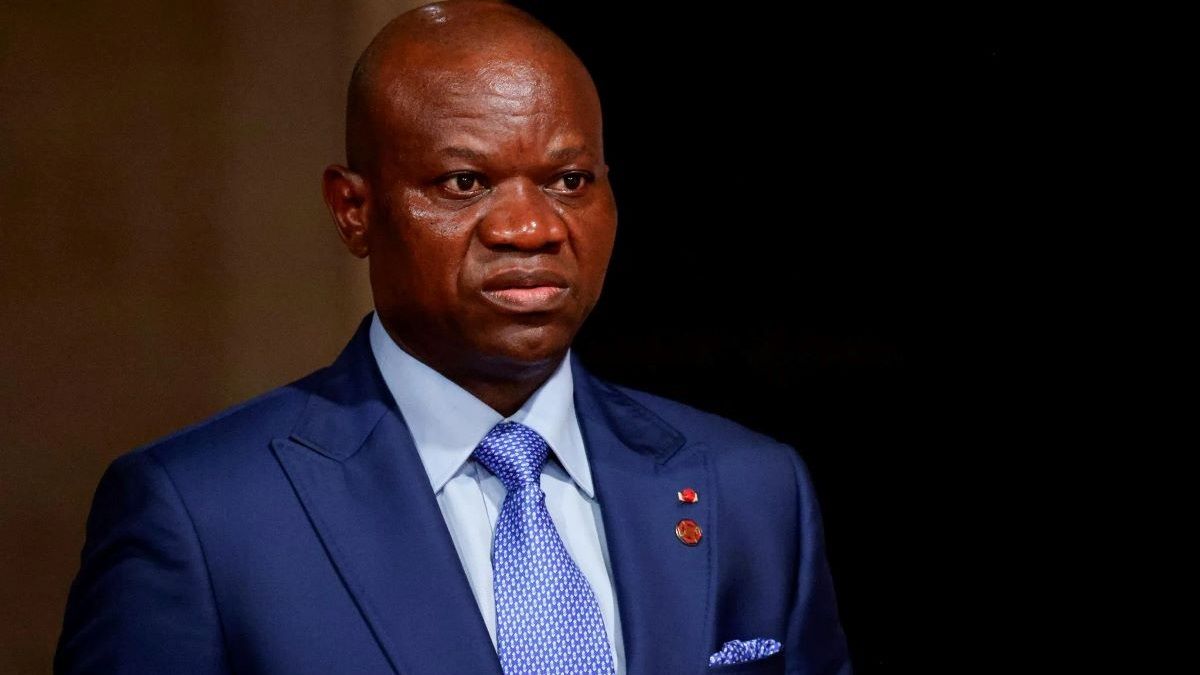
As such, the changes contribute to improving the credibility of public finances under Finance Minister Thierry Minko since his appointment in January.
The country’s planned capex remains very high and is the main driver of a still-wide fiscal deficit. Capex in the revised budget law will amount to 8.5% of Fitch-projected GDP, below 11% in 2025, but well above the average of 2.7% in 2020-2024.
Ratings analysts explained that Gabon’s fiscal deficit would be around 6.7% of GDP, up from 6.0% in the original law.
However, provisional data for 1H26 show capital spending execution of just 23% relative to the revised budget target, contributing to a deficit of just 3% of GDP in the period and potentially pointing to a smaller full-year deficit than in the revised budget.
The financing plan in the revised budget is much more reliant on external commercial borrowing. It includes a USD1 billion commercial loan from Trafigura announced in April and adds an expected USD1.5 billion in Eurobond issuances.
Disbursements from the official sector have been lowered by 96%. In July 2026, Gabon completed a USD920 million private placement with a yield of around 12.6%. Increased reliance on expensive external commercial sources could pose challenges to government debt sustainability.
Domestic financing needs are also high, with amortisations estimated at 11.6% of GDP in 2026.
Ratings analysts think domestic borrowing will be rolled over, but constraints in the regional CEMAC bond market will prevent it from being a meaningful source of new net funding.
Gabon plans to use around half of the proceeds from the recent external private placement to clear part of its external arrears, including part of its arrears to multilateral and bilateral creditors.
Total external arrears at end-1H26 were USD761 million, of which USD160 million is to multilateral lenders and USD319 million to bilateral lenders. Clearing arrears to the official sector would help negotiations with the IMF.
“Our estimate that government debt rose to 81.1% of GDP in 2025 incorporates our estimate of arrears at 13% of GDP at end-2025. Most of our estimated stock of arrears is to domestic suppliers of goods and services to the government (above-the-line)”.
Ratings analysts said this stock of government arrears could be revised following the Finance Ministry’s public debt audit, which the authorities had expected to complete in July.
Fitch believes the outcome of the audit will be central to negotiations with the IMF as it will establish the government debt level and the starting point for any debt sustainability analysis.
The rating note noted the challenges presented by Gabon’s significant financing needs and limited sources of financing at its latest sovereign rating review in May.
Significantly higher local-currency funding needs and greater strains in local-currency financing conditions are reflected in the differential between Gabon’s ‘CC’ Local-Currency and ‘CCC-’ Foreign-Currency Long-Term Issuer Default Ratings. #Gabon’s Revised 2026 Budget Leaves Deficit High, Financing Uncertain -Fitch# Gabon Yet to Request IMF Financing Programme Ahead of Visit
