

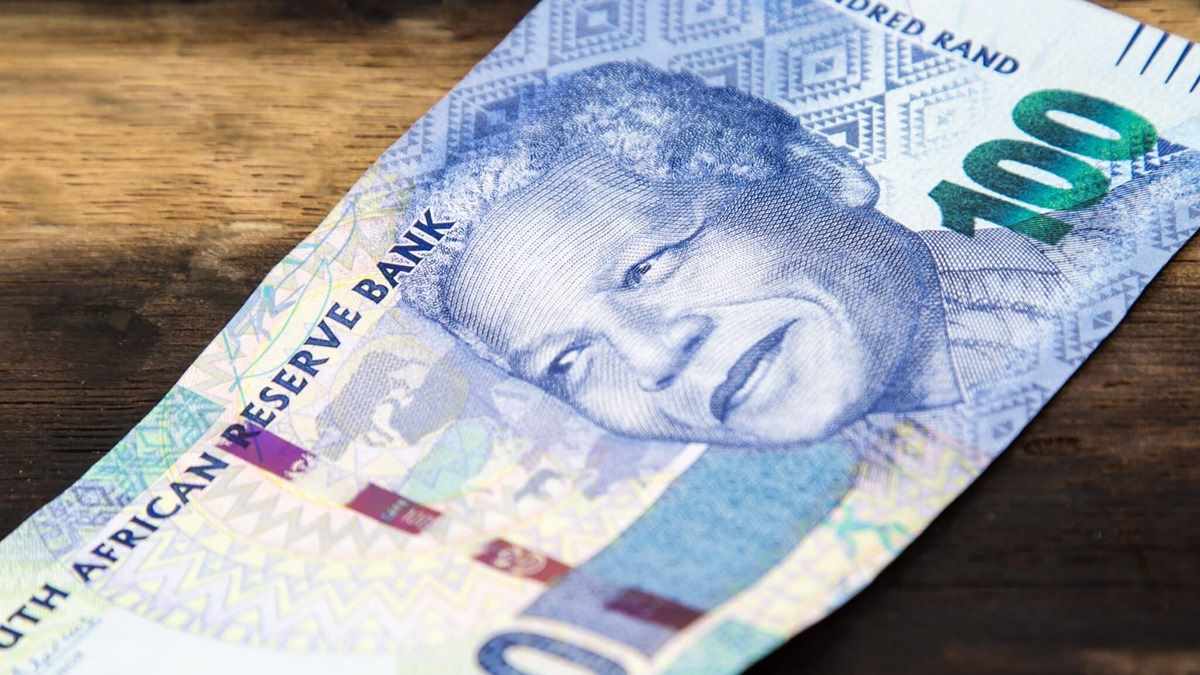
South African Rand Strengthens Ahead of Inflation
South African local currency unit, the rand, strengthened against crosses – the US dollar, the European single currency and the British pound ahead of inflation data.
In April, inflation surged to 4% due to geopolitical instability that raised energy costs. This was followed by a 25-basis-point policy rate hike by the South African Reserve Bank (SARB) to anchor rising costs.
On Wednesday, the rand strengthened further, trading at R16.18 to the US dollar, R18.79 to the euro, and R21.72 to the British pound, building on the previous day’s close, according to First National Bank.
The Bank said the primary driver remains the US-Iran peace deal, which has eased fears of oil-driven inflation and boosted broad emerging-market risk appetite.
Domestically, reduced expectations of a South African Reserve Bank rate hike and the Fitch sovereign upgrade continue to provide structural support.
Oil prices reduced sharply following an interim deal between the US and Iran.
Brent crude has fallen sharply to around $78.79 per barrel, well below Monday’s close of $83.17 per barrel, as markets continue to price in the reopening of the Strait of Hormuz following the US-Iran interim peace deal.
Trump said the strait would be fully open by Friday, though senior US officials cautioned it could take more than two weeks to restore normal shipping operations.
Gold has edged higher to around $4 328 per ounce, as the metal also continues to benefit from the US-Iran peace deal, which reduced expectations of aggressive Fed rate hikes.
The formal signing of the deal, expected on Friday in Switzerland, keeps near-term sentiment constructive, though some caution remains around the deal’s durability. The market anticipates South Africa’s inflation figures for June, along with retail sales data. South African Rand Firmer as ‘Peace Deal’ Shifts Market Sentiment
