

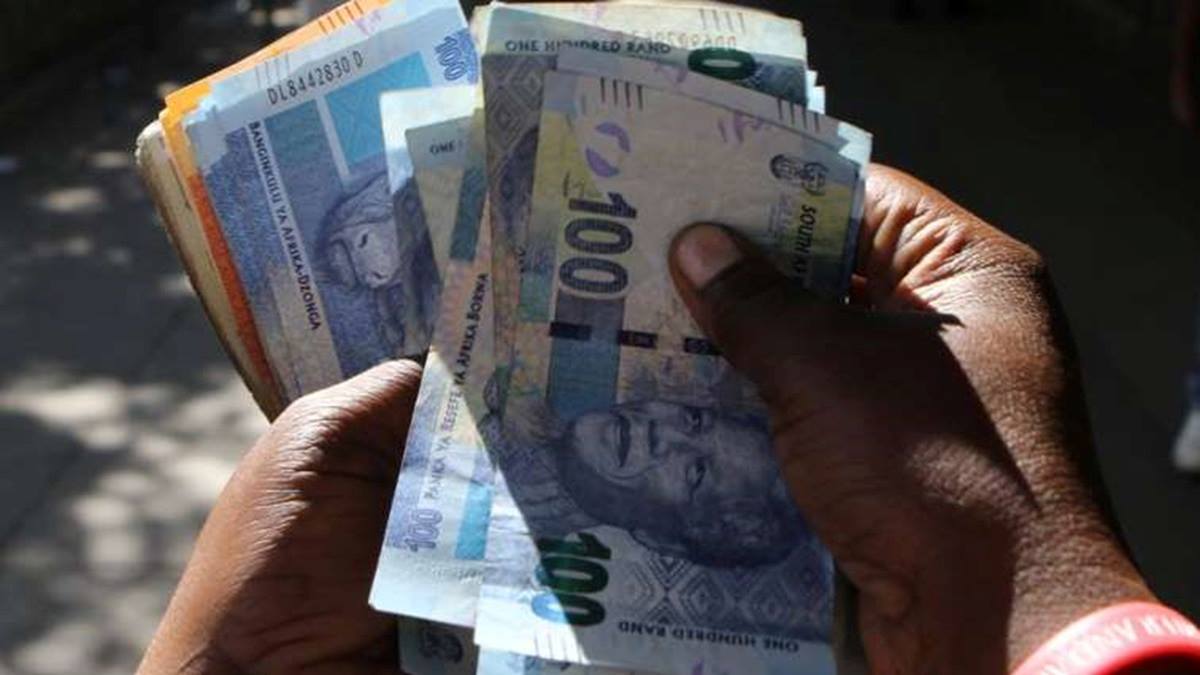
South African Rand Softens as Markets Digest US Economic Data
The rand is trading slightly weaker this morning as signs of resilience in the US economy reinforced expectations that US interest rates may remain higher for longer.
The local unit sold off as investors digested fresh US economic data showing retail sales rose as expected in June, ultimately improving market sentiment.
US retail sales rose a modest 0.2% month-on-month (m/m) to $768.6 billion in June, in line with expectations, although the pace slowed noticeably from May’s upwardly revised 1.0% increase.
On an annual basis, retail sales were still 6.7% higher than a year ago, suggesting that household demand continues to provide support for the broader economy even as growth cools from earlier highs.
A closer look at the data reveals that the slow headline growth was largely driven by lower energy prices rather than a deterioration in consumer demand.
Sales at gasoline stations fell 5.3% m/m, mirroring the sharp decline in fuel prices that also contributed to the recent easing in US inflation. Excluding this drag, underlying spending trends remained healthy, with core retail sales rising 0.7% m/m.
Consumers appeared to redirect savings from lower fuel costs toward discretionary purchases, with gains in clothing and accessories, online retail and motor vehicle sales highlighting a continued willingness to spend selectively.
Market analysts at First National Bank (FNB) said in a brief on Thursday that these developments have supported the US dollar and weighed on emerging-market currencies such as the rand.
The South African rand is changing hands at R16.47 to the US dollar, R18.84 to the euro and R22.16 to the British pound during trading hours on Friday, according to the FNB note.
The commodity market continues to signal that inflation pressures will persist in the absence of a peace deal between the United States and Iran, following a series of failed attempts.
Oil prices surged after Washington and Tehran renewed assaults, taking the deal off the table. At the last look, oil prices are trading slightly higher as escalating tensions between the US and Iran continue to raise concerns about global energy supplies.
Ongoing attacks on shipping, lower traffic through the Strait of Hormuz, and growing fears that the conflict could spread to key export routes in the Red Sea have heightened concerns about potential supply disruptions. Brent crude oil has topped US$85.11/barrel, and US WTI is hovering around $79-$80 per barrel.
Also, the gold price is trading marginally lower this morning as investors continue to assess ongoing tensions between the US and Iran.
Rising oil prices continue to worry traders as inflationary pressures could persist, reinforcing expectations that US interest rates may remain higher for longer. This has supported the US dollar and limited gains in gold. Gold is trading at US$ 3,986 per ounce. Nigeria’s Headline Inflation Declines to 15.91% in June
