

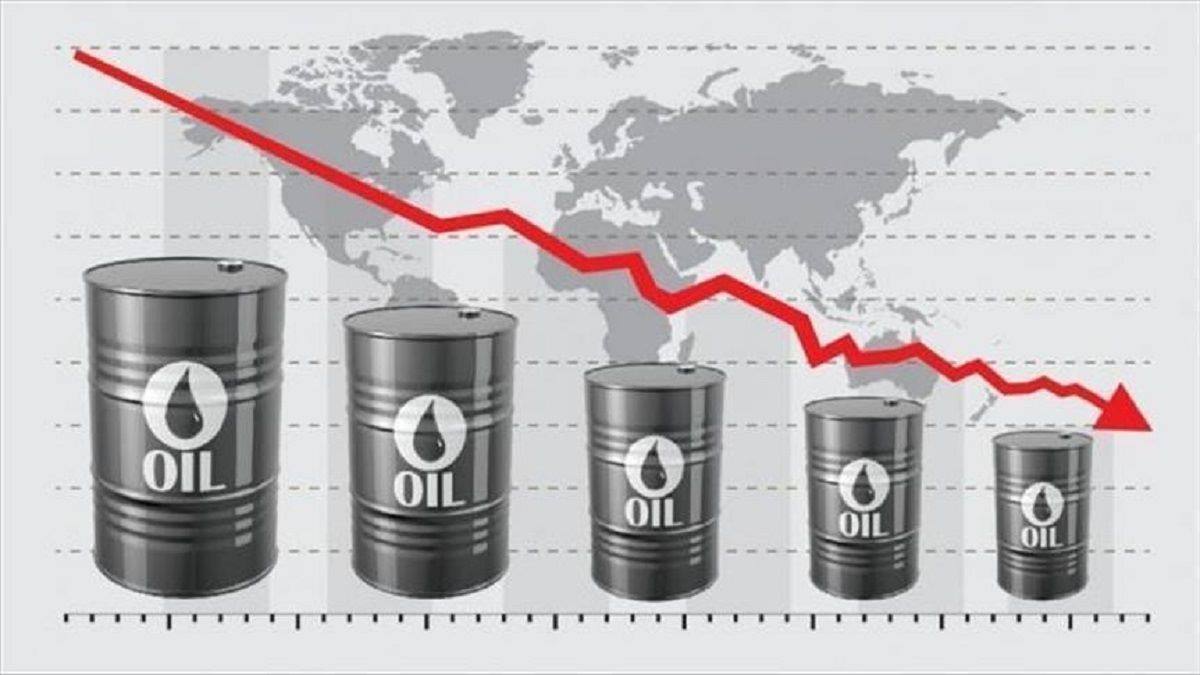
Oil Prices Dip on Fed Rates Uncertainty, Canada Tariff Retaliation
Oil prices fell on Monday as escalating economic tensions between the US and Iran, renewed US-Canada trade friction, and uncertainty over the Federal Reserve’s (Fed) monetary policy outlook weighed on market sentiment.
International benchmark Brent crude futures for November delivery traded at $91.09 per barrel, down 0.5% from the previous close of $91.59.
US benchmark West Texas Intermediate (WTI) crude futures for October delivery traded at $85.22 per barrel, down 0.9% from $86.02.
Uncertainty surrounding US-Iran relations remains a key driver in oil markets as planned US economic sanctions against Tehran add to tensions, with diplomatic efforts yet to yield a concrete breakthrough.
US Treasury Secretary Scott Bessent is due to announce new economic measures against Iran later Monday as Washington steps up efforts to further isolate Tehran financially and commercially.
Bessent described the planned campaign as an “economic D-Day,” saying Washington aims to sever Iran’s remaining economic lifelines.
US President Donald Trump has also threatened what he called the “most crushing economic operation ever taken against any country,” warning of severe penalties for countries helping Tehran circumvent US sanctions.
Tehran rejected the pressure and warned of retaliation against countries supporting Washington’s economic campaign.
The Islamic Revolutionary Guard Corps said Iran has ways “to counter the adverse effects of the enemy’s war” and can “easily establish economic relations with countries,” according to Iranian state media.
Meanwhile, renewed trade tensions between the US and Canada weighed on broader market sentiment after Ottawa rejected Washington’s proposed trade terms and suspended negotiations.
Canadian Prime Minister Mark Carney described last-minute US demands as “unfair” and “uneconomic” and said Canada would impose dollar-for-dollar retaliatory tariffs from Sept. 8.
Concerns over escalating trade tensions and reciprocal tariffs are putting downward pressure on oil prices, as they could slow economic growth and weigh on energy demand in the short term while potentially triggering a new trade war over the longer term.
Adding to uncertainty over the key oil transit route, the Iranian parliament’s National Security and Foreign Policy Committee on Sunday approved a provision in a draft law allowing Tehran to charge ships passing through the Strait of Hormuz.
The provision allows Iran to collect fees for navigation, environmental, fuel, insurance and security services from vessels belonging to countries permitted to pass through the strait, according to Iranian state media.
The move signals that Tehran could allow authorized vessels to transit the key waterway, easing concerns over a complete disruption to oil flows and putting downward pressure on prices.
Current money-market pricing points to the possibility of one more Fed rate hike by year-end. Higher interest rates could weigh on economic activity and energy demand while strengthening the US dollar, putting additional downward pressure on oil prices.
Against this backdrop, investors are awaiting Fed Chair Kevin Warsh’s remarks at the Jackson Hole Economic Policy Symposium on Friday for further signals on the direction of monetary policy.
Attention this week also turns to US economic growth data and the personal consumption expenditures (PCE) price index, the Fed’s preferred inflation gauge, for further clues on the strength of the economy and inflation trajectory.
The data could shape expectations for the Fed’s interest-rate path and, in turn, the outlook for oil demand. Oil Jumps, Brent Tops $91 as US Rules Out Iran Truce Extension
