

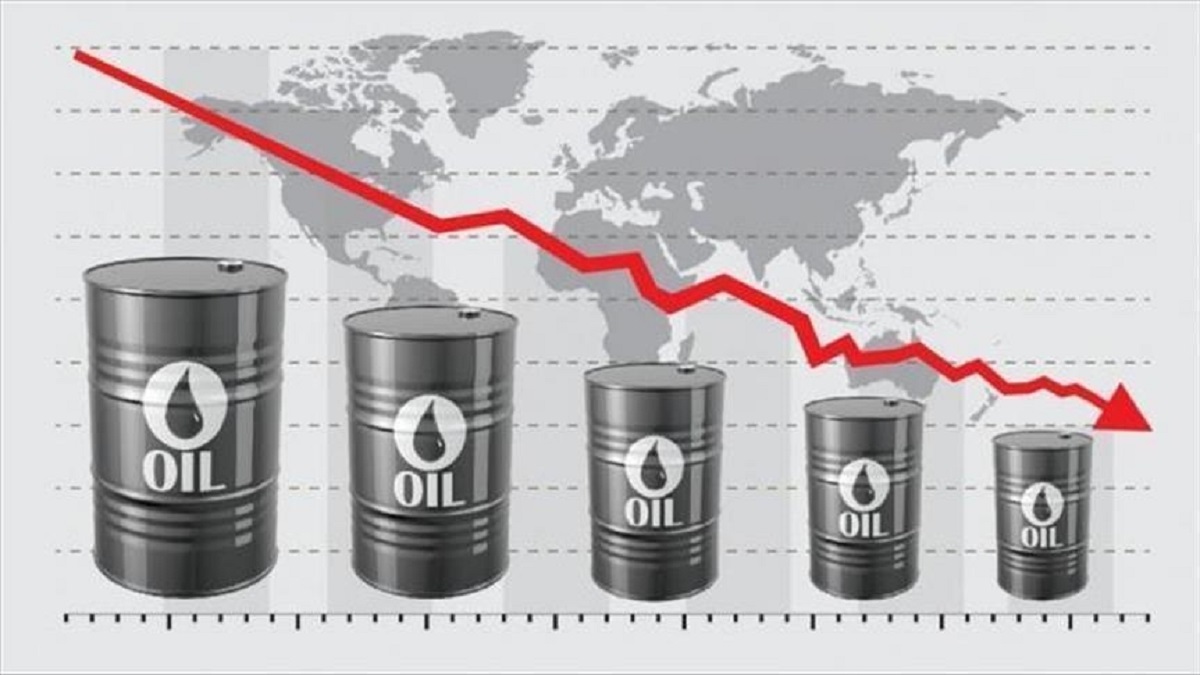
Oil Prices Decline over Demand Concerns
Prices of crude oil slid moderately on Monday as investors weighed the impacts of unsettled tension in the Middle East. Stakeholders in the region are increasingly supporting cease-fire while Israel continues its attack on Gaza.
Brent price slumped to $90.70 per barrel, losing a0.21% when compared with the closing price of $90.89 a barrel in the previous trading session on Friday. The American benchmark West Texas Intermediate (WTI) traded at the same time at $86.28 per barrel, down 0.08% from Friday’s close of $86.35 per barrel.
The recent price action in oil suggests that the market remains nervous over the ongoing conflict between Israel and Hamas, according to ING commodities strategists Warren Patterson and Ewa Manthey.
The uncertainty has also provided a boost to gold with growing demand for safe-haven assets Market players are trying to assess the possible spillover of the conflict to other countries and its impacts on the crude oil supply routes as Israel gears up for a significant move into Gaza in response to Hamas’s attack.
Iran’s threats against Israel and the US are raising risks in the oil markets by jeopardizing a favourable outcome in the US-Iran nuclear deal, which would lift sanctions on Iran, including Iranian oil exports.
The US and Iran have been negotiating since 2015, when former US President Donald Trump walked away from a nuclear deal that prohibited Iran from producing highly enriched uranium or plutonium that might be used in a nuclear weapon.
The oil market saw quite a move on Friday as Brent settled 5.69% higher, taking the front-month contract back above US$90 per barrel – to its highest since early October.
Uncertainty and concern over the escalation of the Israel-Hamas war continue to support the oil market. In recent days, Iran has warned about the risk of a wider conflict, while there are reports that Saudi Arabia has frozen talks to normalize relations with Israel.
Providing a further boost to the oil market was the US Treasury imposing sanctions on two companies who apparently shipped Russian oil above the US$60/bbl G-7 price cap while using US-based shipping services.
“This is the first time we have seen the G-7 price cap enforced, which will raise fears that it will become more difficult to ship Russian oil and tighten the market up further”, ING commodities strategists said in the note.
The US will be careful about enforcing the cap too strongly, particularly given the growing tension in the Middle East. Despite recent developments in the oil market, speculators remain reluctant to jump into the market.
The latest positioning data shows that speculators reduced their net long in ICE Brent by 65,161 lots over the last reporting week to 153,174 lots as of last Tuesday. This move was largely driven by longs liquidating.
The last week also saw a bit more activity from US oil drillers with the US oil rig count increasing by 4 last week to 501. While only a modest increase, it is still the largest weekly increase since March.
Rig count changes in the weeks ahead will need watching because if this continues, it will suggest that US producers could be relaxing the capital discipline we have seen from them in recent years amid the higher price environment.
China released its first batch of September trade data on Friday, which showed that crude oil imports averaged around 11.17MMbbls/d over the month, down 11% month on month but still up 14% year on year.
This leaves cumulative imports over the first nine months of the year at 11.39MMbbls/d, up 14.5% year on year. ING stated that the market will obviously continue to follow closely how the Israel-Hamas situation evolves.
While for natural gas markets, workers in Australia are set to resume strike action at Chevron’s Gorgon and Wheatstone LNG facilities on Thursday if involved parties cannot resolve their differences in final negotiations. #Oil Prices Decline over Demand Concerns
