

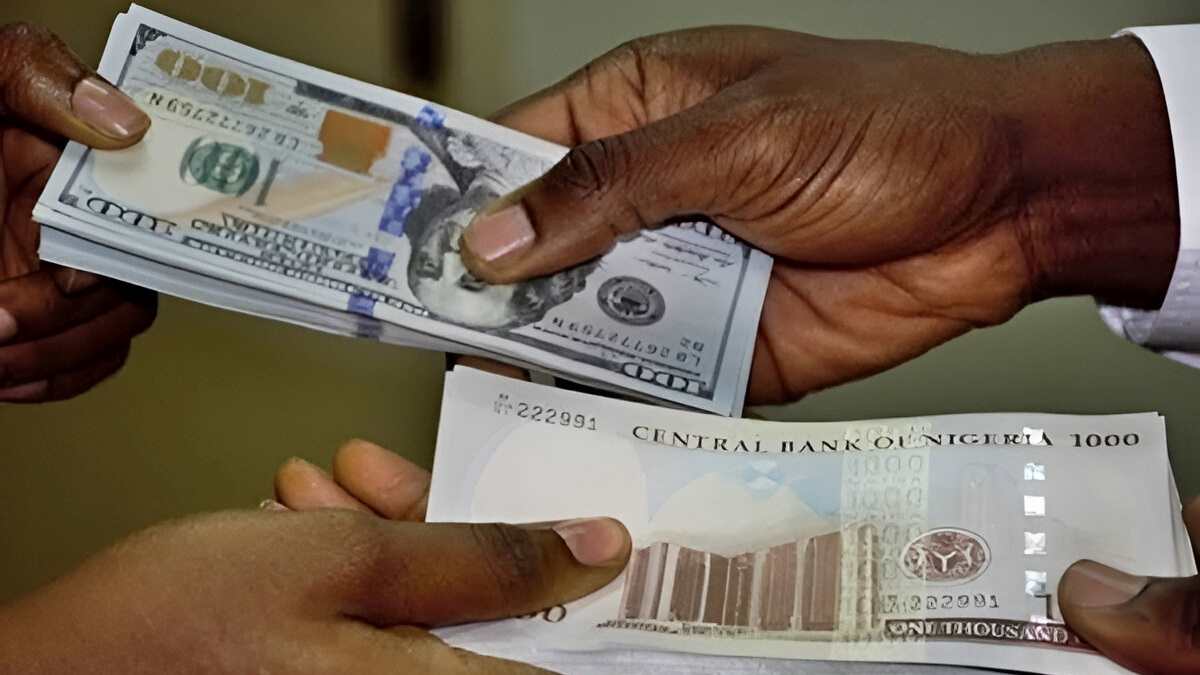
Nigerian Naira Rallies, Official Exchange Rate Closes at N1367
The Nigerian naira extends momentum against the US dollar for the fourth day as daily FX data showed the official rate strengthened to N1367 on Thursday from N1369 the previous day.
Reflecting improved US dollar liquidity at the Nigerian foreign exchange market (NFEM), the official spot FX rate hovered between N1365 and N1370 for transactions conducted during the day.
Data released by the authority indicated that interbank FX turnover moderated to N334.126 million as the number of deals executed among financial institutions reduced.
The NFEM Interbank FX turnover shrank by approximately 20% on the day from $416.420 million reported on Wednesday by the Apex Bank. The number of deals at the interbank also reduced to 122 from 198 the previous session.
A slew of forex market traders said the problem is now whether the naira will depreciate, but how strong the local unit will rally. The Central Bank buffer has been strengthened with sustained foreign portfolio inflows and robust foreign reserves, analysts told MarketForces Africa.
Broadstreet analysts hinted that apart from intermittent price swings, the naira has been given wings to fly after Nigeria cleared forex market hurdles with FX reforms and settlement of all backlogs.
Strong external reserves standing above $52 billion and rising global oil prices make bullish cash for the naira in the second half of 2026.
Oil prices hit $100 a barrel for the first time since May as the escalating conflict in the Middle East reignited fears over global energy supplies.
Brent crude – the global benchmark for oil prices – rose more than 6% on Thursday following several days of increases as the US stepped up military strikes against Iran.
Prices spiked after Houthi militia in Yemen attacked oil tankers in the Red Sea, threatening a key export route that Saudi Arabia has used to bypass the Strait of Hormuz.
Gas prices have also risen steadily over the past month, with the benchmark UK gas price currently at around 150 per therm, up from around 98p at the end of June.
Oil prices had been falling following a temporary ceasefire between the US and Iran. They dropped back to levels last seen before the US and Israel began military action against Iran on 28 February.
However, the ceasefire has failed and this week US Secretary of State Marco Rubio said the people in charge in Iran were “not ready to make a deal”.
The ongoing conflict risks pushing up inflation for many countries, including UK and the US leading to higher prices for consumers. Higher oil prices typically lead to petrol and diesel becoming more expensive.
While drivers are affected directly, households could also see prices of other goods, such as food, increase due to businesses passing on higher transportation costs to customers. Naira Rises as Interbank FX Turnover Hits $416m, Deals Surge
