
Close Menu
MarketForces AfricaMarketForces Africa
    What's Hot

    Naira Appreciates to N1,356 as Foreign Reserves Reach 2009 High

    June 15, 2026

    Nigerian Exchange Index Sinks as Investors Lose N984bn

    June 15, 2026

    Bitcoin Price Tops $67k as Investors Return to Positions

    June 15, 2026
    Facebook X (Twitter) Instagram
    Trending
    • Naira Appreciates to N1,356 as Foreign Reserves Reach 2009 High
    • Nigerian Exchange Index Sinks as Investors Lose N984bn
    • Bitcoin Price Tops $67k as Investors Return to Positions
    • Zcash Soars by 25% as Emergency Security Fix Boosts Optimism
    • Inflation, Interest Rate Headwinds Weigh on Midyear US Credit Outlooks
    • Nairobi Securities Exchange Climbs on Automobile, Telecom Stocks Rally
    • Nigeria’s Headline Inflation Rate Climbs to 15.93% in May
    • Ethereum Gains 9% as Bitmine Immersion Tech. Boosts Holdings
    • Home
    • About Us
    Facebook X (Twitter) Instagram LinkedIn WhatsApp TikTok Telegram
    MarketForces AfricaMarketForces Africa
    Subscribe
    Monday, June 15
    • Home
    • News
    • Analysis
    • Economy
    • Mobile Banking
    • Entrepreneurship
    MarketForces AfricaMarketForces Africa
    MarketForces Africa » Economy » ‘FG Revenue to Remain Vulnerable to Oil Shock without Diversification Efforts’

    ‘FG Revenue to Remain Vulnerable to Oil Shock without Diversification Efforts’

    Marketforces AfricaBy Marketforces AfricaJanuary 6, 2021Updated:February 11, 2026 Economy No Comments3 Mins Read
    'FG Revenue to Remain Vulnerable to Oil Shock without Diversification Efforts'
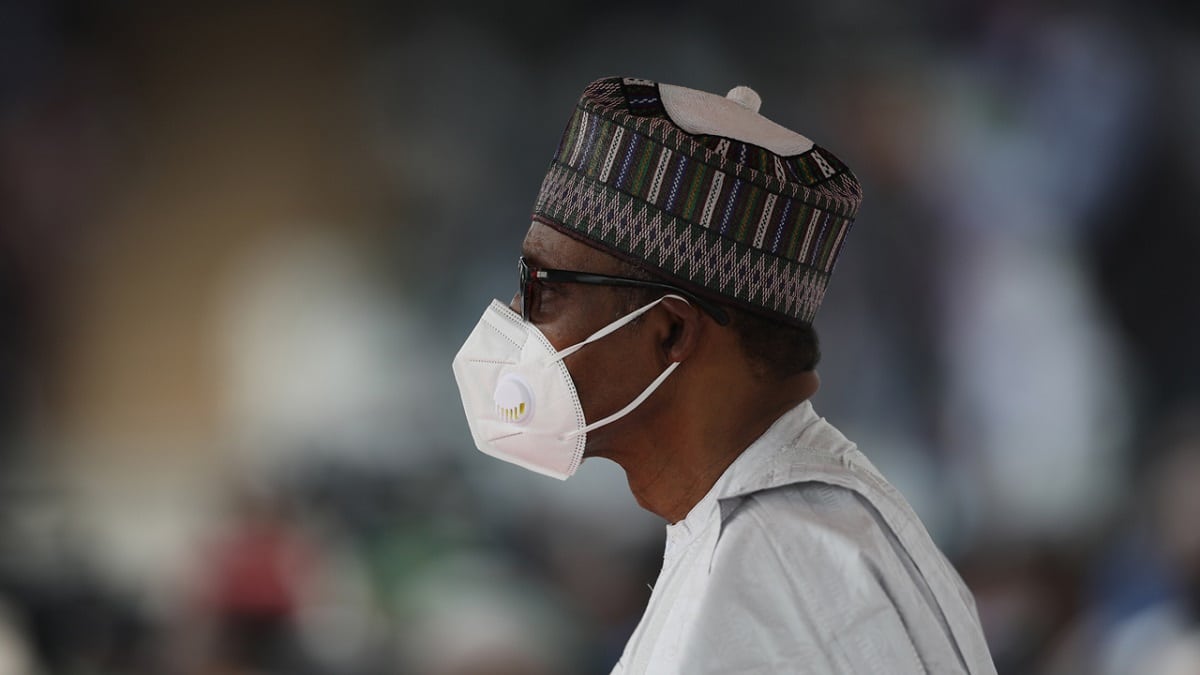
    President Muhammadu Buhari
    Share
    Facebook Twitter LinkedIn Pinterest Email Tumblr Reddit Telegram WhatsApp Copy Link

    ‘FG Revenue to Remain Vulnerable to Oil Shock without Diversification Efforts’

    The Federal Government revenue is expected to remain vulnerable to oil shock without intentional diversification efforts, analysts hinted as Oil Cartel made adjustment to oil supply for first quarter in 2021.

    With significant chunk of foreign earnings coming from oil exports, Nigeria’s economy remain driven largely by petrol-dollar.

    As a result, shock in the global oil price as well as oil cartel supply cut have always impact the domestic economic performance as non-oil contribution stands low.

    Tuesday marked the end of a two-day heated meeting between the Organization of Petroleum Exporting Countries (OPEC) and its allies on oil production cuts for the first quarter of 2021.

    After serious deliberations, the group and its allies reached an agreement to reduce the production cut to 7.2 million barrels per day (mb/d) in January, 7.13mb/d in February and 7.05mb/d in March.

    This translated to an average of 7.13mb/d for the first three months compared with 7.7mbpd as of December.

    Analysts at CSL Stockbrokers said this decision was made to ensure stability in the global oil market on the back of the new variant of the virus which has resulted in renewed lockdowns and restrictions being put in place by many countries.

    Nigeria, being an oil producing country, takes a share of the oil production cut at about 0.31mbd for Q1-2021.

    According to CSL Stockbrokers, any production cut, even a milder cut does not bode well for the Nigerian economy given how significant oil revenue is to its economic stability.

    “We recall that in April 2020, the OPEC+ cartel agreed historic production cuts aimed at stemming the downward pressure on oil prices by curtailing the indiscriminate production and supply of crude into the market”, the firm stated.

    It said an unprecedented deal of oil production cut close to 15.0mb/d was agreed between the alliance of OPEC+ producers, G-20 energy ministers and other oil producers.

    As part of these agreement, analysts recalled that Nigeria’s production quota was slashed lower to 1.4mbd from 1.7mb/d.

    “This deal resulted in severe pressure on the economy in light of weak fiscal buffer and frail external conditions faced by the country”, CSL Stockbrokers explained.

    That said, oil prices, despite some decent recovery, remain well below pre-pandemic levels and is expected to remain below pre-pandemic levels in 2021 until nations begin to see the effectiveness of vaccines which should aid oil price recovery.

    “The newly agreed cuts would see Nigeria’s oil production quota up slightly to 1.52mb/d from 1.47mb/d as of November 2020.

    “We reiterate that without intentional diversification efforts being made by policy makers, the country’s revenue will remain vulnerable to shocks in the international crude oil market”, CSL Stockbrokers stated.  

    Read Also: “Nigeria pays more on Eurobond than other African countries”

    ‘FG Revenue to Remain Vulnerable to Oil Shock without Diversification Efforts’

    CSL Stockbrokers Limited
    Share. Facebook Twitter Pinterest LinkedIn Tumblr Email
    Marketforces Africa
    • Website
    • Facebook
    • X (Twitter)
    • Instagram
    • LinkedIn

    MarketForces Africa, a Financial News Media Platform for Strategic Opinions about Economic Policies, Strategy & Corporate Analysis from today's Leading Professionals, Equity Analysts, Research Experts, Industrialists and, Entrepreneurs on the Risk and Opportunities Surrounding Industry Shaping Businesses and Ideas.

    Keep Reading

    Nigeria’s Headline Inflation Rate Climbs to 15.93% in May

    CBN to Open N1trn Worth of Treasury Bills for Subscription

    Sell Pressure Hits Nigerian Bonds, Yield Rises to 16.70%

    Investors Maintain Bearish Pose on T-Bills Ahead of Inflation

    Reforms Restoring Stability, Investor Confidence – Tinubu

    AfDB Commits $86m to Agro-Processing Zones Project

    Add A Comment

    Comments are closed.

    Editors Picks

    Naira Appreciates to N1,356 as Foreign Reserves Reach 2009 High

    June 15, 2026

    Nigerian Exchange Index Sinks as Investors Lose N984bn

    June 15, 2026

    Bitcoin Price Tops $67k as Investors Return to Positions

    June 15, 2026

    Zcash Soars by 25% as Emergency Security Fix Boosts Optimism

    June 15, 2026

    Inflation, Interest Rate Headwinds Weigh on Midyear US Credit Outlooks

    June 15, 2026
    Latest Posts

    Nigeria’s Headline Inflation Rate Climbs to 15.93% in May

    June 15, 2026

    CBN to Open N1trn Worth of Treasury Bills for Subscription

    June 15, 2026

    Sell Pressure Hits Nigerian Bonds, Yield Rises to 16.70%

    June 15, 2026

    Investors Maintain Bearish Pose on T-Bills Ahead of Inflation

    June 15, 2026

    Reforms Restoring Stability, Investor Confidence – Tinubu

    June 12, 2026

    Subscribe to News

    Get the latest sports news from Dmarketforces Africa about finance, business and tech.

    Advertisement
    Facebook X (Twitter) Pinterest Vimeo WhatsApp TikTok Instagram

    News

    • World
    • Politics
    • Economy
    • Business
    • Opinions
    • Fintech
    • Science & Technology

    Company

    • About us
    • Advertising
    • Classified Ads
    • Contact Info
    • Editorial Policy

    Services

    • Subscriptions
    • Research
    • Due Diligence
    • Newsletters
    • Sponsored News
    • Work With Us

    Subscribe to Updates

    Subscribe to updates from MarketForces Africa, an independent financial news service provider.

    © 2026 MarketForces Africa. All rights reserved.
    • Privacy Policy
    • Terms
    • Accessibility

    Type above and press Enter to search. Press Esc to cancel.