
Close Menu
MarketForces AfricaMarketForces Africa
    What's Hot

    AXA Mansard Slides to N99 Billion, 41% Below 52-Week High

    October 19, 2026

    FirstHoldco Downtrend Extends over Weak Buying Conviction

    October 19, 2026

    Banking System Surplus Liquidity Tops N6trn Ahead of Huge Inflows

    October 18, 2026
    Facebook X (Twitter) Instagram
    Trending
    • AXA Mansard Slides to N99 Billion, 41% Below 52-Week High
    • FirstHoldco Downtrend Extends over Weak Buying Conviction
    • Banking System Surplus Liquidity Tops N6trn Ahead of Huge Inflows
    • DMO to Open N1.75trn Nigerian Govt. Bonds for Subscription
    • XRP Falls to $1.26 as Investors React to Ripple Payments Crash
    • Naira Falls Against US Dollar, NFEM Rate Closed at NGN1332
    • Quack AI Soars 48%, Volume Spikes on Intense Spot Buying
    • Hedera Price Rises 7% on Retail Investors Buying Actions
    • Home
    • About Us
    Facebook X (Twitter) Instagram LinkedIn WhatsApp TikTok Telegram
    MarketForces AfricaMarketForces Africa
    Subscribe
    Monday, October 19
    • Home
    • News
    • Analysis
    • Economy
    • Mobile Banking
    • Entrepreneurship
    MarketForces AfricaMarketForces Africa
    MarketForces Africa » MarketForces News » Exchange Rate: CBN Expects Pressure on Naira to Subside in Q3-2023

    Exchange Rate: CBN Expects Pressure on Naira to Subside in Q3-2023

    Julius AlagbeBy Julius AlagbeJuly 25, 2022Updated:October 17, 2026 News No Comments5 Mins Read
    Exchange Rate: CBN Expects Pressure on Naira to Subside in Q3-2023
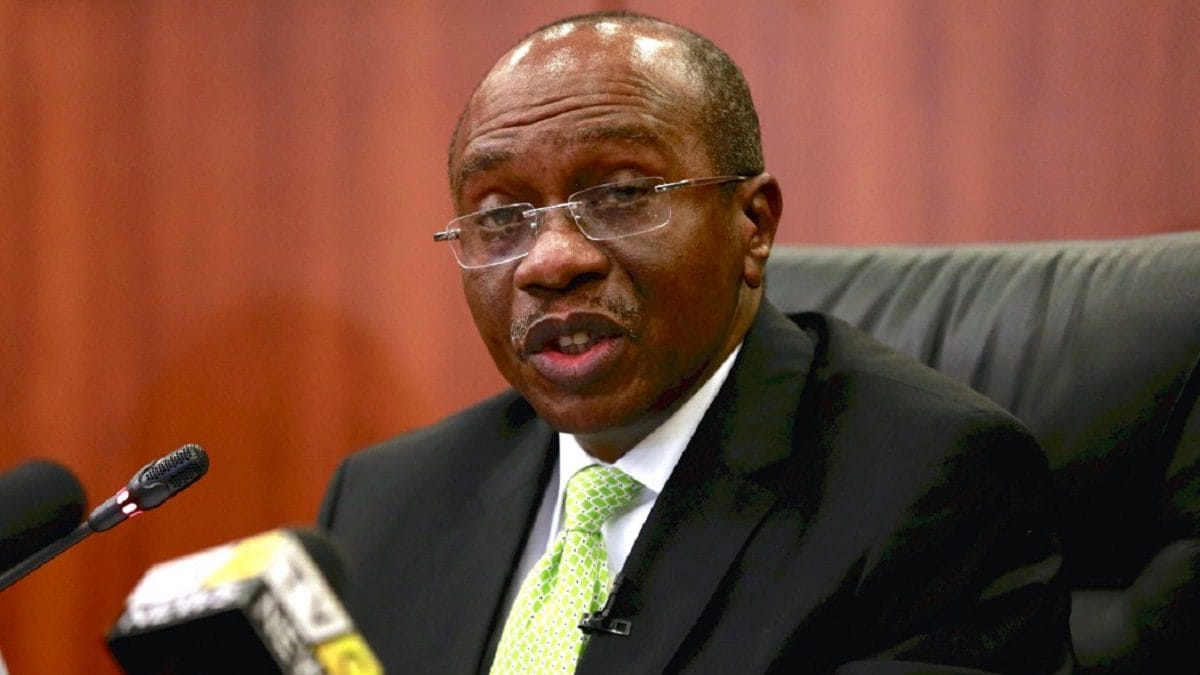
    Godwin Emefiele, CBN Governor
    Share
    Facebook Twitter LinkedIn Pinterest Email Tumblr Reddit Telegram WhatsApp Copy Link

    Exchange Rate: CBN Expects Pressure on Naira to Subside in Q3-2023

    The Central Bank of Nigeria (CBN) expects the renewed pressure in the foreign exchange (FX) market and the accompanying depreciation of the naira to subside from the third quarter of 2023, according to the medium-term expenditure and fiscal strategy paper of Nigeria’s finance ministry.

    The naira has been declining across foreign exchange markets due to higher demand and lower supply, disrupting the currency’s equilibrium spot price.

    At the official window, the naira traded above N430 to a United States (US) dollar after a large currency depreciation not due to outright repricing by the monetary authority – market forces find a weaker value for the exchange rate.

    According to the report, Nigeria continues to face risk aversion in global capital markets. It stated further that the development will put additional pressure on foreign exchange markets, noting that foreign investors have yet to return to Nigeria’s market.

    The finance ministry report affirmed the stock market position that local investors, both institutional and retail, have become the dominant force driving transactions in the local bourse – a pattern spotted since the beginning of the year.

    In the fixed-income market, the CBN premium on spot pricing has been used to attract foreign interest into open market operations (OMO Bills); yet inflows have been minimal.

    The Nigerian economy has sustained recovery from the previous recession triggered by the COVID-19 outbreak for the fifth consecutive quarter, growing by 3.11% in the first three months of 2022.

    The report agrees that Nigerians, like many other economies in developed, emerging, and frontier markets, face lingering effects of the COVID-19 pandemic. The pressure has also been fuelled by higher global food prices and fuel prices amidst the Russia-Ukraine war.

    Rising oil prices have become another burden for the Nigerian government, leading to higher subsidy payments. Landing costs of crude have persistently outpaced regulated fuel pump prices.

    While pump prices have risen above N165 per litre, the Nigerian government has failed to officially inform citizens that fuel prices have been adjusted. The pump price of premium motor spirit, or petrol, has been adjusted to N175 at filling stations by major marketers, while some are selling above this level.

    Other hydrocarbon prices have increased, including diesel, Jet A1, and kerosene. Airline operators have also reacted to rising costs of maintenance and the purchase of Jet A1 by increasing local flight ticket prices.

    Analysts said the development, a fresh market dynamic, will drive Nigeria’s headline inflation rate upward in the second half of 2022. In June, Nigeria’s inflation rate worsened to five years high at 18.60% from 17.71% in May, according to the National Bureau of Statistics.

    The federal government is now projecting a higher inflation rate for the fiscal year 2023. The policy authority said inflation will average 17.16%, up from the revised average of 16.11% for the current year.

    Nigeria’s worsening inflation rate aligns with the global trend, as the United States experienced its highest inflation rate in 41 years, at 9.10%. READ: Nigerian Economy Scores ‘Highs’ and ‘Lows’ in Fresh Rating

    The galloping inflationary conditions have forced central bankers around the world to adopt a hawkish stance on monetary policy rates. The Central Bank of Nigeria has also joined the league of economies willing to fight red-hot inflation with interest rate hikes.

    “Upward pressures on prices are expected to be driven by the current and lag effects of global price surge due to the Russia-Ukraine war, domestic insecurity, rising costs of imports, exchange rate depreciation as well as other supply-side constraints”, the report said.

    Recall that in less than three months, Nigeria has raised its benchmark interest rate twice. In May, after 2 years of dovish stance, the monetary policy committee of the CBN increased the interest rate by 150 basis points, from 11.5% to 13%.

    Just in July, another 100 basis points interest rate hike was booked by the CBN, thus taking the monetary policy rate to 14% to make the Nigerian economy competitive for hot monies.

    The fiscal strategy report said that up to the second quarter of 2022, the exchange rate, inflation and gross domestic growth rate varied adversely from targets. The nation’s external reserves have steadied at about $40 billion in the first half of 2022.

    This was driven by a $1.25 billion Eurobond raised by Nigeria’s Debt Management Office (DMO) in the first quarter of the year, while oil inflow contributions have been unimpressive.

    In the first four months of the year, the finance ministry hinted in its report that the average crude oil price exceeded the budgeted benchmark price of $73 used to prepare the spending plan for the year.

    However, the report said higher oil prices recorded in the period were offset by the Nigerian government’s inability to produce the volume allocated by the oil group and allies, OPEC+. 

    With the crude oil market expected to remain stable, Nigeria is estimated to spend N6.72 trillion on petrol subsidies in 2023 if the Nigerian government maintains the subsidy.

    # Exchange Rate: Nigeria Expects Pressure on Naira to Subside in Q3-2023

    CBN
    Share. Facebook Twitter Pinterest LinkedIn Tumblr Email
    Julius Alagbe
    • Website
    • LinkedIn

    Julius Alagbe is a senior financial journalist and Editor at MarketForces Africa with nearly two decades of experience in finance, accounting, and economics reporting.He is one of Nigeria's most prolific financial market reporters, covering capital markets, monetary policy, corporate earnings, banking, telecoms, and macroeconomic developments across Africa.Julius has built a strong footprint reporting on Nigeria's leading corporates and financial services sector, including coverage of the Nigerian Exchange Group, Central Bank of Nigeria monetary operations, MTN Nigeria, GTCO, and major investment banking transactions.He regularly monitors the CBN’s open market operations, interbank FX markets, and equity market movements, providing readers with real-time intelligence on Nigeria’s financial landscape.His reporting draws on direct access to institutional research from firms including Moody’s Ratings, CardinalStone Securities, Fitch, and other leading African investment houses.Julius brings analytical depth and editorial rigour to every story, making complex financial data accessible to professionals, investors, and policymakers across Africa.Julius Alagbe is based in Lagos, Nigeria.

    Keep Reading

    AXA Mansard Slides to N99 Billion, 41% Below 52-Week High

    FirstHoldco Downtrend Extends over Weak Buying Conviction

    Banking System Surplus Liquidity Tops N6trn Ahead of Huge Inflows

    DMO to Open N1.75trn Nigerian Govt. Bonds for Subscription

    XRP Falls to $1.26 as Investors React to Ripple Payments Crash

    Naira Falls Against US Dollar, NFEM Rate Closed at NGN1332

    Add A Comment

    Comments are closed.

    Editors Picks

    AXA Mansard Slides to N99 Billion, 41% Below 52-Week High

    October 19, 2026

    FirstHoldco Downtrend Extends over Weak Buying Conviction

    October 19, 2026

    Banking System Surplus Liquidity Tops N6trn Ahead of Huge Inflows

    October 18, 2026

    DMO to Open N1.75trn Nigerian Govt. Bonds for Subscription

    October 18, 2026

    XRP Falls to $1.26 as Investors React to Ripple Payments Crash

    October 18, 2026
    Latest Posts

    AXA Mansard Slides to N99 Billion, 41% Below 52-Week High

    October 19, 2026

    FirstHoldco Downtrend Extends over Weak Buying Conviction

    October 19, 2026

    Banking System Surplus Liquidity Tops N6trn Ahead of Huge Inflows

    October 18, 2026

    DMO to Open N1.75trn Nigerian Govt. Bonds for Subscription

    October 18, 2026

    XRP Falls to $1.26 as Investors React to Ripple Payments Crash

    October 18, 2026

    Subscribe to News

    Get latest news from MarketForces Africa...

    Advertisement
    Facebook X (Twitter) Pinterest Vimeo WhatsApp TikTok Instagram

    News

    • World
    • Politics
    • Economy
    • Business
    • Opinions
    • Fintech
    • Science & Technology

    Company

    • About us
    • Advertising
    • Classified Ads
    • Contact Info
    • Editorial Policy

    Services

    • Subscriptions
    • Research
    • Due Diligence
    • Newsletters
    • Sponsored News
    • Work With Us

    Subscribe to Updates

    Subscribe to updates from MarketForces Africa, an independent financial news service provider.

    © 2026 MarketForces Africa. All rights reserved.
    • Privacy Policy
    • Terms
    • Accessibility

    Type above and press Enter to search. Press Esc to cancel.