
Close Menu
MarketForces AfricaMarketForces Africa
    What's Hot

    Commodity Prices Set to Increase by 23% in 2026 as Global Shocks Mount

    October 28, 2026

    AI, Tech Rally Lifts Global Equities as European Markets Diverge

    October 28, 2026

    XRP Price Rises as C2FO, Ripple Partner to Modernise Trade Finance

    October 28, 2026
    Facebook X (Twitter) Instagram
    Trending
    • Commodity Prices Set to Increase by 23% in 2026 as Global Shocks Mount
    • AI, Tech Rally Lifts Global Equities as European Markets Diverge
    • XRP Price Rises as C2FO, Ripple Partner to Modernise Trade Finance
    • Naira Rebounds Against US Dollar after CBN FX Intervention
    • Bitcoin Retakes $80k Price Range Ahead of US Fed Rate Policy
    • Tokenized Stock Dips as Meta Priced Equity Offering at Discount
    • NVDAB Rises as Investors React to Nvidia’s Meta AI Investment
    • Investors Lock-in Yields Ahead of CBN Treasury Bills Auction
    • Home
    • About Us
    Facebook X (Twitter) Instagram LinkedIn WhatsApp TikTok Telegram
    MarketForces AfricaMarketForces Africa
    Subscribe
    Wednesday, October 28
    • Home
    • News
    • Analysis
    • Economy
    • Mobile Banking
    • Entrepreneurship
    MarketForces AfricaMarketForces Africa
    MarketForces Africa » MarketForces News » Commodity Prices Set to Increase by 23% in 2026 as Global Shocks Mount

    Commodity Prices Set to Increase by 23% in 2026 as Global Shocks Mount

    Energy prices to rise 32% in 2026; food commodity prices to climb
    Ogooluwa AremuBy Ogooluwa AremuOctober 28, 2026Updated:October 28, 2026 News No Comments5 Mins Read
    Commodity Prices Set to Increase by 23% in 2026 as Global Shocks Mount
    Share
    Facebook Twitter LinkedIn Pinterest Email Tumblr Reddit Telegram WhatsApp Copy Link

    Commodity Prices Set to Increase by 23% in 2026 as Global Shocks Mount

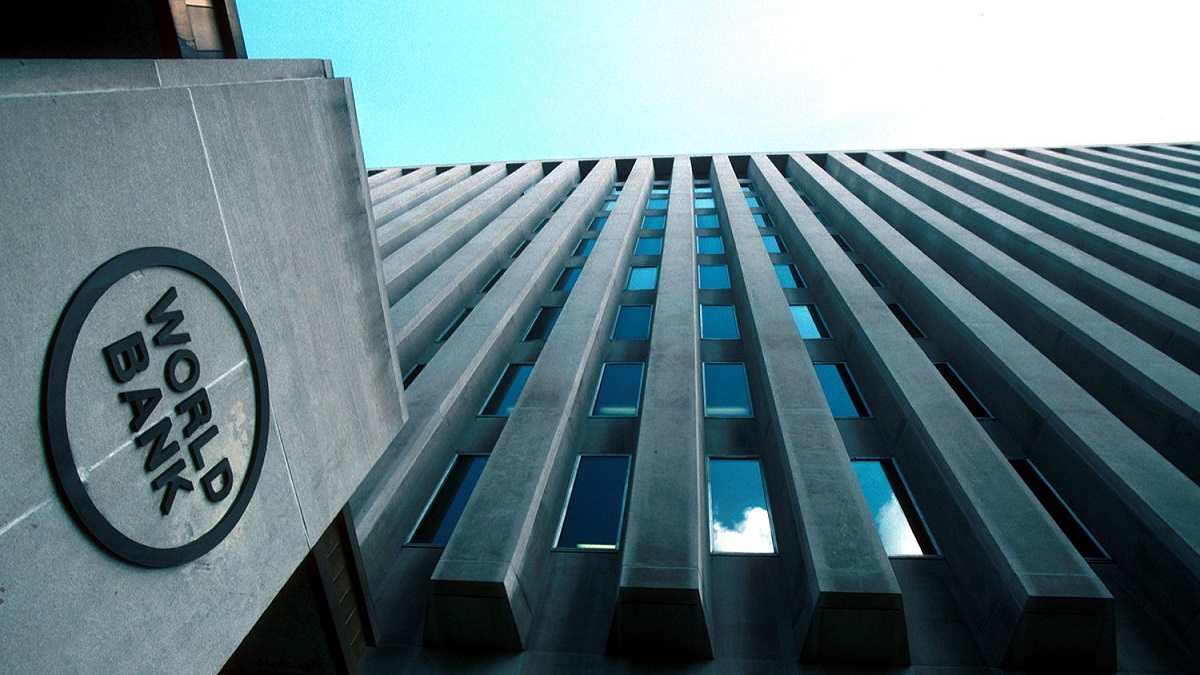
     Commodity prices are set to rise 23% in 2026 as global shocks mount, according to the World Bank Group’s latest Commodity Markets Outlook, released today.

    The Middle East conflict has drawn down oil inventories and is set to push energy prices to a four-year high. Meanwhile, disrupted grain shipments and El Niño threaten harvests and food affordability.

    With oil stocks depleted, the world is more exposed to further supply shocks. As countries respond to these challenges, the World Bank Group is making financing and support available through its existing instruments, while scaling up its ability to mobilize private capital alongside its own resources.

    Energy prices are projected to rise 32% in 2026, reversing three years of declines, before moderating in 2027. Brent is forecast to average $91 per barrel in 2026, up from $69 in 2025, then ease to $79 in 2027.

    Food commodity prices are expected to rise about 10% in 2026 and another 7% in 2027—a cumulative increase of 18%—as conflict disrupts grain shipments, El Niño threatens harvests, and high fuel and fertilizer prices increase agricultural costs. Overall commodity prices are forecast to rise 23% this year before declining by 7% in 2027.

    The forecasts assume no major intensification of conflicts affecting global commodity supplies. However, energy prices could rise further if the conflict in the Middle East escalates and damage to Russia’s oil infrastructure persists.

    At the same time, higher-than-expected energy prices, attacks on Black Sea grain shipments, and a very strong El Niño could combine to produce a food crisis that pushes more people into extreme poverty, similar to the situation during the early 2010s.

    In an adverse scenario in which these risks materialize together, Brent could average $105 a barrel in 2027 and food commodity prices could be 12% higher than expected in the baseline forecast, surpassing their level in 2022.

    “Commodity markets are being hit by several major shocks at once,” said Ayhan Kose, the World Bank’s Deputy Chief Economist and Director of the Prospects Group.

    “Higher energy costs and trade disruptions are driving up prices across a broad range of commodities, threatening to worsen inflation, food insecurity, and economic growth. The priority must be to protect the poorest people and support low-income countries already struggling with heavy debt burdens.”

    To support countries as they manage the fallout from higher prices, the World Bank Group has made $50 billion to $60 billion available through existing instruments, including $25 billion in pre-arranged financing. This can support social safety nets for the most vulnerable people, boost fiscal capacity, and provide working capital and liquidity support for firms and farms.

     At the same time, the institution has made substantial progress on accelerating and simplifying its ability to mobilise private capital alongside its own financing and knowledge services.

    As a result, the World Bank Group is well positioned to invest in the next generation of youth in developing countries—most importantly, by improving the conditions for job creation.

    The conflict is forcing adjustments in how the world produces and consumes energy. Global oil supply is projected to fall 5.2% in 2026—the largest drop in more than four decades outside the 2020 global recession.

    Meanwhile, consumption is expected to decline 2.5%, the third-largest annual contraction on record, after 2020 and 1980. High prices amid supply shortages are curbing demand, while electrification is also reducing oil use, particularly in China.

    Even so, production remains below consumption, forcing further withdrawals from oil stocks and leaving markets more exposed to renewed disruption.

    Fertilizer prices are set to rise 14% in 2026, after a surge in urea prices early in the year that has since eased, before returning to 2025 levels in 2027.

    Metals prices are set to reach a new high in 2026, rising 25% as prices of aluminium, copper, and tin all hit record highs. These gains reflect strong demand from investments in renewable energy, electric vehicles, and data centers, together with supply disruptions this year.

    Prices are expected to decline by 3% in 2027. Precious metals prices are forecast to increase by 40% in 2026 as demand for safe-haven assets remains elevated amid geopolitical and policy uncertainty. They are expected to moderate somewhat in 2027 but remain more than three times their 2015–19 average.

    The report’s special focus examines the interconnectedness of commodity markets, as in the degree to which variation in one commodity’s price can be explained by shocks to other commodity prices.

    It finds that links between commodity-price volatility become more pronounced during periods of economic or market stress, including since the start of the current Middle East conflict.

    Industrial metals transmit the most volatility to other commodity groups on average, although the role of oil prices rose markedly after the onset of the Middle East conflict.

    European Markets Rise, U.S. Stocks Dip on AI Financing Scrutiny

    Commodity prices Energy prices
    Share. Facebook Twitter Pinterest LinkedIn Tumblr Email
    Ogooluwa Aremu
    • Website

    Ogooluwa Aremu is a business journalist at MarketForces Africa covering Nigeria's energy sector, macroeconomic policy, African continental affairs, cryptocurrency markets, and foreign exchange developments.His reporting spans Nigeria's oil and gas regulatory landscape, including coverage of the Nigerian Midstream and Downstream Petroleum Regulatory Authority (NMDPRA), Nigeria International Energy Summit, and the downstream deregulation reforms reshaping Nigeria's petroleum sector. He also reports general market, Nigeria's fiscal reforms, World Bank and IMF engagements with Nigeria, and President Tinubu's economic policy initiatives.Ogooluwa covers Africa-wide developments through MarketForces Africa's Inside Africa desk, reporting on the African Union summits, continental economic policy, and cross-border developments affecting investment and trade across Sub-Saharan Africa.His cryptocurrency and forex market coverage tracks major digital assets, including Bitcoin, Ethereum, and Ripple, alongside. Nigeria's interbank FX market movements. He has covered major stories, including the African Union's 39th Ordinary Session in Addis Ababa, Nigeria's N6 trillion fuel import savings from deregulation, and the World Bank's assessment of Nigeria's economic reform programme. Ogooluwa Aremu is based in Lagos, Nigeria.

    Keep Reading

    AI, Tech Rally Lifts Global Equities as European Markets Diverge

    XRP Price Rises as C2FO, Ripple Partner to Modernise Trade Finance

    Naira Rebounds Against US Dollar after CBN FX Intervention

    Bitcoin Retakes $80k Price Range Ahead of US Fed Rate Policy

    Tokenized Stock Dips as Meta Priced Equity Offering at Discount

    NVDAB Rises as Investors React to Nvidia’s Meta AI Investment

    Add A Comment

    Comments are closed.

    Editors Picks

    Commodity Prices Set to Increase by 23% in 2026 as Global Shocks Mount

    October 28, 2026

    AI, Tech Rally Lifts Global Equities as European Markets Diverge

    October 28, 2026

    XRP Price Rises as C2FO, Ripple Partner to Modernise Trade Finance

    October 28, 2026

    Naira Rebounds Against US Dollar after CBN FX Intervention

    October 28, 2026

    Bitcoin Retakes $80k Price Range Ahead of US Fed Rate Policy

    October 28, 2026
    Latest Posts

    AI, Tech Rally Lifts Global Equities as European Markets Diverge

    October 28, 2026

    XRP Price Rises as C2FO, Ripple Partner to Modernise Trade Finance

    October 28, 2026

    Naira Rebounds Against US Dollar after CBN FX Intervention

    October 28, 2026

    Bitcoin Retakes $80k Price Range Ahead of US Fed Rate Policy

    October 28, 2026

    Tokenized Stock Dips as Meta Priced Equity Offering at Discount

    October 28, 2026

    Subscribe to News

    Get latest news from MarketForces Africa...

    Advertisement
    Facebook X (Twitter) Pinterest Vimeo WhatsApp TikTok Instagram

    News

    • World
    • Politics
    • Economy
    • Business
    • Opinions
    • Fintech
    • Science & Technology

    Company

    • About us
    • Advertising
    • Classified Ads
    • Contact Info
    • Editorial Policy

    Services

    • Subscriptions
    • Research
    • Due Diligence
    • Newsletters
    • Sponsored News
    • Work With Us

    Subscribe to Updates

    Subscribe to updates from MarketForces Africa, an independent financial news service provider.

    © 2026 MarketForces Africa. All rights reserved.
    • Privacy Policy
    • Terms
    • Accessibility

    Type above and press Enter to search. Press Esc to cancel.