
Close Menu
MarketForces AfricaMarketForces Africa
    What's Hot

    FX Spread Surges as Naira Depreciates Across FX Markets

    June 19, 2026

    U.S. Consumer Momentum Slows as Inflation Squeezes Incomes

    June 18, 2026

    Burundi Economy Improves, Inflation Sinks to 8.6% from 45% – IMF

    June 18, 2026
    Facebook X (Twitter) Instagram
    Trending
    • FX Spread Surges as Naira Depreciates Across FX Markets
    • U.S. Consumer Momentum Slows as Inflation Squeezes Incomes
    • Burundi Economy Improves, Inflation Sinks to 8.6% from 45% – IMF
    • United Nations Urges Africa to Boost Domestic Funding
    • US Dollar Hits 1-Year High on US Fed Hawkish Rates Bets
    • Nigerian Exchange Sheds N2.18trn as Dangote Companies Dip
    • XRP Price Dips 6.2% on U.S. Federal Reserve Rates Hike Bets
    • Bitcoin Sinks 5.3% as Ark, BlackRock IBIT Lead ETF Outflow
    • Home
    • About Us
    Facebook X (Twitter) Instagram LinkedIn WhatsApp TikTok Telegram
    MarketForces AfricaMarketForces Africa
    Subscribe
    Friday, June 19
    • Home
    • News
    • Analysis
    • Economy
    • Mobile Banking
    • Entrepreneurship
    MarketForces AfricaMarketForces Africa
    MarketForces Africa » Inside Africa » Africa Faces Rising Climate-linked Health Emergencies

    Africa Faces Rising Climate-linked Health Emergencies

    Olu AnisereBy Olu AnisereApril 6, 2022Updated:February 10, 2026 Inside Africa No Comments3 Mins Read
    Africa Faces Rising Climate-linked Health Emergencies
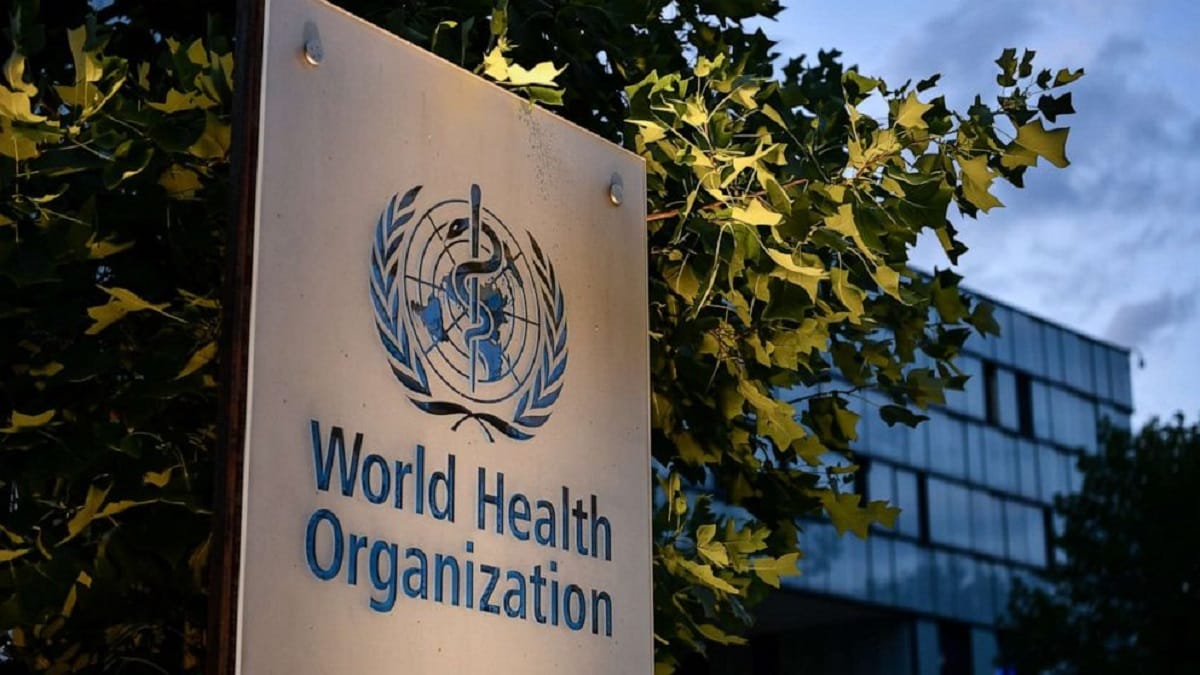
    W.H.O
    Share
    Facebook Twitter LinkedIn Pinterest Email Tumblr Reddit Telegram WhatsApp Copy Link

    Africa Faces Rising Climate-linked Health Emergencies

    Climate-related health emergencies are on the rise in Africa, accounting for more than half of public health events recorded in the region over the past two decades, a new analysis by the World Health Organization (WHO) shows.

    The analysis found that of the 2121 public health events recorded in the African region between 2001 and 2021, 56% were climate-related. The region is witnessing an increase in climate-linked emergencies, with 25% more climate-related events recorded between 2011 and 2021 compared with the previous decade.

    World Health Day is being marked on 7 April under the theme “Our Planet. Our Health.” WHO is calling on governments to, among other recommendations, prioritize human well-being in all key decisions, stop new fossil fuel explorations and subsidies, tax polluters and implement WHO air quality guidelines.

    “Climate change is one of the greatest threats to humanity. The entire foundation of good health is in jeopardy with increasingly severe climatic events. In Africa, frequent floods, and water- and vector-borne diseases are deepening health crises. Although the continent contributes the least to global warming, it bears the full consequences,” said Dr Matshidiso Moeti, WHO Regional Director for Africa.

    The WHO analysis found that water-borne diseases accounted for 40% of the climate-related health emergencies over the past two decades.

    In Africa, diarrhoeal diseases are the third leading cause of disease and death in under 5 children. A significant proportion of these deaths is preventable through safe drinking water, adequate sanitation and hygiene.

    The analysis also showed that vector-borne diseases, notably yellow fever, accounted for 28% of the climate-related health emergencies, while zoonotic diseases, specifically Congo-Crimean hemorrhagic fever, were the third most prevalent. Congo-Crimean hemorrhagic fever is a viral disease transmitted to people from ticks and livestock and has an outbreak fatality rate of up to 40%.

    Natural disasters have also spiked dramatically since 2010, with 70% of all-natural disasters occurring between 2017 and 2021. Floods were the most frequent event, accounting for 33% of all the reported natural disasters. READ: Covid-19: Is the Pandemic a Win For Regionalisation?

    Africa is also grappling with other significant health impacts linked to climatic shocks including malnutrition and hunger due to adverse weather on agricultural production, long-term health and development challenges in children, as well as other infectious diseases such as malaria.

    In Africa, climate change is likely to expand the range of malaria high-risk zones, according to a report by the Netherlands-based Global Centre on Adaptation. Even though malaria mortality has decreased from 840 000 deaths in 2000 to 602 000 deaths in 2020, the disease remains a major health challenge on the continent. #Africa Faces Rising Climate-linked Health Emergencies

    Investors
    Share. Facebook Twitter Pinterest LinkedIn Tumblr Email
    Olu Anisere
    • Website
    • LinkedIn

    Olu Anisere is a financial and economic journalist at MarketForces Africa, specialising in African macroeconomic policy, international finance, energy markets, and continental development.He covers major multilateral institutions, including the International Monetary Fund (IMF), World Bank, and the United Nations Economic Commission for Africa (ECA), providing readers with frontline reporting on policies shaping Africa's economic trajectory.Olu has reported extensively on Nigeria's fiscal and monetary policy landscape, including CBN interest rate decisions, Nigeria's bond market, FX inflows, and the country's engagement with global financial institutions.His coverage spans IMF and World Bank Spring and Annual Meetings, African Ministers of Finance conferences, and high-level economic forums where Africa's development agenda is set.His reporting captures perspectives from Africa's most influential economic voices, including Tony Elumelu, senior IMF officials, and CBN leadership, bringing institutional insight and policy depth to MarketForces Africa's readers.Olu also covers Inside Africa — tracking economic, investment, and development stories from across the continent. Olu Anisere is based in Lagos, Nigeria.

    Keep Reading

    Burundi Economy Improves, Inflation Sinks to 8.6% from 45% – IMF

    South African Rand Dips on Weak Macro Indicators, US Fed Tone

    South Africa’s Inflation Rises to 4.5% in May

    SSA Sovereigns Face Iran Shock from Stronger Starting Point -Fitch

    Nairobi Securities Exchange Climbs on Automobile, Telecom Stocks Rally

    Fitch Affirms Côte d’Ivoire Rating at ‘BB’, Outlook Stable

    Add A Comment

    Comments are closed.

    Editors Picks

    FX Spread Surges as Naira Depreciates Across FX Markets

    June 19, 2026

    U.S. Consumer Momentum Slows as Inflation Squeezes Incomes

    June 18, 2026

    Burundi Economy Improves, Inflation Sinks to 8.6% from 45% – IMF

    June 18, 2026

    United Nations Urges Africa to Boost Domestic Funding

    June 18, 2026

    US Dollar Hits 1-Year High on US Fed Hawkish Rates Bets

    June 18, 2026
    Latest Posts

    Burundi Economy Improves, Inflation Sinks to 8.6% from 45% – IMF

    June 18, 2026

    South African Rand Dips on Weak Macro Indicators, US Fed Tone

    June 18, 2026

    South Africa’s Inflation Rises to 4.5% in May

    June 17, 2026

    SSA Sovereigns Face Iran Shock from Stronger Starting Point -Fitch

    June 16, 2026

    Nairobi Securities Exchange Climbs on Automobile, Telecom Stocks Rally

    June 15, 2026

    Subscribe to News

    Get the latest sports news from Dmarketforces Africa about finance, business and tech.

    Advertisement
    Facebook X (Twitter) Pinterest Vimeo WhatsApp TikTok Instagram

    News

    • World
    • Politics
    • Economy
    • Business
    • Opinions
    • Fintech
    • Science & Technology

    Company

    • About us
    • Advertising
    • Classified Ads
    • Contact Info
    • Editorial Policy

    Services

    • Subscriptions
    • Research
    • Due Diligence
    • Newsletters
    • Sponsored News
    • Work With Us

    Subscribe to Updates

    Subscribe to updates from MarketForces Africa, an independent financial news service provider.

    © 2026 MarketForces Africa. All rights reserved.
    • Privacy Policy
    • Terms
    • Accessibility

    Type above and press Enter to search. Press Esc to cancel.