

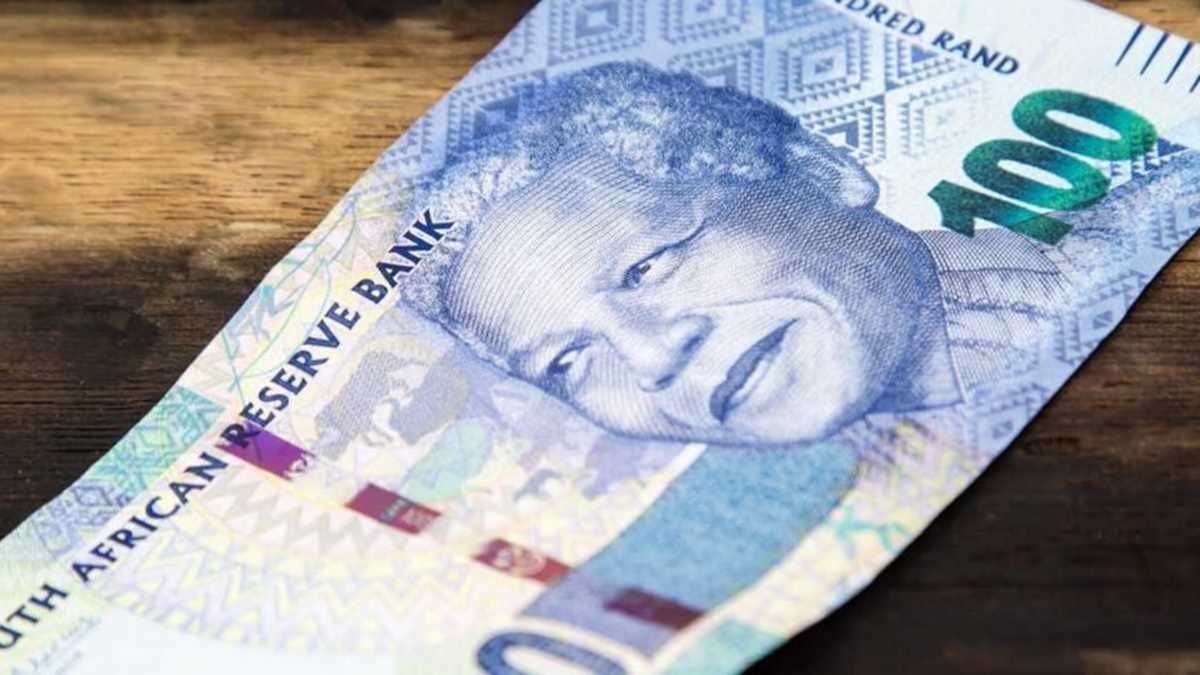
South African Rand Weakens as US Dollar Hits 18-Month High
South African rand (ZAR) weakened against the US dollar (USD), and other western currencies amidst uncertainty over crude oil prices, yellow metal and inflation concerns.
US dollar sits at an 18-month high on Monday, as an escalating Middle East conflict kept investors wary ahead of key US inflation data. The dollar index, which tracks the US currency against six others, was slightly down to 102.16 but remained within sight of 18-month highs.
In its brief, First National Bank (FNB) said on Monday that the rand is hovering at R16.48 per US dollar, close to its weakest level since July, pressured by a stronger US dollar and elevated oil prices.
Analysts said while elevated gold prices offered limited support, rising fuel costs have increased inflation risks. This is prompting concern over further South African Reserve Bank rate hikes as policymakers seek to contain broader price pressures.
A sustained transition towards the SARB’s 3.0% inflation target should also help anchor inflation expectations and improve the investment environment over time, FNB said in the brief.
However, the path is unlikely to be linear. External shocks, exchange-rate movements, commodity prices and domestic supply constraints can continue to generate periods of higher inflation.
Against other major crosses, the rand hovered around R18.48 per euro and R21.84 per British pound.
In the global commodity market, Brent crude eased to $103.24 per barrel, reversing recent gains as prospects of increased Russian diesel exports and a reported Russia-Ukraine energy ceasefire reduced fuel supply concerns.
However, the risk of regional retaliation to attacks in Saudi Arabia continued to support geopolitical risk premiums in oil markets.
Amid bearish moves, the Gold price hovered around $ 1,998.00 per ounce, with lower oil prices easing inflation concerns following reports of increased Russian diesel exports and a Russia-Ukraine energy ceasefire.
Ongoing Houthi attacks on Saudi Arabia and anticipation of key US inflation data kept investors focused on geopolitical and Federal Reserve risks.
South Africa’s growth potential remains constrained by longstanding structural challenges, including weak fixed investment, infrastructure bottlenecks, low productivity and limited employment creation.Nigerian Naira Softens Against US Dollar, Euro, British Pound
