

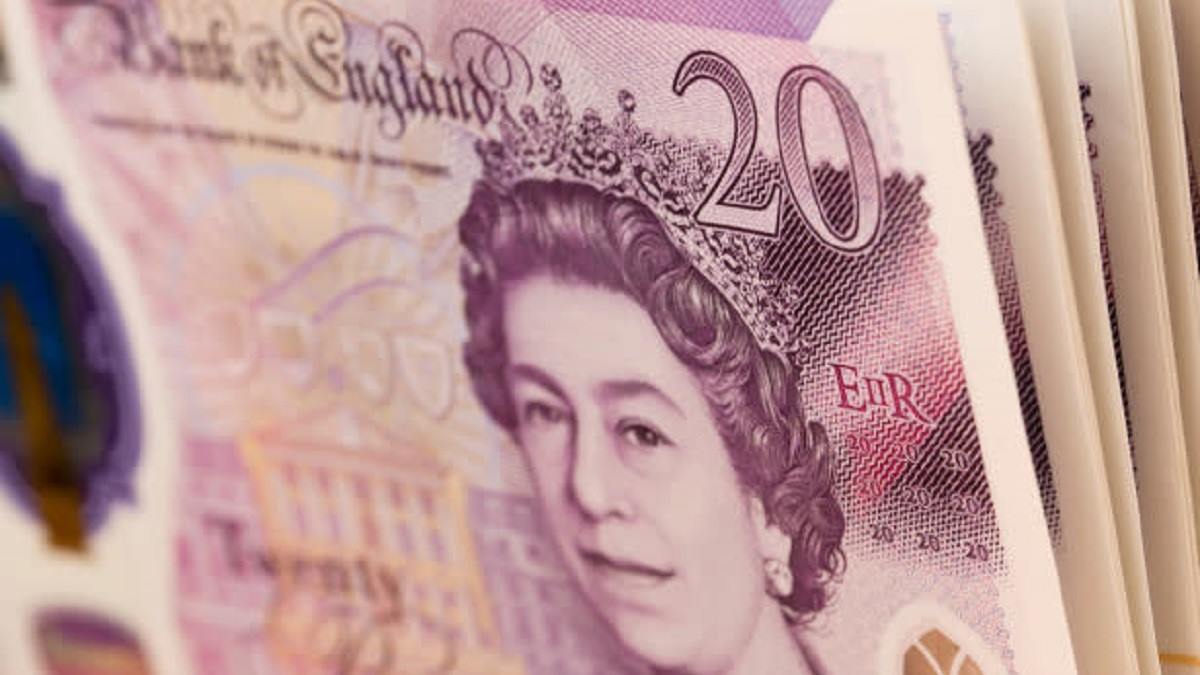
British Pound Falls Amidst Hawkish to Dovish Policy Shifts
The British pound fell to $1.236, its lowest level in nearly three weeks, after BoE policymaker Catherine Mann stated that weak demand in the UK outweighs inflation risks. The sterling retreated while demand for US dollar picked on the back of tariffs combat threats by the U.S government under Donald Trump.
This shift in stance came after Mann transitioned from a hawkish to a dovish position at last week’s meeting. She noted that demand conditions in the UK are “quite a bit weaker” than before, which is dampening consumer spending and limiting companies’ ability to raise prices, thereby easing inflationary pressures.
The BoE expects inflation, which stood at 2.5% in December, to rise to 3.7% later in 2025. Meanwhile, the bank slashed its growth forecast for this year to 0.75% from the previous estimate of 1.5%.
On the macroeconomic front, British investors are awaiting key data releases this week, including GDP estimates for December, preliminary Q4 figures, and industrial and manufacturing output for December. The DXY dollar index is staying relatively bid above 108.00 as markets remain gripped by the tariff threat, ING said in a note.
Adding that ‘Reciprocal’ tariffs could be due any day and the market remains uncertain whether these would apply only to certain key sectors, such as autos, pharma or semiconductors – or more broadly.
Former UK MPC arch-hawk and now arch-dove, Catherine Mann, speaks today. The market, analysts are all interested to hear why she flipped her voting intentions at last week’s BoE meeting, Chris Turner, ING analyst said in a note.
An interview given by her to the Financial Times today looks to largely have answered that question. Her fear is that demand conditions are weakening, corporate pricing power is fading and there is a risk of a ‘non-linear’ drop in employment.
Further comments along those lines this morning could see the markets firm up pricing of three further 25bp BoE cuts this year. Currently the market prices just 66 basis points.
“We do think GBP/USD is more vulnerable than EUR/GBP, however. This is because the euro could get hit should Washington turn its attention to the EU auto sector. 1.2250 looks like the near-term target for GBP/USD. #British Pound Falls Amidst Hawkish to Dovish Policy Shifts French Embassy to Empower 1,500 Youths on Agric. Dev’t in Kano
