

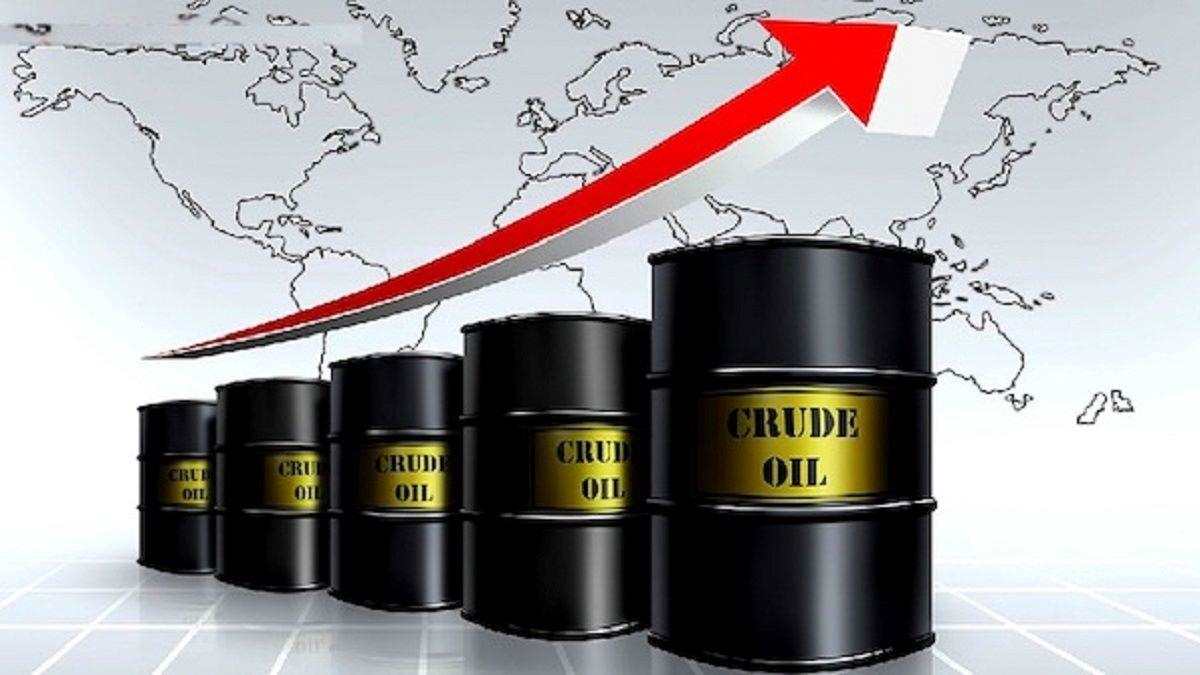
Oil Prices Rise over US-Iran Peace Talks Uncertainty
The global crude oil prices rose Tuesday on concerns that conflict could re-escalate in the Middle East despite ongoing peace talks.
International benchmark Brent crude futures for October traded at $84.64 per barrel, up 1% from the previous close of $83.77. US benchmark West Texas Intermediate (WTI) futures traded at $80.63 per barrel, up 0.5% from $80.25 in the previous session.
Persistent security risks facing commercial shipping in recent days and concerns that renewed tensions between Washington and Tehran could disrupt crude shipments through the Strait of Hormuz continued to support prices.
Oil prices continued to draw support from concerns that conflict could escalate again in the Middle East despite ongoing peace talks, keeping the risk of supply disruptions in focus.
Negotiations between the US and Iran, supported by Gulf countries and aimed at reaching a lasting agreement, have yet to produce a concrete outcome, lending further support to crude prices.
Although geopolitical tensions in the region eased somewhat over the past week, the lack of tangible progress toward a lasting peace and the absence of clear signals from Tehran have reinforced investor concerns that hostilities could resume.
Speaking to reporters after signing executive orders at the White House, US President Donald Trump said negotiations with Iran had resumed on Tuesday and were currently underway. He also accused Tehran of making contradictory statements about the talks.
He added that negotiations were being held at Iran’s request with the support of Saudi Arabia, the UAE, Qatar and other Gulf countries, describing them as Tehran’s last chance to reach an agreement.
Trump also said he had been prepared to launch one of the largest military operations since World War II, but decided against it after Gulf countries urged him to halt the planned strikes.
Meanwhile, expectations of additional supply from OPEC+ continued to limit further gains.
According to a statement from OPEC, Saudi Arabia, Russia, Iraq, Kuwait, Kazakhstan, Algeria and Oman agreed during an online meeting to increase collective production by 188,000 barrels per day (bpd) from September.
The decision was in line with their commitment to support oil market stability and as part of the gradual unwinding of the 1.65 million bpd voluntary production cuts announced in April 2023.
