
Close Menu
MarketForces AfricaMarketForces Africa
    What's Hot

    Ethiopia Unlocks Access to $484 Million IMF Loan

    July 2, 2026

    Banks’ Loans to Grow by 20% as New Capital Boosts Lending Appetite -Note

    July 2, 2026

    XRP Rallies as Ripple Unveils XRPL Lending Protocol Plan

    July 1, 2026
    Facebook X (Twitter) Instagram
    Trending
    • Ethiopia Unlocks Access to $484 Million IMF Loan
    • Banks’ Loans to Grow by 20% as New Capital Boosts Lending Appetite -Note
    • XRP Rallies as Ripple Unveils XRPL Lending Protocol Plan
    • Naira Rallies as Interbank FX Turnover, Deals Count Decline
    • Dangote, Aradel Selloffs Drag NGX Index, Investors Lose N2.4trn
    • EU Cuts Steel Import Quotas to Protect Industry
    • NGX Delivers 47% Return as Investors Gain N48trn in 6 Months
    • US Lifts Restriction on Anthropic’s Claude Fable, Mythos 5
    • Home
    • About Us
    Facebook X (Twitter) Instagram LinkedIn WhatsApp TikTok Telegram
    MarketForces AfricaMarketForces Africa
    Subscribe
    Thursday, July 2
    • Home
    • News
    • Analysis
    • Economy
    • Mobile Banking
    • Entrepreneurship
    MarketForces AfricaMarketForces Africa
    MarketForces Africa » Uncategorized » US Recession Looms for First Half of 2025 – CEO

    US Recession Looms for First Half of 2025 – CEO

    Julius AlagbeBy Julius AlagbeMarch 14, 2025 Uncategorized No Comments4 Mins Read
    US Recession Looms for First Half of 2025 - CEO
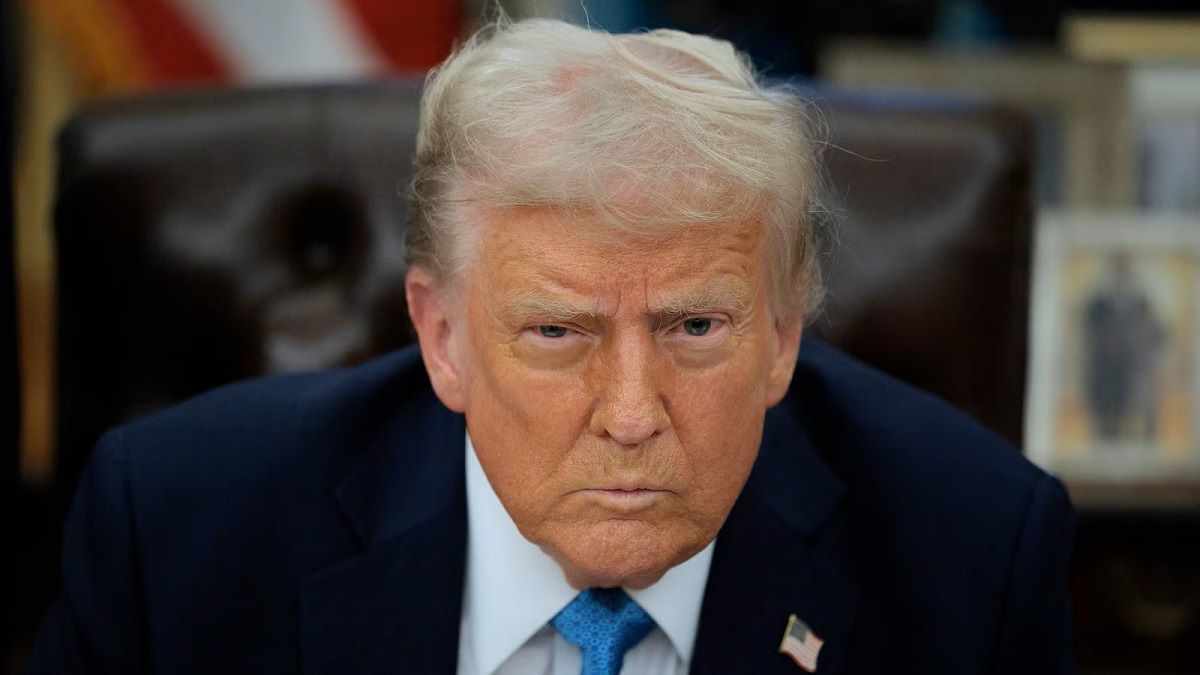
    Donald Trump, US President
    Share
    Facebook Twitter LinkedIn Pinterest Email Tumblr Reddit Telegram WhatsApp Copy Link

    US Recession Looms for First Half of 2025 – CEO

    US recession is now expected in the first half of 2025, setting the stage for the most significant economic disruption since the global financial crisis of 2008, a stark warning from Nigel Green, the CEO of global financial advisory and asset management organization, deVere Group.

    In a note sent to MarketForces Africa, Green noted that mounting pressures across key economic indicators are converging, making this downturn increasingly inevitable.

    Investors need to prepare now, as the fallout will create both winners and losers across global markets. “The cracks in the US economy are deepening. Trump’s on-off and erratic tariff policies have introduced heightened uncertainty for businesses and investors alike. The damage has already been done.

    Market waves of uncertainty have taken their toll, investor confidence has been battered, and businesses are scrambling to mitigate costs they never asked for. Global trade flows are adapting to a world with the US becoming no longer the dominant, reliable player it once was.

    “Also, growth is stalling under the weight of still elevated interest rates, persistent inflationary strains, and mounting geopolitical uncertainties,” says Nigel Green.

    “Consumer spending—the longtime bedrock of US economic resilience—is showing clear signs of fatigue. “Retail sales data suggests households are prioritizing necessities over discretionary purchases, a classic precursor to economic contraction.

    “Business investment, meanwhile, is cooling, with firms pulling back on expansion plans in anticipation of weaker demand.

    “Corporate earnings reports already hint at squeezed margins, and labor market strength—once a reassuring factor—now appears more fragile than headline figures suggest.”

    The Federal Reserve’s current federal funds rate stands at 4.25%–4.50%, as confirmed during its January 2025 meeting. While these rates were kept high to combat inflation, the economic strain is becoming increasingly evident.

    Mortgage rates remain elevated, with the average 30-year fixed mortgage rate hovering around 6.65%, further dampening consumer and business sentiment.

     “We expect the Fed is now likely to begin cutting rates to counteract a sharper downturn. But the effectiveness of such cuts remains uncertain, as recessionary pressures are already firmly in place,” notes the CEO of deVere.

    For the global economy, the ramifications will be profound. The US remains the world’s largest economy, and as it falters, it will impact countries far beyond its borders.

    Major trading partners, from Europe and Australia to Latin America to Asia, will face declining export demand.  Emerging markets, particularly those with high debt exposure, are especially vulnerable. Currency volatility will likely surge, making risk-sensitive assets even more unpredictable.

    In the corporate world, recession fears are already shifting behavior. Hiring freezes and layoffs are gaining traction across multiple industries, from technology to financial services.

    Private equity firms are pausing major acquisitions, wary of overpaying in an environment where valuations could sink.

    Credit markets are tightening, and small businesses—more dependent on accessible financing—are feeling the strain first. As growth slows, defaults will rise, and market sentiment will shift accordingly.

    Meanwhile, US equity markets are flashing warning signs. The Nasdaq and S&P 500 are now in correction territory, reinforcing fears that the downturn is accelerating. Yet, even in crisis, opportunity emerges. “There are always winners and losers,” says Nigel Green.

    “Defensive sectors, such as healthcare and consumer staples, are positioned to weather the storm better than most. Safe-haven assets, including gold and high-quality bonds, will likely see renewed investor interest.

    “Investors with liquidity will have opportunities to buy quality assets at discounted prices as fear grips markets. “The biggest question now is how deep and prolonged this recession could be. Policymakers will inevitably face pressure to respond, but their tools are limited.

    “The Fed’s expected rate cuts may provide some relief, but they come at a time when inflation, though easing, still lingers.

    “The effectiveness of monetary easing will depend on whether businesses and consumers regain confidence quickly enough to prevent a prolonged downturn.”

    Nigel Green continues: “Investors can’t afford complacency. Now is the time to reassess portfolios, hedge against volatility, and take advantage of shifting market dynamics.

    “Holding excess cash may not be the optimal move, as inflation still lingers, eroding purchasing power. Instead, strategic reallocation towards quality equities, defensive assets, and global diversification will be key to thriving in the turbulence ahead.”

    He concludes: “We believe the countdown to a US recession has begun.” #US Recession Looms for First Half of 2025 – CEO#

    Seplat Energy Prices $650m 9.125% Notes Due in 2030

    Share. Facebook Twitter Pinterest LinkedIn Tumblr Email
    Julius Alagbe
    • Website
    • LinkedIn

    Julius Alagbe is a senior financial journalist and Editor at MarketForces Africa with nearly two decades of experience in finance, accounting, and economics reporting.He is one of Nigeria's most prolific financial market reporters, covering capital markets, monetary policy, corporate earnings, banking, telecoms, and macroeconomic developments across Africa.Julius has built a strong footprint reporting on Nigeria's leading corporates and financial services sector, including coverage of the Nigerian Exchange Group, Central Bank of Nigeria monetary operations, MTN Nigeria, GTCO, and major investment banking transactions.He regularly monitors the CBN’s open market operations, interbank FX markets, and equity market movements, providing readers with real-time intelligence on Nigeria’s financial landscape.His reporting draws on direct access to institutional research from firms including Moody’s Ratings, CardinalStone Securities, Fitch, and other leading African investment houses.Julius brings analytical depth and editorial rigour to every story, making complex financial data accessible to professionals, investors, and policymakers across Africa.Julius Alagbe is based in Lagos, Nigeria.

    Keep Reading

    DisCos Meter 241,590 Customers in 2 Months –NERC

    Investors Trade 1.68bn Shares worth N109.4bn on NGX

    Hormuz Closure: Trump Dismisses Iran’s Offer as Oil Prices Surge

    CBN FX Intervention Declines by 83% to $150m in April

    Yusuf Buhari Gets Automatic APC Ticket to Seek Reps Seat

    PTAD Clears N32,000 Pension Arrears for DBS Retirees

    Add A Comment

    Comments are closed.

    Editors Picks

    Ethiopia Unlocks Access to $484 Million IMF Loan

    July 2, 2026

    Banks’ Loans to Grow by 20% as New Capital Boosts Lending Appetite -Note

    July 2, 2026

    XRP Rallies as Ripple Unveils XRPL Lending Protocol Plan

    July 1, 2026

    Naira Rallies as Interbank FX Turnover, Deals Count Decline

    July 1, 2026

    Dangote, Aradel Selloffs Drag NGX Index, Investors Lose N2.4trn

    July 1, 2026
    Latest Posts

    DisCos Meter 241,590 Customers in 2 Months –NERC

    May 22, 2026

    Investors Trade 1.68bn Shares worth N109.4bn on NGX

    May 13, 2026

    Hormuz Closure: Trump Dismisses Iran’s Offer as Oil Prices Surge

    May 11, 2026

    CBN FX Intervention Declines by 83% to $150m in April

    May 4, 2026

    Yusuf Buhari Gets Automatic APC Ticket to Seek Reps Seat

    May 2, 2026

    Subscribe to News

    Get the latest sports news from Dmarketforces Africa about finance, business and tech.

    Advertisement
    Facebook X (Twitter) Pinterest Vimeo WhatsApp TikTok Instagram

    News

    • World
    • Politics
    • Economy
    • Business
    • Opinions
    • Fintech
    • Science & Technology

    Company

    • About us
    • Advertising
    • Classified Ads
    • Contact Info
    • Editorial Policy

    Services

    • Subscriptions
    • Research
    • Due Diligence
    • Newsletters
    • Sponsored News
    • Work With Us

    Subscribe to Updates

    Subscribe to updates from MarketForces Africa, an independent financial news service provider.

    © 2026 MarketForces Africa. All rights reserved.
    • Privacy Policy
    • Terms
    • Accessibility

    Type above and press Enter to search. Press Esc to cancel.