
Close Menu
MarketForces AfricaMarketForces Africa
    What's Hot

    Market Cap Slips as Nigerian Exchange Halts 2-Week Rally

    September 25, 2026

    Germany Approves 17-Cent Fuel Tax Cut To Ease Pump Prices 

    September 25, 2026

    Trump to Xi: China Helping Iran Is Unacceptable 

    September 25, 2026
    Facebook X (Twitter) Instagram
    Trending
    • Market Cap Slips as Nigerian Exchange Halts 2-Week Rally
    • Germany Approves 17-Cent Fuel Tax Cut To Ease Pump Prices 
    • Trump to Xi: China Helping Iran Is Unacceptable 
    • Dangote To Fund $660m Fuel Pipeline Between Ethiopia And Djibouti
    • NNPC Ltd Welcomes $800m Ima Gas Final Investment Decision 
    • Iran Proposes 7-day Plan to Reopen Strait of Hormuz  
    • Ethereum Price Drops on Rising U.S. Treasury Yields
    • Crude Oil Prices Decline, Brent Hovers Below $106
    • Home
    • About Us
    Facebook X (Twitter) Instagram LinkedIn WhatsApp TikTok Telegram
    MarketForces AfricaMarketForces Africa
    Subscribe
    Friday, September 25
    • Home
    • News
    • Analysis
    • Economy
    • Mobile Banking
    • Entrepreneurship
    MarketForces AfricaMarketForces Africa
    MarketForces Africa » MarketForces News » Uncertainties: Conflict, Indebtedness Weigh on Outlook for MENA

    Uncertainties: Conflict, Indebtedness Weigh on Outlook for MENA

    Marketforces AfricaBy Marketforces AfricaApril 16, 2024 News No Comments3 Mins Read
    Uncertainties: Conflict, Indebtedness Weigh on Outlook for MENA
    Share
    Facebook Twitter LinkedIn Pinterest Email Tumblr Reddit Telegram WhatsApp Copy Link

    Uncertainties: Conflict, Indebtedness Weigh on Outlook for MENA

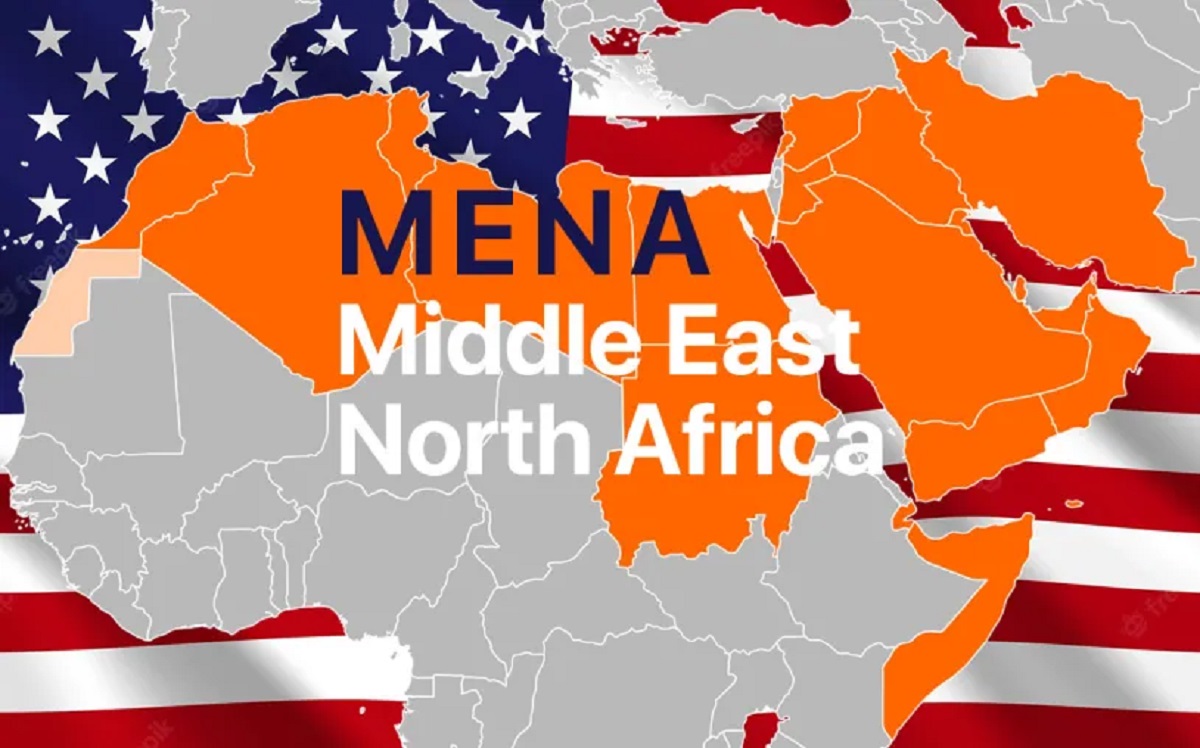
    The World Bank’s new Middle East and North Africa Economic Update, entitled Conflict and Debt in the Middle East and North Africa, shows that lackluster growth, rising indebtedness, and heightened uncertainty due to the conflict in the Middle East are impacting economies across the region.

    According to the report, MENA economies are expected to return to low growth akin to the decade prior to the pandemic. MENA’s gross domestic product (GDP) is forecast to rise to 2.7% in 2024, which is a tepid increase from 1.9% in 2023. As in 2023, oil importing and oil exporting countries are likely to grow at less disparate rates than 2022, when higher oil prices boosted growth in oil exporters.

    For Gulf Cooperation Council (GCC) countries, the 2024 growth uptick reflects expectations of robust non-oil sector activity and fading out of oil production cuts towards the end of the year. GDP growth in almost all oil-importing countries is expected to decelerate.

    The report looks at the economic impact of the conflict in the Middle East on the region. Economic activity in Gaza has come to a near standstill. The GDP of the Gaza strip dropped by 86% in last quarter of 2023. The West Bank has plunged into a recession, with simultaneous public and private sector crises. A recent World Bank report goes into further depth on damages to the Gaza Strip and catastrophic impacts on the people of Gaza.Naira Devaluation Deepens Economic Crisis in Nigeria

    The economic impact of the conflict on the rest of the region has remained relatively contained, but uncertainty has increased. For example, the shipping industry has coped with shocks to maritime transport by rerouting vessels away from the Red Sea, but any prolonged disruptions to routes through the Suez Canal could increase commodity prices regionally and globally.

    The report also looks at rising indebtedness in the MENA region. Between 2013 and 2019, the median debt-to-GDP ratio for MENA economies increased by more than 23 percentage points. The pandemic made things worse as declines in revenue, together with pandemic support spending, increased financing needs for many countries.

    This rising indebtedness is heavily concentrated in oil-importing economies, which now have a debt-to-GDP ratio 50 percent higher than the global average of emerging market and developing economies. Approaching 90 percent of GDP in 2023, oil-importing countries in MENA have a debt-to-GDP ratio almost three times higher than that of oil-exporting countries in the region.

    The report presents evidence that oil-importing countries in MENA have been unable to grow out of debt or inflate their debt away, making fiscal discipline essential to curb indebtedness. Critically, off-budget items which have played a large role in some MENA economies have been to the detriment of debt and fiscal transparency.

    The challenge for oil exporters is one of economic and fiscal-revenue diversification, given the structural change in global oil markets and the rising demand for renewable sources of energy. Overall, MENA economies need to undertake structural reforms, chief among them transparency, to unlock growth and forge a sustainable path ahead.

    Investors Nigeria
    Share. Facebook Twitter Pinterest LinkedIn Tumblr Email
    Marketforces Africa
    • Website
    • Facebook
    • X (Twitter)
    • Instagram
    • LinkedIn

    MarketForces Africa, a Financial News Media Platform for Strategic Opinions about Economic Policies, Strategy & Corporate Analysis from today's Leading Professionals, Equity Analysts, Research Experts, Industrialists and, Entrepreneurs on the Risk and Opportunities Surrounding Industry Shaping Businesses and Ideas.

    Keep Reading

    Market Cap Slips as Nigerian Exchange Halts 2-Week Rally

    Germany Approves 17-Cent Fuel Tax Cut To Ease Pump Prices 

    Trump to Xi: China Helping Iran Is Unacceptable 

    Dangote To Fund $660m Fuel Pipeline Between Ethiopia And Djibouti

    NNPC Ltd Welcomes $800m Ima Gas Final Investment Decision 

    Iran Proposes 7-day Plan to Reopen Strait of Hormuz  

    Add A Comment

    Comments are closed.

    Editors Picks

    Market Cap Slips as Nigerian Exchange Halts 2-Week Rally

    September 25, 2026

    Germany Approves 17-Cent Fuel Tax Cut To Ease Pump Prices 

    September 25, 2026

    Trump to Xi: China Helping Iran Is Unacceptable 

    September 25, 2026

    Dangote To Fund $660m Fuel Pipeline Between Ethiopia And Djibouti

    September 25, 2026

    NNPC Ltd Welcomes $800m Ima Gas Final Investment Decision 

    September 25, 2026
    Latest Posts

    Market Cap Slips as Nigerian Exchange Halts 2-Week Rally

    September 25, 2026

    Germany Approves 17-Cent Fuel Tax Cut To Ease Pump Prices 

    September 25, 2026

    Trump to Xi: China Helping Iran Is Unacceptable 

    September 25, 2026

    Dangote To Fund $660m Fuel Pipeline Between Ethiopia And Djibouti

    September 25, 2026

    NNPC Ltd Welcomes $800m Ima Gas Final Investment Decision 

    September 25, 2026

    Subscribe to News

    Get the latest sports news from Dmarketforces Africa about finance, business and tech.

    Advertisement
    Facebook X (Twitter) Pinterest Vimeo WhatsApp TikTok Instagram

    News

    • World
    • Politics
    • Economy
    • Business
    • Opinions
    • Fintech
    • Science & Technology

    Company

    • About us
    • Advertising
    • Classified Ads
    • Contact Info
    • Editorial Policy

    Services

    • Subscriptions
    • Research
    • Due Diligence
    • Newsletters
    • Sponsored News
    • Work With Us

    Subscribe to Updates

    Subscribe to updates from MarketForces Africa, an independent financial news service provider.

    © 2026 MarketForces Africa. All rights reserved.
    • Privacy Policy
    • Terms
    • Accessibility

    Type above and press Enter to search. Press Esc to cancel.