

Africa Pushes for Fairer Global Tax Rules Ahead of Nairobi Negotiations
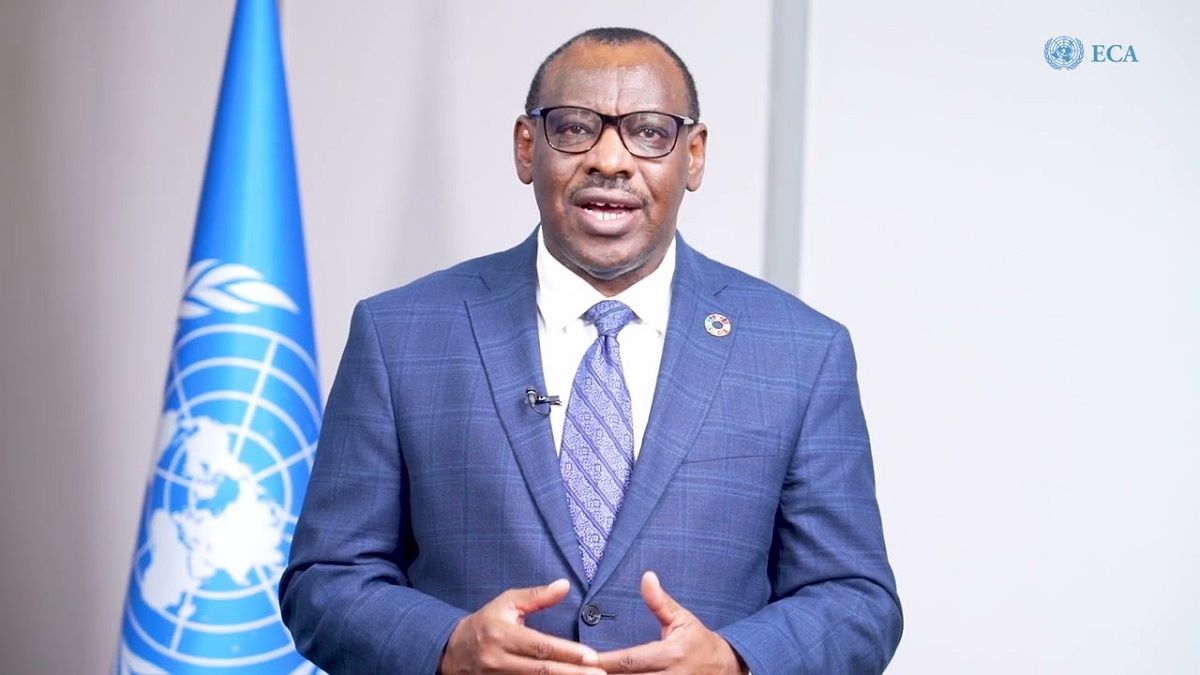
African countries must secure stronger taxing rights and a greater voice in shaping global tax rules as negotiations advance on a new United Nations Framework Convention on International Tax Cooperation, Executive Secretary of ECA, Claver Gatete, said on Friday.
Speaking at a high-level briefing in Addis Ababa ahead of the sixth session of the Intergovernmental Negotiating Committee in Nairobi, Gatete said the negotiations offer African countries an opportunity to address longstanding imbalances in international taxation and strengthen domestic revenue mobilization.
“Africa played a leading role in bringing international tax cooperation to the United Nations, helping to establish a more inclusive process in which all Member States can participate in shaping international tax rules,” Gatete said. “The task now is to ensure that the Convention delivers a fairer and more effective international tax system.”
The talks come as many African governments face growing pressure to finance development while servicing high levels of debt.
Africa’s average tax-to-GDP ratio across 38 economies reached 16.1 per cent in 2023, marking a third consecutive year of improvement. But 20 of those countries remained below the 15 per cent benchmark for financing basic state functions.
Debt servicing also exceeds health expenditure in more than 40 per cent of African countries, while an estimated US$88.6 billion leaves the continent annually through illicit financial flows.
“Strengthening domestic tax systems is therefore indispensable to Africa’s development,” Gatete said. “But these efforts must be supported by international rules that allow countries to tax economic activities taking place within their jurisdictions.”
The UN tax convention negotiations are expected to tackle some of the issues that have long constrained the ability of developing countries to collect revenue from economic activity within their borders.
ECA has identified four priorities for African countries in the negotiations: taxing rights, cross-border services, tackling tax avoidance and illicit financial flows, and inclusive governance of the international tax system.
One key issue is the taxation of cross-border services. As digital, professional, technical and management services expand across African markets, foreign companies can generate significant income in countries where existing tax treaties may limit governments’ ability to tax those earnings.
Existing bilateral tax treaties can also restrict the taxing rights of African countries over income generated within their jurisdictions.
The proposed Convention provides an opportunity to address some of these constraints, while creating greater clarity on international tax rules.
The negotiations are also expected to address cooperation between tax administrations, access to tax information across jurisdictions, tax dispute prevention and resolution, and measures to combat tax avoidance and illicit financial flows.
Gatete stressed that African countries should be able to participate meaningfully not only in negotiating the Convention but also in developing future international tax standards and reviewing their implementation.
African expertise needed in Nairobi
ECA has been working with the African Union Commission, the African Tax Administration Forum, Tax Justice Network Africa and other partners to support African countries during the negotiations.
Its support has included reviewing negotiating texts and proposed amendments, assessing their potential legal, administrative and revenue implications, supporting African Group coordination and facilitating consultations with other regions.
With the negotiations becoming increasingly technical, Gatete urged governments to ensure their delegations to Nairobi include experts from revenue administrations, finance ministries and relevant legal departments.
ECA is also preparing further analytical papers and negotiation briefs on outstanding provisions ahead of the Nairobi session.
While ECA will continue to provide technical and coordination support, Gatete emphasized that African Member States themselves will ultimately determine and advance their negotiating positions.
“Our objective is an international tax system that better supports Africa’s development priorities and the aspirations of Agenda 2063,” he said.
The Addis Ababa briefing was convened by the UN Economic Commission for Africa together with the United Nations Resident Coordinator’s Office in Ethiopia and the UN Development Coordination Regional Office for Africa.
