

U.S. Fed Now Hostage To A War Thousands Of Miles Away: CEO
The Federal Reserve’s decision to hold interest rates steady at 3.5% to 3.75% was shaped less by economic data than by a conflict thousands of miles from Washington, says Nigel Green, CEO of deVere Group, one of the world’s largest independent financial advisory organisations.
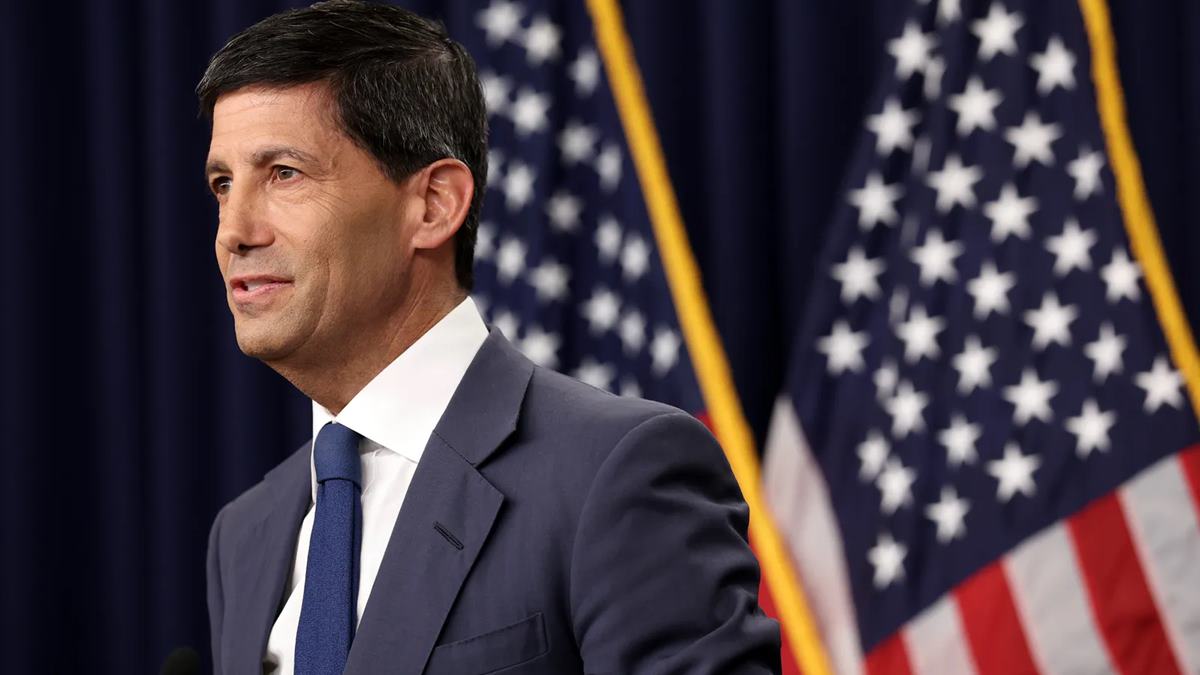
The 9-3 vote, announced by Fed Chair Kevin Warsh, came hours after Iran fired missiles at American forces in the Middle East and oil prices jumped sharply, with Brent crude and West Texas Intermediate both surging in the same session.
“The Fed used to set policy based on jobs numbers and inflation prints. Right now they’re setting it based on missile strikes and oil futures,” says Nigel Green.
“This isn’t a normal environment for monetary policy, and pretending otherwise does households and businesses a disservice.”
The deVere CEO notes the practical consequence is that ordinary borrowers and savers are now exposed to a source of volatility that has nothing to do with the domestic economy.
“Your mortgage rate, your savings return, your pension performance, all of it is now partly hostage to events in the Middle East that no central banker controls.
“This is a genuinely different risk landscape to the one most households have planned around for the past decade.”
The conflict has already reshaped how investors think about the rest of the year, with energy prices acting as the link between geopolitical events and household finances.
“Every time this conflict flares, oil moves, inflation expectations move, and interest rate expectations move with them,” says Nigel Green.
“Households don’t need to follow the ceasefire negotiations to feel the impact. It shows up in their mortgage renewal, their gas, and their pension statement instead.”
Nigel Green says today’s hold should be read as a pause forced by uncertainty, not a signal that the uncertainty has passed.
“The Fed didn’t hold today because it’s confident. It held because it doesn’t yet know which way this conflict breaks.
“This is a very different message to the one markets want to hear, and investors treating this as reassurance are misreading it.”
The bigger issue perhaps is that households and investors have built financial plans around a level of predictability that simply no longer exists.
“Financial planning over the last decade assumed central banks were the main source of surprise. This strategy is now out of date,” says Nigel Green.
“Geopolitics has become the bigger variable, and portfolios, mortgages, and retirement plans built without that in mind are exposed in ways people haven’t fully priced in yet.”
Nigel Green says households and investors should treat volatility as the baseline expectation for the months ahead, rather than a temporary disruption.
He concludes: “Anyone waiting for things to go back to how they were before this conflict started is likely to be waiting a long time.” Crude Oil Tops $95 on Escalating Tensions in the Middle East
