
Close Menu
MarketForces AfricaMarketForces Africa
    What's Hot

    CBN Mops Up N4.8trn from Two High-Ticket OMO Bills Auctions

    June 29, 2026

    Dangote Cement Opens at 19% Discount to 52-Week High

    June 29, 2026

    FirstHoldco Surges by10% as Investors Buy the Dip

    June 29, 2026
    Facebook X (Twitter) Instagram
    Trending
    • CBN Mops Up N4.8trn from Two High-Ticket OMO Bills Auctions
    • Dangote Cement Opens at 19% Discount to 52-Week High
    • FirstHoldco Surges by10% as Investors Buy the Dip
    • Zenith Bank Rallies as Investors Chase Upside Potential
    • AI, Machine Learning Transform Nigeria’s Power Sector- NDPHC CEO
    • State Police Should Take Off After 2027 Elections – Peter Obi
    • Proposed Textile Import Ban May Hurt Economy, Jobs – CPPE
    • Bitcoin Drops as Grayscale Research Guides Strategy Inc. to Sell $3bn BTC
    • Home
    • About Us
    Facebook X (Twitter) Instagram LinkedIn WhatsApp TikTok Telegram
    MarketForces AfricaMarketForces Africa
    Subscribe
    Monday, June 29
    • Home
    • News
    • Analysis
    • Economy
    • Mobile Banking
    • Entrepreneurship
    MarketForces AfricaMarketForces Africa
    MarketForces Africa » MarketForces News » Trump Must Act On $39 Trillion U.S. Debt, Global Risks Mount

    Trump Must Act On $39 Trillion U.S. Debt, Global Risks Mount

    Julius AlagbeBy Julius AlagbeJanuary 23, 2026Updated:January 23, 2026 News No Comments4 Mins Read
    Trump Must Act On $39 Trillion U.S. Debt, Global Risks Mount
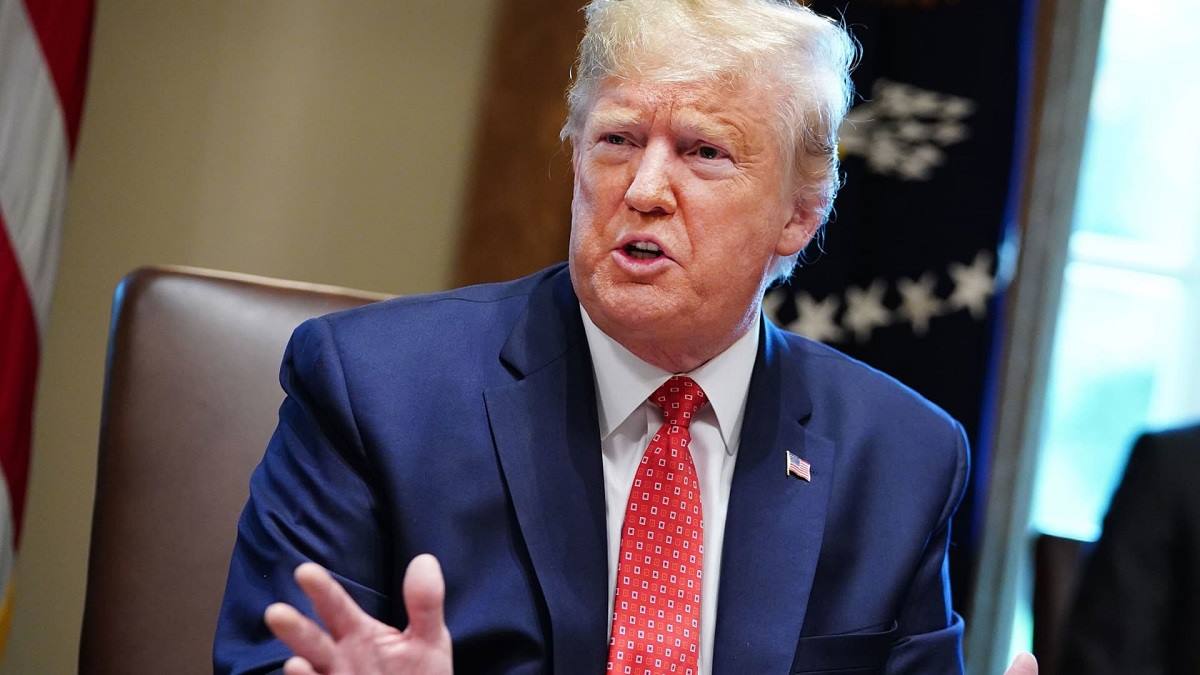
    President Donald Trump
    Share
    Facebook Twitter LinkedIn Pinterest Email Tumblr Reddit Telegram WhatsApp Copy Link

    Trump Must Act On $39 Trillion U.S. Debt, Global Risks Mount

     With US national debt now hitting almost $39 trillion, Trump needs to focus on the potential fallout of the world’s largest economy’s debt triggering a global financial crisis, warns the CEO of one of the world’s largest independent financial advisory organisations.

    Nigel Green of deVere Group’s comments come as fresh Treasury data show US government liabilities surging past $38.4 trillion in early January, rising by more than $2.2 trillion in the past year alone and on track to breach $39 trillion within months.

    The US has added more than $10 trillion to its debt in just five years, underscoring the accelerating pace of borrowing.

    He says: “This month alone, Trump and his administration have been focused on Venezuela, legal action against the Chair of the Federal Reserve, acquiring Greenland, tariffs on European allies, and now suing the CEO of JPMorgan Chase.

    “Behind the scenes, the US national debt continues to soar at a pace that should dominate the economic agenda.”

    The deVere CEO warns that the scale and speed of borrowing now represent a systemic global risk rather than a domestic political talking point.

    He says: “Debt accumulation has become routine in Washington, but markets will not treat it as routine forever.

    “The US is borrowing trillions every year, while interest costs alone are approaching levels that exceed defence and Medicare spending. “This is a structural vulnerability that investors, policymakers, and global partners cannot, and should not, ignore.”

    US fiscal data show the federal government ran a roughly $1.8 trillion budget deficit in fiscal 2025, with interest payments nearing or surpassing $1 trillion for the first time in history. Net interest costs have almost tripled over the past five years, driven by higher interest rates and the expanding stock of debt.

    Nigel Green says: “Interest is now one of the largest items in the federal budget. Paying creditors is consuming resources that could otherwise fund productivity, innovation, or tax relief.

    “This is the classic debt spiral dynamic that every emerging market fears, yet it’s now visible in the world’s largest economy.”

    He adds that the US enjoys unparalleled financial privilege because the dollar is the global reserve currency, but that privilege should not be mistaken for immunity.

    “Global investors buy Treasuries because they trust the US system. If that trust weakens, yields will rise, the dollar could become more volatile, and global borrowing costs will climb. Every mortgage holder, corporate borrower, and emerging market government would feel the shock.”

    He argues that the US debt trajectory has direct implications for inflation, monetary policy, and global asset markets.

     “When debt becomes politically untouchable, governments lean on central banks to keep rates lower and inflate away liabilities.

    “This erodes purchasing power and distorts capital allocation. Investors should understand that high debt changes the entire macro regime.”

    The deVere chief executive stresses that debt is rising at a time when the US faces mounting demographic and geopolitical pressures. Social Security and healthcare spending are increasing as the population ages, while defence outlays and industrial policy ambitions continue to expand.

    He continues: “The fiscal reality is brutal. Mandatory spending is rising automatically, discretionary spending is politically sensitive, and tax revenues are insufficient to close the gap.

    “Without credible reform, borrowing remains the default option.” He cautions that markets are often complacent, until they are not.

    Nigel Green says: “Debt crises rarely announce themselves years in advance. They emerge when confidence shifts, when buyers demand higher compensation, or when political dysfunction undermines fiscal credibility.

    “US debt is the backbone of global reserves, banking collateral, and risk pricing. If that backbone weakens, the consequences will cascade through equities, currencies, commodities, and credit markets worldwide.”

    Despite the risks, the deVere CEO emphasizes that the situation is not yet a crisis but a slow-moving macro event that demands leadership.

    He says, “The US still has time to stabilize its fiscal path. It requires confronting spending growth, tax policy, entitlement reform, and the cost of servicing debt.

    “Ignoring the issue while pursuing headline-grabbing geopolitical projects or pet peeves is a strategic error.” He concludes: “Debt at this scale reshapes geopolitics and financial markets. The US has a responsibility not just to its citizens but to the global system that depends on its stability.

    “The longer Washington postpones serious fiscal reform, the higher the eventual cost for everyone.” U.S. Withdrawal From WHO, Loss for Everyone – Tedros

    U.S.DEBT
    Share. Facebook Twitter Pinterest LinkedIn Tumblr Email
    Julius Alagbe
    • Website
    • LinkedIn

    Julius Alagbe is a senior financial journalist and Editor at MarketForces Africa with nearly two decades of experience in finance, accounting, and economics reporting.He is one of Nigeria's most prolific financial market reporters, covering capital markets, monetary policy, corporate earnings, banking, telecoms, and macroeconomic developments across Africa.Julius has built a strong footprint reporting on Nigeria's leading corporates and financial services sector, including coverage of the Nigerian Exchange Group, Central Bank of Nigeria monetary operations, MTN Nigeria, GTCO, and major investment banking transactions.He regularly monitors the CBN’s open market operations, interbank FX markets, and equity market movements, providing readers with real-time intelligence on Nigeria’s financial landscape.His reporting draws on direct access to institutional research from firms including Moody’s Ratings, CardinalStone Securities, Fitch, and other leading African investment houses.Julius brings analytical depth and editorial rigour to every story, making complex financial data accessible to professionals, investors, and policymakers across Africa.Julius Alagbe is based in Lagos, Nigeria.

    Keep Reading

    CBN Mops Up N4.8trn from Two High-Ticket OMO Bills Auctions

    Dangote Cement Opens at 19% Discount to 52-Week High

    FirstHoldco Surges by10% as Investors Buy the Dip

    Zenith Bank Rallies as Investors Chase Upside Potential

    AI, Machine Learning Transform Nigeria’s Power Sector- NDPHC CEO

    Proposed Textile Import Ban May Hurt Economy, Jobs – CPPE

    Add A Comment

    Comments are closed.

    Editors Picks

    CBN Mops Up N4.8trn from Two High-Ticket OMO Bills Auctions

    June 29, 2026

    Dangote Cement Opens at 19% Discount to 52-Week High

    June 29, 2026

    FirstHoldco Surges by10% as Investors Buy the Dip

    June 29, 2026

    Zenith Bank Rallies as Investors Chase Upside Potential

    June 29, 2026

    AI, Machine Learning Transform Nigeria’s Power Sector- NDPHC CEO

    June 28, 2026
    Latest Posts

    CBN Mops Up N4.8trn from Two High-Ticket OMO Bills Auctions

    June 29, 2026

    Dangote Cement Opens at 19% Discount to 52-Week High

    June 29, 2026

    FirstHoldco Surges by10% as Investors Buy the Dip

    June 29, 2026

    Zenith Bank Rallies as Investors Chase Upside Potential

    June 29, 2026

    AI, Machine Learning Transform Nigeria’s Power Sector- NDPHC CEO

    June 28, 2026

    Subscribe to News

    Get the latest sports news from Dmarketforces Africa about finance, business and tech.

    Advertisement
    Facebook X (Twitter) Pinterest Vimeo WhatsApp TikTok Instagram

    News

    • World
    • Politics
    • Economy
    • Business
    • Opinions
    • Fintech
    • Science & Technology

    Company

    • About us
    • Advertising
    • Classified Ads
    • Contact Info
    • Editorial Policy

    Services

    • Subscriptions
    • Research
    • Due Diligence
    • Newsletters
    • Sponsored News
    • Work With Us

    Subscribe to Updates

    Subscribe to updates from MarketForces Africa, an independent financial news service provider.

    © 2026 MarketForces Africa. All rights reserved.
    • Privacy Policy
    • Terms
    • Accessibility

    Type above and press Enter to search. Press Esc to cancel.