

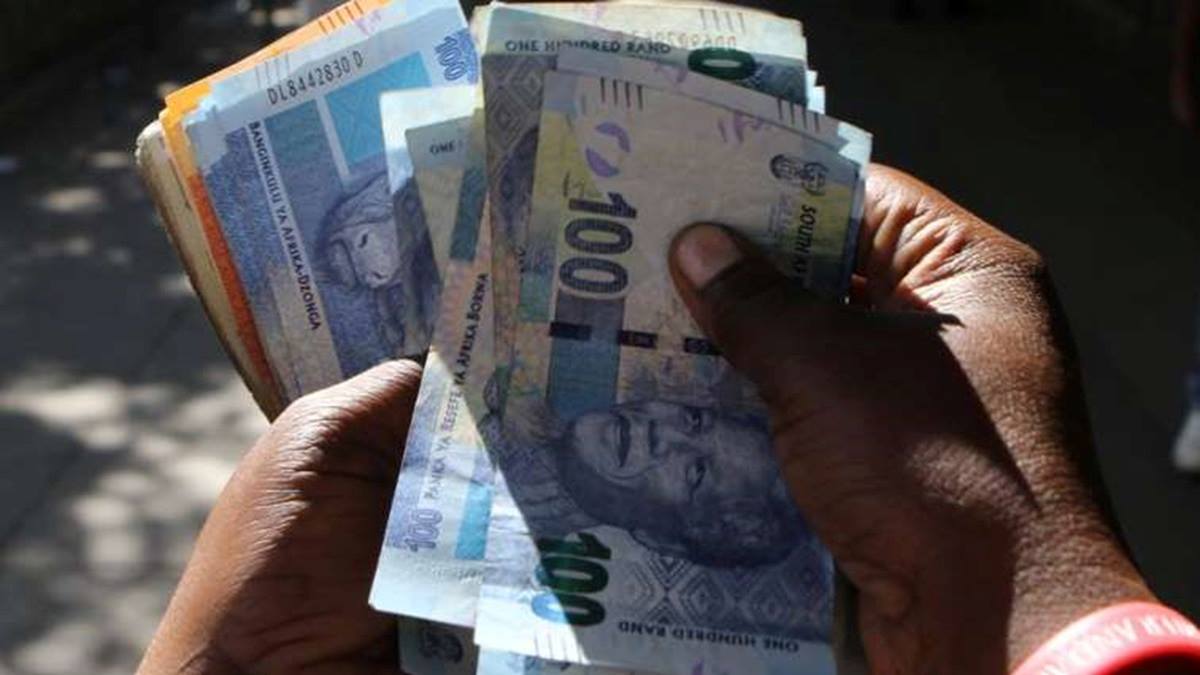
South African Rand Weakens after Reserve Bank Hikes Repo Rate
South African rand fell against the crosses and other Western currencies after the Reserve Bank hiked the repo rate by 25 basis points to anchor inflation and align with the US Fed’s rate hike.
The local unit depreciated against its major crosses in Friday’s previous session but is relatively stable in Friday’s trading session as local investors continue to digest the Reserve Bank’s decision.
The rand changed hands at R16.42 to the dollar, R18.67 to the euro and R21.70 to the British pound, First National Bank (FNB) said in a brief.
The South African Reserve Bank (SARB) policy committee hiked interest rates by 25 basis points in an effort to steer inflation back towards its 3% target.
Inflation signals that consumer prices remained relatively subdued in August, with the headline number edging up to 4.4% year on year from 4.3% in July, slightly below market expectations of 4.5%.
Analysts noted that there was no monthly inflation pressure, while core inflation eased to 4.1% year on year from 4.2%. Fuel prices declined 1.3% on a monthly comparison, although they remained 20% higher than a year earlier.
Food inflation increased modestly to 1.1% year on year from 0.9%, mainly driven by meat prices. Against this backdrop, the SARB raised the repo rate by 25 basis points (bps) to 7.25% in a unanimous decision, in line with market expectations.
The central bank cited a deterioration in the near-term inflation outlook, driven by renewed fuel-price pressures, rising global interest rates, and concern that the current supply shock could become embedded in wages, inflation expectations, and broader price-setting behaviour.
The decision comes despite a weaker growth backdrop. The economy contracted in 2Q26, and the SARB continues to assess growth risks as skewed to the downside.
However, while the recent decision signals a more restrictive monetary policy stance, it does not necessarily telegraph the start of a prolonged tightening cycle, according to a stockbroking and portfolio management subsidiary of First National Bank.
Analysts said policymakers appear more concerned about preventing temporary fuel and supply shocks from becoming entrenched in inflation dynamics than supporting near-term growth.
Encouragingly, food inflation remains exceptionally low, and the rand’s resilience has helped contain imported inflation, partially offsetting pressure from elevated services inflation.
Money Market Rates Steady on 39% Liquidity Surge in Banking System
