

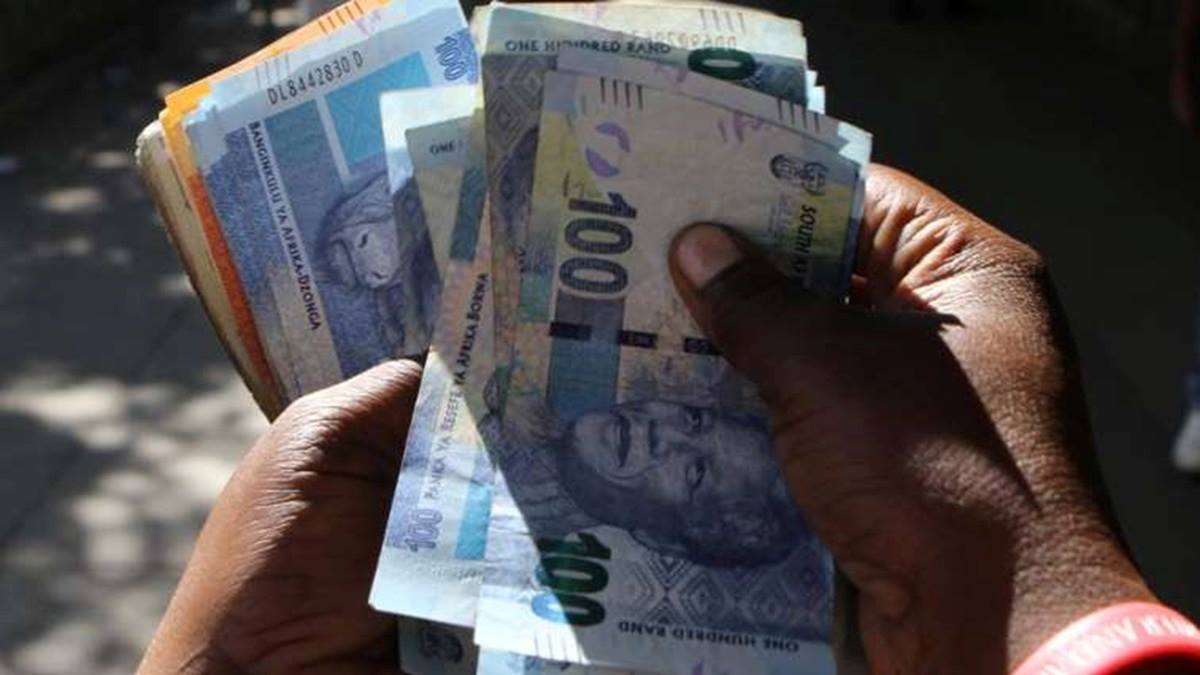
South African Rand Rises Ahead of SARB Rate Decision
The South African rand (ZARUSD) is appreciating against its major crosses, including the US dollar, the Euro, and the sterling, in early trading hours on Monday, First National Bank (FNB) said in a brief.
The Bank said the rand is changing hands at R16.33 to the dollar, R19.00 to the euro, and R22.00 to the pound, amid an imminent interest rate hike to anchor headline inflation.
The local unit is gaining strength amid declining oil prices in the global commodity market and a softer United States (US) dollar, which appears to be providing support to emerging market currencies.
Investors are now looking forward to the South African Reserve Bank’s (SARB) interest rate decision due on Thursday. In April, headline inflation accelerated to 4.0% from 3.1% in March, driven mainly by the immediate effects of higher transport costs.
Geopolitical tensions are driving an energy crisis that has lifted oil prices amid a negative global inflation outlook. The markets anticipate central bankers to chase inflation with higher interest rates.
Some market expectations for 2026 have been revised from around 3% at the start of this year to north of 4% currently, FNB said in its morning brief on Monday.
This reflects sticky oil prices, rising distribution costs that are likely to shape retail pricing, and the risk that future planting seasons could be disrupted by shortages of key inputs and adverse weather conditions, the Bank said.
The yellow metal is trading higher this morning, driven by growing optimism that an agreement could be reached between the US and Iran to reopen the Strait of Hormuz, ultimately easing concerns about inflation and interest rate hikes.
Gold is trading at $4,564 per ounce, while crude prices tumbled in early trade today following reports that the US and Iran are moving closer to a peace deal, which could lead to the reopening of the Strait of Hormuz and potentially end hostilities. Brent crude oil is trading at $95.05 a barrel.
Overall, a rate hike appears imminent, said FNB, adding that the pace of tightening will depend on how quickly the monetary policy committee believes second-round effects could emerge, whether it sees scope to improve on its response to previous shocks, and how it now weighs the value of its credibility and policy signalling following the successful target adjustments. OMO, T-Bills Auctions Outflows Shrink Banking System Liquidity
