

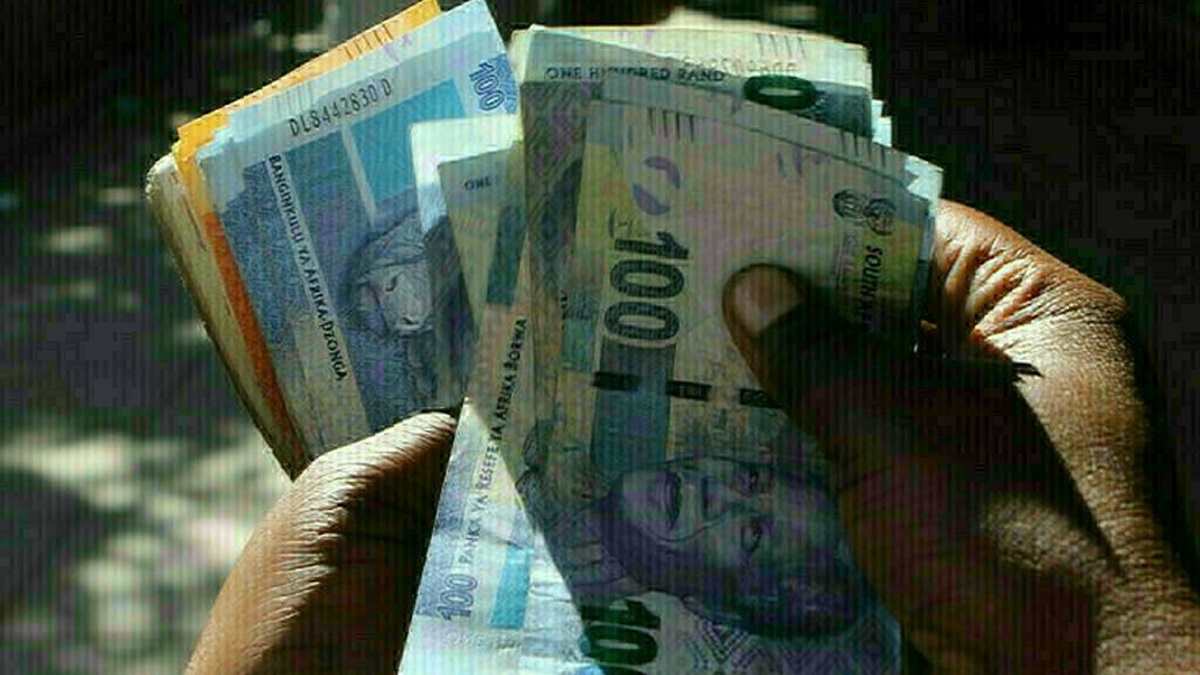
South Africa Rand Weakens as Business Indicator Declines
The South African rand weakened on Tuesday, pressured by a firmer U.S. dollar as markets continue to digest the Fed’s increasingly hawkish tone. The rand traded at 16.50 against the US dollar, down 0.6% from its previous close.
The country’s composite leading business cycle indicator fell 1.8% month on month in April, central bank data showed on Tuesday, according to the South African Reserve Bank (SARB).
The indicator collects data on vehicle sales, business confidence, the money supply, and other factors to gauge the outlook for Africa’s largest economy.
The indicator, which provides an early signal of future economic activity, fell by 1.8% in April, as business confidence weakened, building plans declined, and job advertisements slowed.
The latest SARB composite business cycle indicators fell from 121.1 in March to 118.9 in April, suggesting an economy losing momentum, though it is not necessarily in recession.
According to the SARB, eight of the 10 available components weakened, with slower money supply growth, fewer residential building plans approved, and lower business confidence among the biggest drags.
The local unit also faced pressure from a stronger dollar. The U.S. dollar strengthened against most major currencies in the European session on Tuesday, as traders focus on the Federal Reserve’s (Fed) likely intention to maintain higher interest rates for longer.
A surge in dollar demand kept its immediate trading partners on edge, with the euro slipping to a 12-month low and the British pound declining amid UK political turmoil.
Sterling could receive a brief, modest boost if former U.K. health secretary Wes Streeting becomes finance minister after Prime Minister Keir Starmer resigned, ING’s Francesco Pesole says in a note.
The Fed’s hawkish stance under new Chair Kevin Warsh has revived U.S. rate-hike bets, even as the U.S.-Iran deal pushed oil prices lower and eased global inflation concerns. Traders are largely pricing in around two quarter-point Fed hikes by the end of the year, with a 75% chance of a hike by September.
