



Oil Prices as Trump Warns Iran ‘Clock is Ticking’
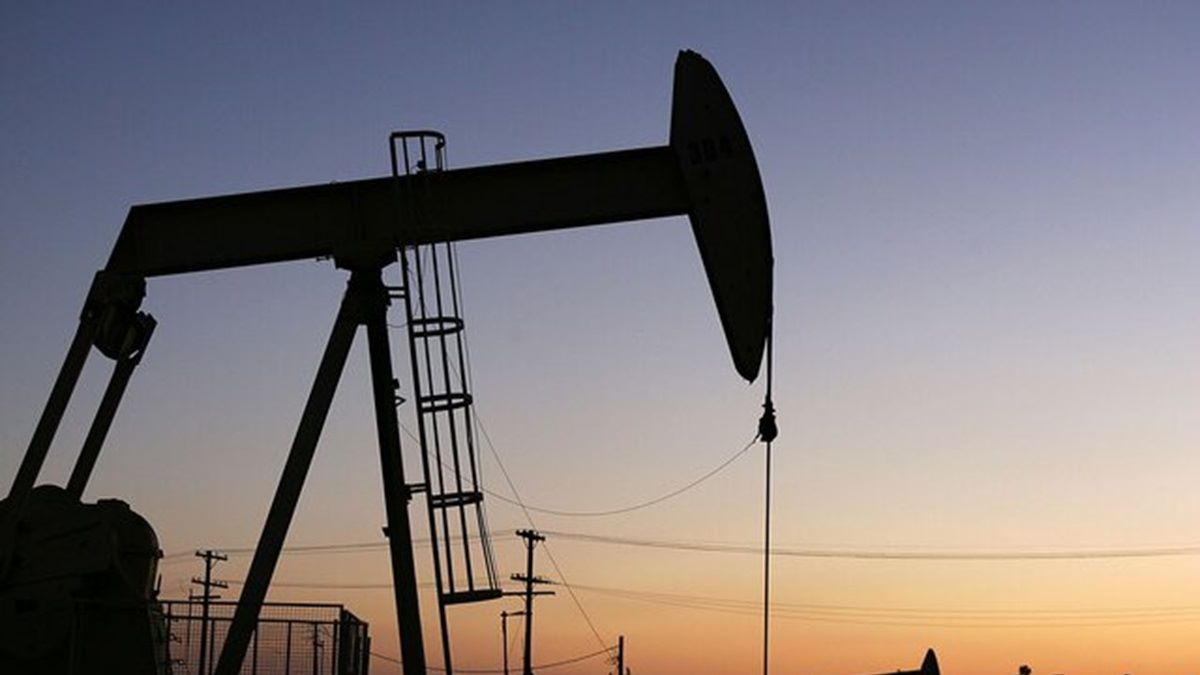
Oil prices rose on Monday as efforts to balance the global demand and supply equation continued to yield less favourable outcomes, with US President Donald Trump’s ‘clock is ticking’ warning to Iran.
Commodity prices climbed over renewed security concerns in the Middle East. The development heightened fears of a global crude supply disruption, while investors closely watched developments in the Strait of Hormuz.
International benchmark Brent crude traded at $110.73 per barrel at 10.10 a.m. local time, up around 1.3% from the previous close of $109.26.
US benchmark West Texas Intermediate (WTI) increased about 1.6% to $102.68 per barrel, compared with $101.02 in the previous session.
The gains were driven by concerns that ongoing conflicts in the Middle East could further threaten global energy supplies. Markets also remained under pressure amid fears that tensions in the region could escalate further.
Markets remained on edge despite the April 8 ceasefire agreement involving the US, Israel and Iran, as negotiations have so far failed to deliver a lasting agreement and rhetoric from both sides has continued to intensify.
Investor concerns have centered on the Strait of Hormuz, a critical transit route for global oil exports, amid fears that any renewed escalation could threaten energy flows through the region.
US President Donald Trump on Sunday warned Iran, saying the “clock is Ticking” and urging Tehran to “get moving” before “there won’t be anything left of them.” “TIME IS OF THE ESSENCE!” he said on his Truth Social media account.
Trump’s remarks came amid repeated threats for Tehran to agree to US demands for a ceasefire, which include a commitment not to enrich nuclear materials and the transfer of enriched uranium from Iranian sites to US forces and the reopening of the Strait of Hormuz.
Regional tensions have escalated since the US and Israel launched strikes against Iran on Feb. 28, triggering retaliation from Tehran against Israel, as well as US allies in the Gulf, along with the closure of the Strait of Hormuz.
The macroeconomic impact of rising oil prices is also becoming increasingly visible in inflation data across major economies. Persistent price pressures have reinforced expectations that central banks may maintain a more hawkish monetary policy stance for longer than previously anticipated.
Analysts warned that a prolonged conflict involving Iran could keep oil prices elevated for an extended period, increasing the likelihood that interest rates will remain higher for longer and adding further downside risks to the global economic outlook.
Adding to market jitters, the United Arab Emirates said Sunday that its air defense systems intercepted two drones, while a third struck an electrical generator near the Barakah Nuclear Power Plant.
“Three UAVs entered the country from the western border,” the Defense Ministry said in a statement. “Two of the UAVs were successfully intercepted, while the third struck an electrical generator outside the inner perimeter of the Barakah Nuclear Power Plant in the Al Dhafra region.”
The ministry said investigations are underway to determine the source of the attacks, and that further details would be announced after the probe is completed.
Earlier, the Abu Dhabi Media Office reported that a drone strike had caused a fire near the Barakah Nuclear Power Plant. NGX Surges by N3.34trn, Year-to-Date Return Rises to 61%