

Oil Prices Pull Back amidst U.S.–China Tariffs Face Off
Oil prices retreated in the market amidst a U.S. tariffs pause. President Donald Trump announced a 90-day pause for countries hit by higher US tariffs, but a trade war with China has escalated.
In a dramatic change of policy, just hours after levies against roughly 60 of America’s trading partners kicked in, Trump said he was authorising a universal “lowered reciprocal tariff of 10%” as negotiations continued.
At the same time, he increased tariffs on goods from China to 125%, accusing Beijing of a “lack of respect” after it retaliated by saying it would impose tariffs of 84% on US imports.
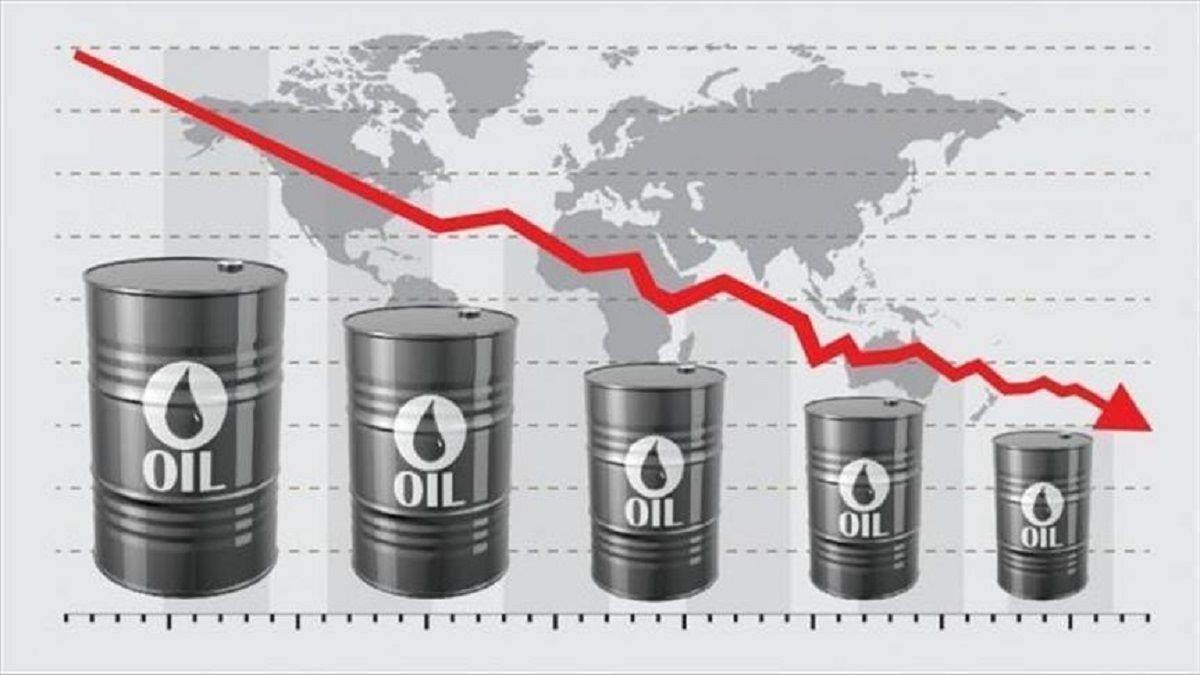
Oil prices faced renewed pressures amid escalating trade tensions between the US and China. Brent had dipped below $60 a barrel before staging a modest recovery.
Brent crude dropped by around 2.6%, trading at $63.76 per barrel. US benchmark West Texas Intermediate fell to $61.55 per barrel.
The slump followed fears of weakened global demand, sparked by China’s retaliatory tariffs in response to a wave of US import duties ordered by President Donald Trump.
Although a partial rebound was seen after Trump announced a 90-day delay in additional tariffs for some trade partners, the downward trend in prices has persisted.
Earlier this month, Washington moved to impose a 34% tariff on a wide range of Chinese imports. Beijing quickly struck back, mirroring the tariffs on US goods. As a result, Brent crude lost nearly 9% in value in the first week of April alone.
Further pressure mounted when Trump warned that China’s failure to roll back its 34% tariffs could prompt the US to introduce an additional 50% levy on Chinese imports. This statement deepened concerns over global demand and drove oil prices further down.
On April 8, China’s Ministry of Commerce vowed ‘resolute and effective measures’ against the US tariff threats. On April 9, Washington confirmed that its 50% tariff hike on Chinese goods would come into effect, adding fresh weight to an already strained market.
China’s Ministry of Finance announced on Tuesday that all US imports would be subject to an additional 50% tariff, raising the average import duty on American goods to 84%. The new tariffs are set to take effect from April 10.
Following this announcement, the price of Brent oil fell to $ 58.22 a barrel yesterday, recording its lowest level since February 2021.
However, prices rebounded sharply later in the day after President Trump confirmed that while tariffs on Chinese goods would surge to 125%, those targeting other trading partners would be frozen for 90 days. Brent crude ended the session up 6.7%, closing at $65.47 a barrel.
Despite this recovery, gains were tempered by data showing a build-up in US crude stockpiles. Energy Information Administration (EIA) announced that commercial crude inventories rose by 2.6 million barrels last week to 442.3 million barrels, higher than market expectations of a 2.2 million-barrel increase, signalling weaker demand in the world’s largest oil-consuming nation.
Meanwhile, minutes from the latest Federal Reserve (Fed) meeting revealed that policymakers now see increased upside risks to inflation.
Analysts warn that a surprise uptick in inflation could prompt the Fed to pause rate cuts. Elevated interest rates tend to dampen investor appetite for risk assets like oil, thereby exerting downward pressure on prices. #Oil Prices Pull Back amidst U.S.–China Tariffs Face Off
