
Close Menu
MarketForces AfricaMarketForces Africa
    What's Hot

    XRP Price Declines to $1.12 on Forced Liquidations, US Fed Tone

    June 19, 2026

    Oil Prices Inch Towards ‘Pre-War’ as Supply Risk Eases

    June 19, 2026

    BTC, ETH, XRP Drag Crypto Market Cap Down to $2.15trn

    June 19, 2026
    Facebook X (Twitter) Instagram
    Trending
    • XRP Price Declines to $1.12 on Forced Liquidations, US Fed Tone
    • Oil Prices Inch Towards ‘Pre-War’ as Supply Risk Eases
    • BTC, ETH, XRP Drag Crypto Market Cap Down to $2.15trn
    • OPEC Estimates 23% Global Energy Demand Growth
    • Nigeria’s Debt Office to Reopen N1.2trn Bonds for Subscription
    • Excess Liquidity Expands by 37% as Banks Lock N5trn in SDF
    • South African Rand Steady as SARB Hawkish Tone Softens
    • Intel, Nvidia Drive Wall Street Rally, FTSE 100 Declines
    • Home
    • About Us
    Facebook X (Twitter) Instagram LinkedIn WhatsApp TikTok Telegram
    MarketForces AfricaMarketForces Africa
    Subscribe
    Friday, June 19
    • Home
    • News
    • Analysis
    • Economy
    • Mobile Banking
    • Entrepreneurship
    MarketForces AfricaMarketForces Africa
    MarketForces Africa » MarketForces News » Oil Prices Inch Towards ‘Pre-War’ as Supply Risk Eases

    Oil Prices Inch Towards ‘Pre-War’ as Supply Risk Eases

    Ogochukwu NdubuisiBy Ogochukwu NdubuisiJune 19, 2026Updated:June 19, 2026 News No Comments4 Mins Read
    Oil Prices Inch Towards 'Pre-War' as Supply Risk Eases
    Share
    Facebook Twitter LinkedIn Pinterest Email Tumblr Reddit Telegram WhatsApp Copy Link

    Oil Prices Inch Towards ‘Pre-War’ as Supply Risk Eases

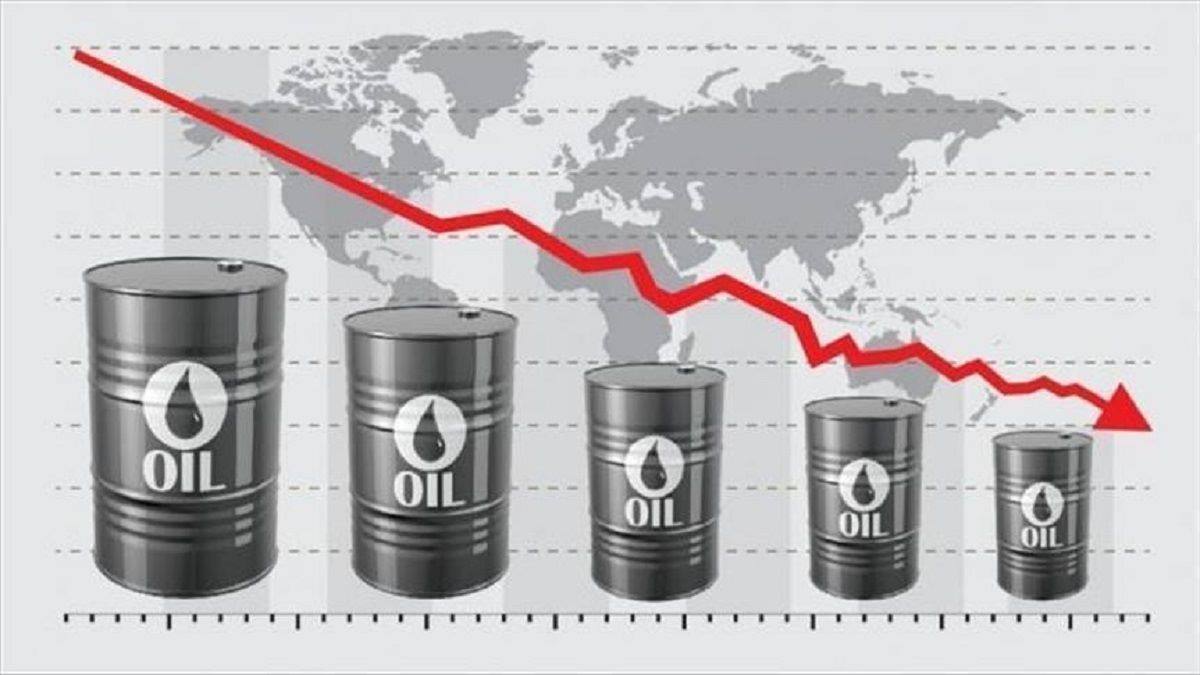
    Oil prices fell below the $80-per-barrel mark, easing toward the mid-$70s as reports of reduced US-Iran tensions eased fears of supply disruption, while analysts cautioned that a geopolitical risk premium is likely to persist.

    Brent crude declined to $76.54 per barrel and West Texas Intermediate (WTI) to $72.83 on Thursday, their lowest levels since the recent conflict period, after reports of a tentative US-Iran understanding, signed electronically, sparked expectations in global markets.

    With prices losing the $80 threshold, crude is pressured back toward pre-conflict levels. Market sentiment has improved following reports of a 14-point framework and a 60-day negotiation process aimed at de-escalation, although the arrangement has not been formally confirmed, and key details remain unclear.

    After weeks of disruption linked to the conflict between the US/Israel and Iran, considered one of the largest oil supply shocks in history, the emerging agreement has reduced the risk of an immediate supply crisis. However, it has ushered in a new phase of geopolitical uncertainty rather than eliminating it. Analysts say the next two months will show whether the easing is lasting or temporary.

    Fereydoun Barkeshli, President of the Vienna Energy Research Group, told Anadolu that uncertainty around implementation remains a key variable for pricing, noting that markets have already shown strong resilience during periods of extreme geopolitical stress.

    “I rarely met any oil analysts who didn’t anticipate the price of oil going wild when Iran closed the Strait of Hormuz. However, markets took almost everyone by surprise,” Barkeshli said, adding that futures markets and physical markets behaved differently, with the latter coming under “immense pressure.”

    He said traders are broadly confident about oil availability, but less certain about logistics and infrastructure risks. “Once that variable is known, the market is in a better position to place the price right,” he noted, adding that crude is likely to remain in the $75-85 per barrel range.

    Even as prices soften, Barkeshli stressed that a full removal of geopolitical risk pricing is unlikely. Shipping and insurance costs, he said, will continue to reflect the “Hormuz factor” for an extended period, while alternative transport routes remain structurally expensive and time-sensitive.

    Andres Cala, geopolitical energy analyst with Montel, also cautioned that short-term price relief may not reflect the medium-term reality.

    “Oil and gas prices are pricing in relief, removing part of the war premium on the assumption that Hormuz will gradually reopen and flows will eventually normalize. In my view, that optimism may prove overplayed,” he said.

    Cala added that Iran is unlikely to give up key elements of its strategic leverage, including “nuclear breakout potential, some form of influence over Hormuz and associated revenues, and a missile deterrent capable of reaching across the region.” “Those are not bargaining chips, but the architecture of its deterrence,” he said.

    He also noted that while easing tensions can support prices in the short run, structural risks in the region mean energy markets are likely to remain elevated over the medium term.

    The result is that “while prices may ease in the short term, oil and gas are likely to remain structurally elevated over the medium and long term until irreversible agreements are reached,” Cala said, adding that even then, Israel retains the ability to destabilize the process through Lebanon or elsewhere, and there is little evidence Washington can fully constrain that risk.

    According to independent research and energy intelligence company Rystad Energy, four scenarios are now shaping expectations for the coming months.

    The most likely outcome, with a 55% probability, is a limited agreement within the 60-day period. In this case, oil flows through the Strait of Hormuz are expected to recover to around 10 million barrels per day (bpd) by January, while a geopolitical risk premium of $5-10 per barrel would likely remain embedded in prices.

    A second scenario, assigned a 25% probability, assumes that a comprehensive deal is not reached but a ceasefire holds. Under this case, flows through Hormuz could remain constrained at around 5 million bpd, sustaining a $10 risk premium.

    If negotiations fail and conflict resumes, analysts warn that the risk premium could rise sharply to $15-20 per barrel, though this outcome is seen as relatively unlikely at 10%.

    A full-scale nuclear agreement represents another low-probability scenario – with 10% – under which oil flows through the Strait of Hormuz could rise to 14 million bpd, largely eliminating the risk premium and restoring stability to global oil markets. Crude Oil Prices Fall Below $80 as Supply Risk Eases

    oIL
    Share. Facebook Twitter Pinterest LinkedIn Tumblr Email
    Ogochukwu Ndubuisi
    • Website
    • Facebook
    • X (Twitter)
    • LinkedIn

    Ogochukwu Ndubuisi is an editorial content strategist and financial news writer at MarketForces Africa, covering a broad range of topics including Nigeria's equity markets, infrastructure development, energy, government policy, corporate finance, and digital economy.With over 2,400 published articles on MarketForces Africa, Ogochi brings depth and consistency to the publication's daily news coverage.Her reporting spans Nigerian Exchange Group market movements, Lagos State infrastructure projects, and federal government economic policies, oil and gas developments, and emerging sectors shaping Nigeria's economic landscape.She also covers Africa-wide stories, including East African market indices, continental investment trends, and cross-border economic developments.Ogochi works closely with MarketForces Africa's editorial and corporate communications teams to deliver accurate, timely, and well-researched content to the publication's professional readership.Ogochukwu Ndubuisi is based in Lagos, Nigeria.

    Keep Reading

    XRP Price Declines to $1.12 on Forced Liquidations, US Fed Tone

    BTC, ETH, XRP Drag Crypto Market Cap Down to $2.15trn

    OPEC Estimates 23% Global Energy Demand Growth

    Nigeria’s Debt Office to Reopen N1.2trn Bonds for Subscription

    Excess Liquidity Expands by 37% as Banks Lock N5trn in SDF

    South African Rand Steady as SARB Hawkish Tone Softens

    Add A Comment

    Comments are closed.

    Editors Picks

    XRP Price Declines to $1.12 on Forced Liquidations, US Fed Tone

    June 19, 2026

    Oil Prices Inch Towards ‘Pre-War’ as Supply Risk Eases

    June 19, 2026

    BTC, ETH, XRP Drag Crypto Market Cap Down to $2.15trn

    June 19, 2026

    OPEC Estimates 23% Global Energy Demand Growth

    June 19, 2026

    Nigeria’s Debt Office to Reopen N1.2trn Bonds for Subscription

    June 19, 2026
    Latest Posts

    XRP Price Declines to $1.12 on Forced Liquidations, US Fed Tone

    June 19, 2026

    BTC, ETH, XRP Drag Crypto Market Cap Down to $2.15trn

    June 19, 2026

    OPEC Estimates 23% Global Energy Demand Growth

    June 19, 2026

    Nigeria’s Debt Office to Reopen N1.2trn Bonds for Subscription

    June 19, 2026

    Excess Liquidity Expands by 37% as Banks Lock N5trn in SDF

    June 19, 2026

    Subscribe to News

    Get the latest sports news from Dmarketforces Africa about finance, business and tech.

    Advertisement
    Facebook X (Twitter) Pinterest Vimeo WhatsApp TikTok Instagram

    News

    • World
    • Politics
    • Economy
    • Business
    • Opinions
    • Fintech
    • Science & Technology

    Company

    • About us
    • Advertising
    • Classified Ads
    • Contact Info
    • Editorial Policy

    Services

    • Subscriptions
    • Research
    • Due Diligence
    • Newsletters
    • Sponsored News
    • Work With Us

    Subscribe to Updates

    Subscribe to updates from MarketForces Africa, an independent financial news service provider.

    © 2026 MarketForces Africa. All rights reserved.
    • Privacy Policy
    • Terms
    • Accessibility

    Type above and press Enter to search. Press Esc to cancel.