

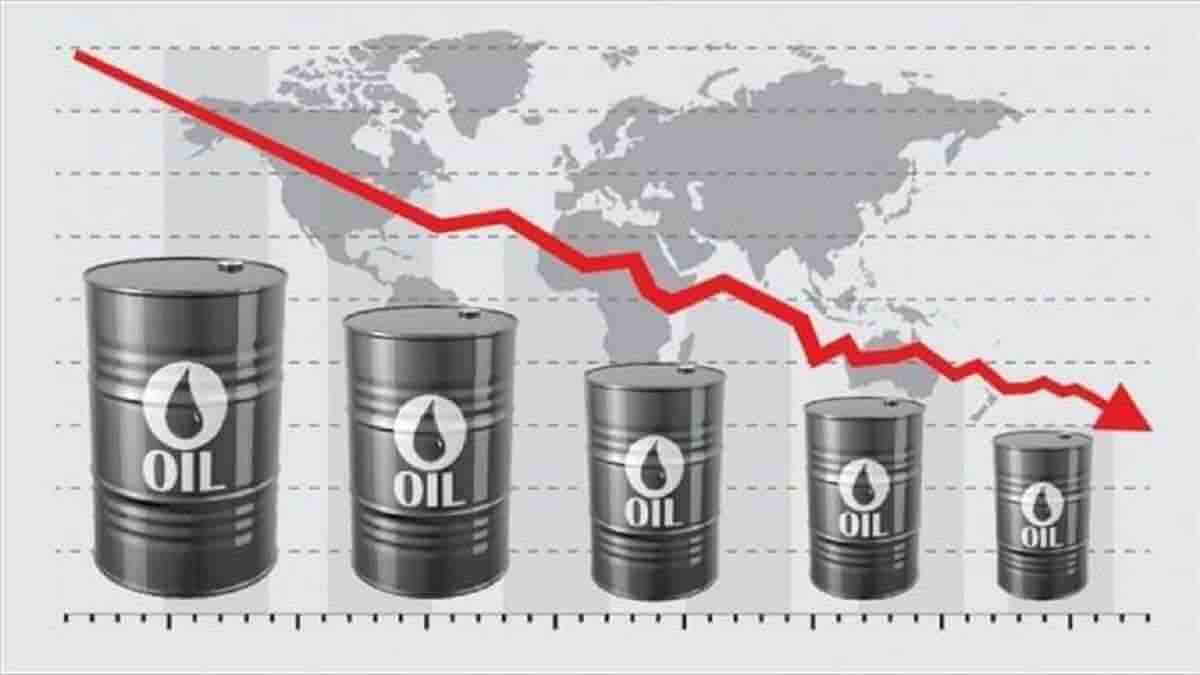
Oil Market Reacts to U.S-Iran Talks, OPEC+ Forceful Compliance
Oil prices declined on Tuesday as the ongoing tension between Iran and the United States (U.S) in negotiations to revive the 2015 nuclear agreement and lift Iranian oil export sanctions raised investor caution.
However, Goldman Sachs still expects crude oil to rise to $80 per barrel by the end of the year despite reports about progress on U.S.- Iranian talks about the lifting of sanctions.
According to a note released by the bank’s analysts, the recovery in demand made possible by mass vaccinations will offset the effect of additional supply volumes from Iran, per a Reuters report.
This comes along as the Organisation of Petroleum Exporting Countries and allies (OPEC+) seeks to enforce compliance with production quotas among members. “Seven out of 10 OPEC+ compliance laggards have not yet submitted updated plans on how they will compensate for their overproduction in recent months”, Energy Intelligence said in a report.
International benchmark Brent crude was trading at $68.12 per barrels, declined 0.36%. American benchmark West Texas Intermediate (WTI) was at $65.78 per barrel at the same time for a 0.40% fall after ending the previous session at $66.05 a barrel.
The downward oil price movement was driven by the toing and froing between Iran and the US in negotiations on potentially lifting the current US sanctions on Iranian oil exports and the US’s return to the 2015 nuclear deal, leading investors to take a “wait and see” stance.
Iranian President Hassan Rouhani said Monday the US has no other option than to lift all sanctions on Iran, which violates the 2015 nuclear deal with world powers.
Iranian Foreign Minister Javad Zarif urged the US administration on Monday to lift current sanctions against Iran, which were imposed under former US President Donald Trump.
Investor optimism limits further price declines
The possibility of a return of Iranian crude to global markets was countered by optimism that the markets were now ready to absorb more barrels based on the pace and the course of the vaccination campaigns.
According to new data from the Centers for Disease Control and Prevention (CDC), 25 US states, which is half of the country, as well as Washington D.C., have fully vaccinated at least 50% of their adult population as of Sunday.
The market optimism was fueled by positive forecasts on recovering demand.
Even with a possible resumption of Iranian supplies, Goldman Sachs forecast oil prices would rise to $80 per barrel in the fourth quarter of this year, noting that the market has miscalculated a recovery in demand.
OPEC+ Seek Compliance
According to Energy Intelligence, seven out of 10 OPEC+ compliance laggards have not yet submitted updated plans on how they will compensate for their overproduction in recent months.
The grumbling about their failure to fully comply with OPEC+ production cuts shows that enforcement remains a top priority for the alliance as it tries to maintain its support for oil prices while gradually increasing its output.
Congo (Brazzaville), Azerbaijan, Brunei, Russia, Kazakhstan, Sudan and South Sudan have not yet submitted plans on how to compensate for their previous overproduction, according to OPEC sources.
Iraq, Equatorial Guinea and Gabon have also overproduced but have submitted plans for additional “catch-up” cuts to wipe out their deficit and return to compliance.
The sources added that the Opec Secretariat sent out a letter to members of the alliance on May 17 to remind them to submit their plans to get back on track.
Energy Intelligence calculations based on numbers from the Opec Secretariat show that the 10 laggards overproduced by a combined average of just over 300,000 barrels per day in the 12 months ending Apr. 30.
That amounts to cumulative overproduction of about 112 million barrels for the first year of the Opec-plus production cuts which started on May 1 of last year.
At the latest meeting of Opec-plus ministers it was agreed that the laggards would be given until the end of September to clear that backlog. Meanwhile, they must also implement their share of the cuts agreed for the second year of the agreement which runs until the end of April 2022.
The combined overproduction among OPEC members of the alliance amounted to just over 120,000 b/d for the 12 months through Apr. 30, while the surplus output of the non-Opec members was a little more than 180,000 b/d (IOD May12’21).
Opec-plus sources and observers have expressed doubts that Russia will submit any plans to make up for its overproduction, which worked out at an average of just over 80,000 b/d for the 12 months to Apr. 30.
That is the largest volume among all of the laggards, although fairly small as a percentage of Russia’s total production.
Russia exceeded its Opec-plus ceiling by more than 140,000 b/d in April but has said it will do much better in May (OMI May19’21).
Energy Intelligence understands that Russia believes a compliance rate of 95%-96% is good enough, while Saudi Arabia — the other heavyweight producer in the alliance — seems to grudgingly accept that as the price of maintaining Russia’s continued support for participation in the OPEC+ cuts.
Overall compliance with the Opec-plus production cuts amounted to 110% in April, but was down from 113% in March, according to Energy Intelligence data.
However, those numbers included an additional voluntary cut of 1 million b/d by Saudi Arabia which will be gradually reversed in May-July. The official OPEC+ production ceiling will also be gradually raised in those three months.
The alliance is keeping a close eye on talks between the US and Iran in Vienna that could lead to a sharp rise in Iranian oil production and exports if a deal is reached to revive the 2015 nuclear deal and lift US sanctions (related).
Industry sources say the return of Iranian oil to the global market would lead to even fiercer competition among producers to secure market share, especially in Asia.
Oil Market Reacts to U.S-Iran Talks, OPEC+ Forceful Compliance
