
Close Menu
MarketForces AfricaMarketForces Africa
    What's Hot

    Q2 Results in Limbo: How Long Can Investors Wait?

    September 10, 2026

    AfDB, African Deposit Funds Partner to Mobilise Long-Term Financing for Development

    September 10, 2026

    Trump Suggests Renaming Strait of Hormuz to ‘Trump Strait’

    September 10, 2026
    Facebook X (Twitter) Instagram
    Trending
    • Q2 Results in Limbo: How Long Can Investors Wait?
    • AfDB, African Deposit Funds Partner to Mobilise Long-Term Financing for Development
    • Trump Suggests Renaming Strait of Hormuz to ‘Trump Strait’
    • NGX at Crossroads: Profit-Taking, Rebalancing and the New Search for Value
    • South African Rand Steadies After Disappointing GDP Data
    • Wall St. Down, European Stocks Take Steeper Hit from Energy Cost Surge
    • Oil Prices Hover Above $100, Strait of Hormuz Vessel Traffic Declines
    • Anthropic Tokenized Stock Up 5% on Sector-wide Momentum
    • Home
    • About Us
    Facebook X (Twitter) Instagram LinkedIn WhatsApp TikTok Telegram
    MarketForces AfricaMarketForces Africa
    Subscribe
    Thursday, September 10
    • Home
    • News
    • Analysis
    • Economy
    • Mobile Banking
    • Entrepreneurship
    MarketForces AfricaMarketForces Africa
    MarketForces Africa » Economy » Nigerian Economy Recovering from Historic Downturn –IMF

    Nigerian Economy Recovering from Historic Downturn –IMF

    Marketforces AfricaBy Marketforces AfricaNovember 19, 2021Updated:March 26, 2022 Economy No Comments3 Mins Read
    Nigerian Economy Recovering from Historic Downturn –IMF
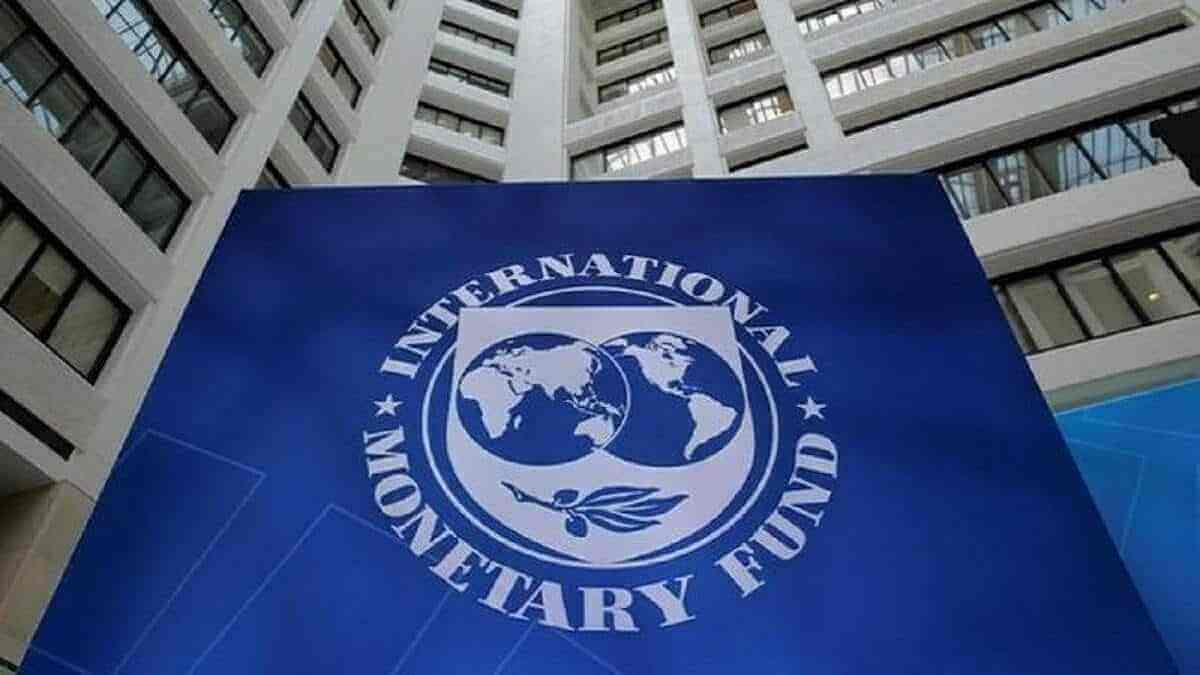
    IMF
    Share
    Facebook Twitter LinkedIn Pinterest Email Tumblr Reddit Telegram WhatsApp Copy Link

    Nigerian Economy Recovering from Historic Downturn –IMF

    The Nigerian economy is recovering from a historic downturn benefiting from government policy support, rising oil prices and international financial assistance, the International Monetary Fund said in a statement on Friday.

    According to IMF, the authorities’ proactive approach has contained the COVID-19 infection rates and fatalities, saying Nigeria is likely to grow by 2.6% this year in a “subdued” recovery from last year’s recession.

    The fund, which had said it was likely to revise up its 1.5% growth projection for 2021, said the pace of recovery was still limited, given Nigeria’s rising population.

    “This is just above the population growth rate, implying stagnant per capita income in the medium term,” it said.

    The IMF, in a statement following a mission to Africa’s largest economy, also repeated its long-running calls to scrap costly fuel and electricity subsidies and said some reforms were needed as soon as possible.

    Nigeria’s economy expanded 4.03% in the third quarter, the National Bureau of Statistics (NBS) said earlier this week, the fourth consecutive quarter of growth.

    With the emergence of fuel subsidies and slow progress on revenue mobilization, the fiscal outlook faces significant risks, IMF said. It also noted that continued reliance on administrative measures to address persistent foreign exchange shortages is negatively impacting confidence.

    “Without urgent fiscal and exchange rate reforms, the medium-term outlook faces sub-par growth”, it said. The economy is recovering from a historic downturn. The recovery is noted to be helped by government policy support, rebounding oil prices and international financial aid, Nigeria exited the recession in Q4-2020, earlier than expected.

    Output rose by 5.4 per cent year on year in the second quarter, mainly reflecting base effects from transport and trade sectors and continued strong growth in the IT sector. However, manufacturing and oil sectors remain weak, reflecting continued foreign exchange shortages, and security and technical challenges.

    Headline inflation rose sharply during the pandemic reaching a peak of 18.2 per cent year on year in March 2021 but has since declined helped by the new harvest season and opening of the land borders.

    Reported unemployment rates are yet to come down although COVID-19 monthly surveys show the employment level to be back at its pre-pandemic level.

    The COVID-19 pandemic has been well managed but there is a lasting imprint on the vulnerable, the multilateral lender stated, adding that as much of the rest of Sub-Saharan Africa (SSA), Nigeria underwent a third wave of the pandemic in August 2021.

    IMF said the authorities’ proactive actions, including a robust infection tracking system and a national strategy for vaccine procurement and rollout, have helped keep infection rates and fatalities lower than in many other countries.

    The economic and social impacts of the pandemic have been more daunting with rising food insecurity and an increase in the already-high levels of poverty.

    Significant progress has been made in vaccine procurement. However, less than 3 per cent of the eligible population has been fully vaccinated reflecting limited vaccine supply, delivery bottlenecks and high vaccine hesitancy.  #Nigerian Economy Recovering from Historic Downturn –IMF

    Read Also: Oil: OPEC Maintains Demand Growth Expectation for 2021

    Central Bank of Nigeria Investors Nigeria
    Share. Facebook Twitter Pinterest LinkedIn Tumblr Email
    Marketforces Africa
    • Website
    • Facebook
    • X (Twitter)
    • Instagram
    • LinkedIn

    MarketForces Africa, a Financial News Media Platform for Strategic Opinions about Economic Policies, Strategy & Corporate Analysis from today's Leading Professionals, Equity Analysts, Research Experts, Industrialists and, Entrepreneurs on the Risk and Opportunities Surrounding Industry Shaping Businesses and Ideas.

    Keep Reading

    Q2 Results in Limbo: How Long Can Investors Wait?

    Nigeria’s Total Trade Rises 5.2% in Q2 2026 – NBS

    NCS on Track to Achieve N11trn Annual Revenue Target – Oyedele

    Dangote’s Fuel Price Explanation Does Not Match Timing of Its Own Increases -EBC

    Nigeria’s Foreign Reserves Top $54bn, Extend Import Cover

    HBM Nigeria – A Brick in Construction of Value Investors’ Portfolio -WSTC

    Add A Comment

    Comments are closed.

    Editors Picks

    Q2 Results in Limbo: How Long Can Investors Wait?

    September 10, 2026

    AfDB, African Deposit Funds Partner to Mobilise Long-Term Financing for Development

    September 10, 2026

    Trump Suggests Renaming Strait of Hormuz to ‘Trump Strait’

    September 10, 2026

    NGX at Crossroads: Profit-Taking, Rebalancing and the New Search for Value

    September 10, 2026

    South African Rand Steadies After Disappointing GDP Data

    September 10, 2026
    Latest Posts

    Q2 Results in Limbo: How Long Can Investors Wait?

    September 10, 2026

    Nigeria’s Total Trade Rises 5.2% in Q2 2026 – NBS

    September 8, 2026

    NCS on Track to Achieve N11trn Annual Revenue Target – Oyedele

    September 7, 2026

    Dangote’s Fuel Price Explanation Does Not Match Timing of Its Own Increases -EBC

    September 7, 2026

    Nigeria’s Foreign Reserves Top $54bn, Extend Import Cover

    September 7, 2026

    Subscribe to News

    Get the latest sports news from Dmarketforces Africa about finance, business and tech.

    Advertisement
    Facebook X (Twitter) Pinterest Vimeo WhatsApp TikTok Instagram

    News

    • World
    • Politics
    • Economy
    • Business
    • Opinions
    • Fintech
    • Science & Technology

    Company

    • About us
    • Advertising
    • Classified Ads
    • Contact Info
    • Editorial Policy

    Services

    • Subscriptions
    • Research
    • Due Diligence
    • Newsletters
    • Sponsored News
    • Work With Us

    Subscribe to Updates

    Subscribe to updates from MarketForces Africa, an independent financial news service provider.

    © 2026 MarketForces Africa. All rights reserved.
    • Privacy Policy
    • Terms
    • Accessibility

    Type above and press Enter to search. Press Esc to cancel.