
Close Menu
MarketForces AfricaMarketForces Africa
    What's Hot

    IMF: FG Dismisses Report on New Telecom, Fuel Taxes

    June 17, 2026

    G7 leaders to Discuss Global Economic Recovery

    June 17, 2026

    South Africa’s Inflation Rises to 4.5% in May

    June 17, 2026
    Facebook X (Twitter) Instagram
    Trending
    • IMF: FG Dismisses Report on New Telecom, Fuel Taxes
    • G7 leaders to Discuss Global Economic Recovery
    • South Africa’s Inflation Rises to 4.5% in May
    • Crude Oil Prices Fall Below $80 as Supply Risk Eases
    • South African Rand Strengthens Ahead of Inflation
    • Wall Street, FTSE 100 Mixed Ahead of Fed Rates Decision
    • XRP Price Slides Amidst Ripple’s Strategic Investment in Flutterwave
    • Apapa Customs Intercepts ₦12.7bn Cannabis Sativa, Expired Drugs
    • Home
    • About Us
    Facebook X (Twitter) Instagram LinkedIn WhatsApp TikTok Telegram
    MarketForces AfricaMarketForces Africa
    Subscribe
    Wednesday, June 17
    • Home
    • News
    • Analysis
    • Economy
    • Mobile Banking
    • Entrepreneurship
    MarketForces AfricaMarketForces Africa
    MarketForces Africa » Oil and Gas » Nigeria Cannot Decarbonise to Poverty — Minister

    Nigeria Cannot Decarbonise to Poverty — Minister

    Olu AnisereBy Olu AnisereNovember 5, 2025Updated:November 5, 2025 Oil and Gas No Comments3 Mins Read
    Nigeria Cannot Decarbonise to Poverty — Minister
    Share
    Facebook Twitter LinkedIn Pinterest Email Tumblr Reddit Telegram WhatsApp Copy Link

    Nigeria Cannot Decarbonise to Poverty — Minister

    The Minister of State for Petroleum Resources (Gas), Dr Ekperikpe Ekpo, says Nigeria and Africa must pursue energy transition based on national realities.

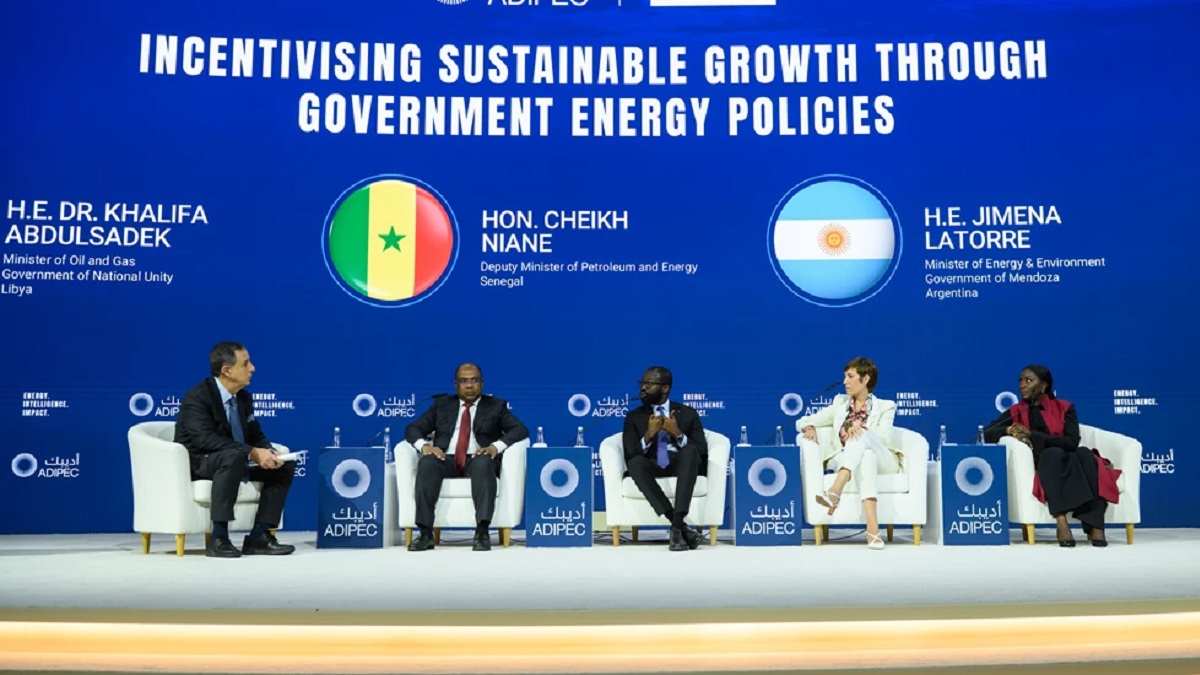
    Ekpo said this on Wednesday during a ministerial panel session on “Global Shifts: Navigating an Era of Diverging Priorities” at the ongoing 2025 Abu Dhabi International Petroleum Exhibition and Conference (ADIPEC).

    He said that Nigeria and indeed Africa must be allowed to use their resources responsibly rather than externally imposed pathways that could undermine economic stability.

    ”Our position is clear; Nigeria and Africa cannot decarbonise to poverty. We must be allowed to use our resources responsibly to provide energy security, drive industrialisation, and ensure sustainable growth,” he said.

    He emphasised that while Nigeria supports global decarbonisation goals, energy transition must be ”sequential, just, and balanced”,  adding that the continent could not afford to decarbonise at the expense of development.

    ”For Nigeria today, about 80 million people are without access to electricity, and across Africa, more than 600 million still live without power.

    “Millions also rely on biomass for cooking, which is not clean. Gas remains central to Nigeria’s energy strategy, serving as a low-emission fuel for power generation, industrialisation, transportation, and clean cooking,” he said.

    The minister revealed that Nigeria was expanding renewable energy deployment in viable areas to complement natural gas utilisation and reduce carbon emissions.

    He said that while renewables were part of the country’s energy mix, heavy industrial and power loads could not yet be met solely through renewable sources.

    ”We are therefore taking advantage of our abundant natural gas to power our economy and ensure a just and inclusive energy transition,” he added.

    The News Agency of Nigeria (NAN) reports that the global energy industry is entering a new phase, defined by recalibration rather than acceleration, as governments seek to reconcile sustainability targets with the realities of affordability, access, and security.

    Amid this complexity, energy leaders are reshaping their strategies to sustain economic resilience, advancing renewables and power sector reform while modernising legacy systems to ensure reliability and investment continuity.

    The resurgence of hydrocarbons, volatility in critical minerals, and renewed regional competition for energy supply are further compelling governments to strengthen domestic capacity and pursue pragmatic cooperation across borders.

    Against this backdrop the core question is not whether to decarbonise, but how to align goals with growth, fiscal stability, and social development. Aradel Profit Soars by 122% in Q3, Declares Interim Dividend

    decarbonise Energy
    Share. Facebook Twitter Pinterest LinkedIn Tumblr Email
    Olu Anisere
    • Website
    • LinkedIn

    Olu Anisere is a financial and economic journalist at MarketForces Africa, specialising in African macroeconomic policy, international finance, energy markets, and continental development.He covers major multilateral institutions, including the International Monetary Fund (IMF), World Bank, and the United Nations Economic Commission for Africa (ECA), providing readers with frontline reporting on policies shaping Africa's economic trajectory.Olu has reported extensively on Nigeria's fiscal and monetary policy landscape, including CBN interest rate decisions, Nigeria's bond market, FX inflows, and the country's engagement with global financial institutions.His coverage spans IMF and World Bank Spring and Annual Meetings, African Ministers of Finance conferences, and high-level economic forums where Africa's development agenda is set.His reporting captures perspectives from Africa's most influential economic voices, including Tony Elumelu, senior IMF officials, and CBN leadership, bringing institutional insight and policy depth to MarketForces Africa's readers.Olu also covers Inside Africa — tracking economic, investment, and development stories from across the continent. Olu Anisere is based in Lagos, Nigeria.

    Keep Reading

    IMF: FG Dismisses Report on New Telecom, Fuel Taxes

    G7 leaders to Discuss Global Economic Recovery

    South Africa’s Inflation Rises to 4.5% in May

    Crude Oil Prices Fall Below $80 as Supply Risk Eases

    South African Rand Strengthens Ahead of Inflation

    Wall Street, FTSE 100 Mixed Ahead of Fed Rates Decision

    Add A Comment

    Comments are closed.

    Editors Picks

    IMF: FG Dismisses Report on New Telecom, Fuel Taxes

    June 17, 2026

    G7 leaders to Discuss Global Economic Recovery

    June 17, 2026

    South Africa’s Inflation Rises to 4.5% in May

    June 17, 2026

    Crude Oil Prices Fall Below $80 as Supply Risk Eases

    June 17, 2026

    South African Rand Strengthens Ahead of Inflation

    June 17, 2026
    Latest Posts

    IMF: FG Dismisses Report on New Telecom, Fuel Taxes

    June 17, 2026

    G7 leaders to Discuss Global Economic Recovery

    June 17, 2026

    South Africa’s Inflation Rises to 4.5% in May

    June 17, 2026

    Crude Oil Prices Fall Below $80 as Supply Risk Eases

    June 17, 2026

    South African Rand Strengthens Ahead of Inflation

    June 17, 2026

    Subscribe to News

    Get the latest sports news from Dmarketforces Africa about finance, business and tech.

    Advertisement
    Facebook X (Twitter) Pinterest Vimeo WhatsApp TikTok Instagram

    News

    • World
    • Politics
    • Economy
    • Business
    • Opinions
    • Fintech
    • Science & Technology

    Company

    • About us
    • Advertising
    • Classified Ads
    • Contact Info
    • Editorial Policy

    Services

    • Subscriptions
    • Research
    • Due Diligence
    • Newsletters
    • Sponsored News
    • Work With Us

    Subscribe to Updates

    Subscribe to updates from MarketForces Africa, an independent financial news service provider.

    © 2026 MarketForces Africa. All rights reserved.
    • Privacy Policy
    • Terms
    • Accessibility

    Type above and press Enter to search. Press Esc to cancel.