

GMO: We Are Also Consumers, Cannot Develop Poison, Scientists Say
Some Nigerian scientists in the biotechnology space have dismissed the controversies surrounding Genetically Modified Organisms(GMOs) as unfounded, saying they are also consumers therefore cannot develop poison.
In interviews with the News Men in Abuja on Wednesday, the experts said that GMOs had come to stay in Nigeria.
Prof. Abdullahi Mustapha, Director-General, National Biotechnology Research and Development Agency (NBRDA), challenged critics to produce evidence of the toxicity of GMOs.
“Science is not hearsay but factual. There is control across the globe for the production of everything relating to GMO scientifically.
“GMO is safe; we have the National Biosafety Management Agency (NBMA) that controls these GMOs in Nigeria right from start of research to the final point.
“The NBMA still controls whatever step that is being taken, and before the onset of the research, statistics and protocols to be followed would be given,’’ he told.
Mustapha explained that research take a long time to be accomplished, hence every step of safety relating to GMOs was followed before they were introduced into the food family.
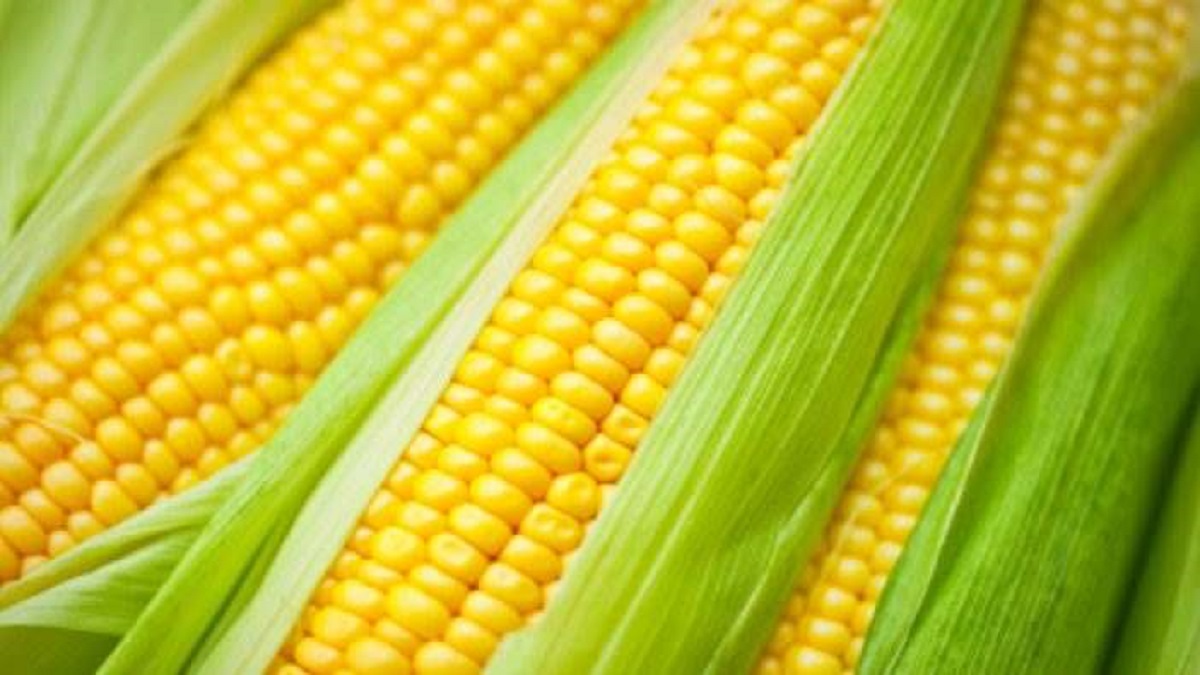
“I’m sure people have eaten GMOs for a long time without knowing. The cornflakes they are eating and the corn produced in the United States, Brazil and Argentina are 98 per cent GMOs,’’ he said.
According to him, biotechnology is the future for Nigeria’s development because it cuts across all sectors of the economy.
He said that with the genetically modified beans that released in the country, there was the possibility that Nigeria was would no longer face shortage in beans production which had previously led to its importation.
He expressed optimism that with the genetically modified maize known as TELA Maize, Nigeria would also stop maize importation.
Prof. Mohammed Ishiyaku, Scientist at the Institute for Agricultural Research, Ahmadu Bello University, Zaria and Principal Investigator, Pod Borer Resistant (PBR) Cowpea in Nigeria, assured Nigerians on the safety of GMOs.
Ishiyaku said: “ I want to assure Nigerians and people of the world that we have taken all the measures to satisfy the concerns of people about the safety of the cowpea.’’
“We have followed all the internationally accepted scientific procedures and have come to the conclusion that genetically modified beans are as safe as any beans.’’
Dr Rose Gidado, Director, Agricultural Biotechnology Department of the NBRDA, also told NAN that the issue of GMO had regrettably been shrouded with falsehood thereby creating fear in among Nigerians.
She said Nigerian scientists could not develop poison and give to fellow citizens, adding that there was no reason to develop harmful crops.
“It doesn’t make sense. We are part of the consumers; they will kill us first because we are also eating them. “The genetically modified beans are what we eat in my house and there is no side effect.
“So, all those rumour making the rounds that it causes cancer are all lies, not founded on science,’’ she said. #GMO: We Are Also Consumers, Cannot Develop Poison, Scientists Say
Some Nigerian scientists in the biotechnology space have dismissed the controversies surrounding Genetically Modified Organisms(GMOs) as unfounded, saying they are also consumers therefore cannot develop poison.
In interviews with the News Men in Abuja on Wednesday, the experts said that GMOs had come to stay in Nigeria.
Prof. Abdullahi Mustapha, Director-General, National Biotechnology Research and Development Agency (NBRDA), challenged critics to produce evidence of the toxicity of GMOs.
“Science is not hearsay but factual. There is control across the globe for the production of everything relating to GMO scientifically.
“GMO is safe; we have the National Biosafety Management Agency (NBMA) that controls these GMOs in Nigeria right from start of research to the final point.
“The NBMA still controls whatever step that is being taken, and before the onset of the research, statistics and protocols to be followed would be given,’’ he told.
Mustapha explained that research take a long time to be accomplished, hence every step of safety relating to GMOs was followed before they were introduced into the food family.
“I’m sure people have eaten GMOs for a long time without knowing. The cornflakes they are eating and the corn produced in the United States, Brazil and Argentina are 98 per cent GMOs,’’ he said.
According to him, biotechnology is the future for Nigeria’s development because it cuts across all sectors of the economy.
He said that with the genetically modified beans that released in the country, there was the possibility that Nigeria was would no longer face shortage in beans production which had previously led to its importation.
He expressed optimism that with the genetically modified maize known as TELA Maize, Nigeria would also stop maize importation.
Prof. Mohammed Ishiyaku, Scientist at the Institute for Agricultural Research, Ahmadu Bello University, Zaria and Principal Investigator, Pod Borer Resistant (PBR) Cowpea in Nigeria, assured Nigerians on the safety of GMOs.
Ishiyaku said: “ I want to assure Nigerians and people of the world that we have taken all the measures to satisfy the concerns of people about the safety of the cowpea.’’
“We have followed all the internationally accepted scientific procedures and have come to the conclusion that genetically modified beans are as safe as any beans.’’
Dr Rose Gidado, Director, Agricultural Biotechnology Department of the NBRDA, also told NAN that the issue of GMO had regrettably been shrouded with falsehood thereby creating fear in among Nigerians.
She said Nigerian scientists could not develop poison and give to fellow citizens, adding that there was no reason to develop harmful crops.
“It doesn’t make sense. We are part of the consumers; they will kill us first because we are also eating them. “The genetically modified beans are what we eat in my house and there is no side effect.
“So, all those rumour making the rounds that it causes cancer are all lies, not founded on science,’’ she said. #GMO: We Are Also Consumers, Cannot Develop Poison, Scientists Say
Some Nigerian scientists in the biotechnology space have dismissed the controversies surrounding Genetically Modified Organisms(GMOs) as unfounded, saying they are also consumers therefore cannot develop poison.
In interviews with the News Men in Abuja on Wednesday, the experts said that GMOs had come to stay in Nigeria.
Prof. Abdullahi Mustapha, Director-General, National Biotechnology Research and Development Agency (NBRDA), challenged critics to produce evidence of the toxicity of GMOs.
“Science is not hearsay but factual. There is control across the globe for the production of everything relating to GMO scientifically.
“GMO is safe; we have the National Biosafety Management Agency (NBMA) that controls these GMOs in Nigeria right from start of research to the final point.
“The NBMA still controls whatever step that is being taken, and before the onset of the research, statistics and protocols to be followed would be given,’’ he told.
Mustapha explained that research take a long time to be accomplished, hence every step of safety relating to GMOs was followed before they were introduced into the food family.
“I’m sure people have eaten GMOs for a long time without knowing. The cornflakes they are eating and the corn produced in the United States, Brazil and Argentina are 98 per cent GMOs,’’ he said.
According to him, biotechnology is the future for Nigeria’s development because it cuts across all sectors of the economy.
He said that with the genetically modified beans that released in the country, there was the possibility that Nigeria was would no longer face shortage in beans production which had previously led to its importation.
He expressed optimism that with the genetically modified maize known as TELA Maize, Nigeria would also stop maize importation.
Prof. Mohammed Ishiyaku, Scientist at the Institute for Agricultural Research, Ahmadu Bello University, Zaria and Principal Investigator, Pod Borer Resistant (PBR) Cowpea in Nigeria, assured Nigerians on the safety of GMOs.
Ishiyaku said: “ I want to assure Nigerians and people of the world that we have taken all the measures to satisfy the concerns of people about the safety of the cowpea.’’
“We have followed all the internationally accepted scientific procedures and have come to the conclusion that genetically modified beans are as safe as any beans.’’
Dr Rose Gidado, Director, Agricultural Biotechnology Department of the NBRDA, also told NAN that the issue of GMO had regrettably been shrouded with falsehood thereby creating fear in among Nigerians.
She said Nigerian scientists could not develop poison and give to fellow citizens, adding that there was no reason to develop harmful crops.
“It doesn’t make sense. We are part of the consumers; they will kill us first because we are also eating them. “The genetically modified beans are what we eat in my house and there is no side effect.
“So, all those rumour making the rounds that it causes cancer are all lies, not founded on science,’’ she said. #GMO: We Are Also Consumers, Cannot Develop Poison, Scientists Say#
