

Fitch Affirms China at ‘A’ With Stable Outlook
Fitch Ratings has affirmed China’s Long-Term Issuer Default Rating (IDR) at ‘A’ with a stable outlook. China’s ratings reflect its large and diversified economy, which supports solid GDP growth prospects relative to similarly rated peers as it transitions towards new growth drivers in the advanced manufacturing and technology sectors.
According to Fitch, China’s credit rating is also supported by the country’s integral role in global trade and robust external finances.
These strengths are balanced against medium-term challenges to the public finance outlook arising from high deficits, declining revenue, rising debt and lingering contingent liability risks linked to elevated economy-wide leverage, although low financing costs mitigate these risks.
Fitch forecasts GDP growth to remain resilient at 4.6% in 2026 from 5% in 2025, amid volatile external conditions. Robust exports and manufacturing activity will continue to support the outlook.
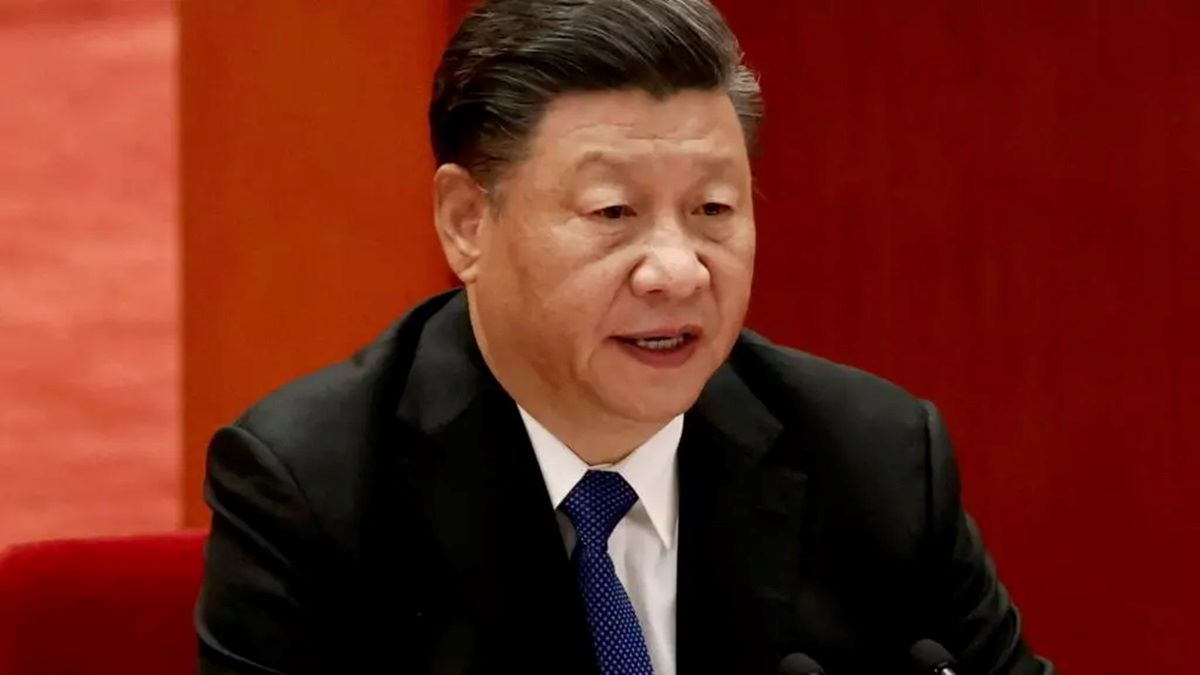
China weathered high tariff uncertainty in 2025, and a recent summit between President Xi Jinping and US President Donald Trump emphasising “strategic stability” should limit risks of a near-term tariff re-escalation.
The energy price shock may pose a challenge, but large crude oil inventories, substantial refining capacity, and diversified energy sources should help cushion the risks.
Domestic demand remains subdued. Household confidence remains weak due to property wealth effects and a soft labour market, weighing on goods consumption.
Services activity, however, has performed better. Investment picked up in 1Q26 on front-loading of local government infrastructure spending, although it is likely to remain modest over the remainder of the year.
China is emerging from about three years of deflation as measured by GDP deflator growth, which we forecast to turn modestly positive this year. Ratings analysts forecast consumer price inflation to average 1.2% in 2026 from 0.1% in 2025.
Producer price inflation turned sharply positive in April, boosted by higher energy costs and partly by measures to crack down on excessive competition. Still, Fitch expects inflation to stay low as domestic demand remains subdued.
Fiscal policy is set to be slightly contractionary. Ratings forecast a narrowing of the deficit to 7.3% of GDP in 2026 from 7.6% in 2025 on a Fitch-consolidated basis, which aggregates the Finance Ministry’s four budget accounts. Spending remains tilted towards supply-side investments, but incremental support for consumption continues, including the goods trade-in scheme.
The central government continues to assume a larger fiscal role through transfers to local governments (LGs), including an additional CNY1.3 trillion in ultra-long special bond issuance in 2026. Fitch analysts expect this trend to continue.
]China’s wide fiscal deficits reflect a structural revenue decline that we think will complicate deficit reduction. Ratings analysts forecast revenue/GDP to fall further to 20.6% in 2026, from 29.0% in 2018, due to tax cuts and falling LG land-related revenue.
Fitch said measures to enhance LG revenues are being rolled out, but analysts expect the impact to be modest. Spending needs will remain relatively high, particularly with investments in advanced industries and social safety net enhancements to support more consumption-led growth.
General government debt, defined as explicit local and central debt, remains on an upward trend, and we forecast it to reach nearly 80% of GDP by 2028 from 68.5% in 2025.
This is driven primarily by sustained high deficits and further LG debt swaps with LG financing vehicles (LGFVs).
The debt ratio will rise further in the medium term, although the pace of increase will gradually decline due to higher nominal GDP growth from higher price growth, the completion of large-scale hidden debt swaps, and modest deficit reduction.
LGs continue to implement a five-year CNY10 trillion debt-swap programme to address LGFV debt, or “hidden debt”. These swaps have helped alleviate LGFV market stress, reduce LG fiscal constraints and lower financing costs.
Fitch analysts believe fiscal risks remain higher than suggested by our fiscal metrics, given perceptions that certain entities carry implicit government support, despite policies by the central government to limit such perceptions.
China’s non-financial corporate liabilities are among the highest globally, at 174.7% of GDP at end-4Q25, and are financed mainly by a large, state-dominated financial sector.
The CNY14.3 trillion (11% of GDP) of hidden debt identified by the government in 2024 is less than 25% of market estimates of total LGFV debt, implying lingering contingent liability risks.
Efforts to increase LGFV self-sufficiency could reduce perceptions of an implicit LG guarantee over time, but it is unclear how successful this may be as the standalone debt-service capacity of many LGFVs remains low.
Fitch forecasts growth to average 4.3% through 2029, higher than rated peers. The government’s sustained focus on industrial upgrading and investments in advanced manufacturing and technology sectors, as prioritised in the 15th Five-Year Plan, should help support growth.
However, weak consumption, demographic pressures and global trade uncertainties pose downside risks.
China’s pivotal role in global trade and manufacturing, sustained current account surpluses, large foreign-exchange reserves, a net external creditor position, and a strong net international investor position have provided its external finances with a degree of strength and resilience uncommon among large economies.
This role has been sustained despite years of rising trade tensions with the US. Fitch analysts said they do not foresee a significant erosion in its position in the near term, given China’s strong manufacturing ecosystem and large investments in high-tech sectors. China Warns Against Potential U.S. Ammunition Production in Philippines
