
Close Menu
    What's Hot
    Naira Weakens on Rising U.S Dollar Outflow, FX Reserves Top $49bn

    Naira Weakens on Rising U.S Dollar Outflow, FX Reserves Top $49bn

    May 27, 2026
    Nigerian Exchange Shrinks as Equities Investors Lose N888bn

    Nigerian Exchange Shrinks as Equities Investors Lose N888bn

    May 26, 2026
    2027: Tinubu’s Infrastructure Footprints‘ll Shift Voting Pattern in FCT – Wike

    2027: Tinubu’s Infrastructure Footprints‘ll Shift Voting Pattern in FCT – Wike

    May 26, 2026
    Facebook X (Twitter) Instagram
    • Home
    • About Us
    Facebook X (Twitter) Instagram WhatsApp
    MarketForces AfricaMarketForces Africa
    Subscribe
    Wednesday, May 27
    • Home
    • News
    • Analysis
    • Economy
    • Mobile Banking
    • Entrepreneurship
    MarketForces AfricaMarketForces Africa
    MarketForces Africa » MarketForces News » Fiscal Shockwave: Tinubu Reclaiming Every Kobo for Nigerians
    News

    Fiscal Shockwave: Tinubu Reclaiming Every Kobo for Nigerians

    Gilbert AyoolaBy Gilbert AyoolaOctober 10, 2025No Comments5 Mins Read
    Share Facebook Twitter Pinterest Copy Link LinkedIn Tumblr Email VKontakte Telegram
    Fiscal Shockwave: Tinubu Reclaiming Every Kobo for Nigerians
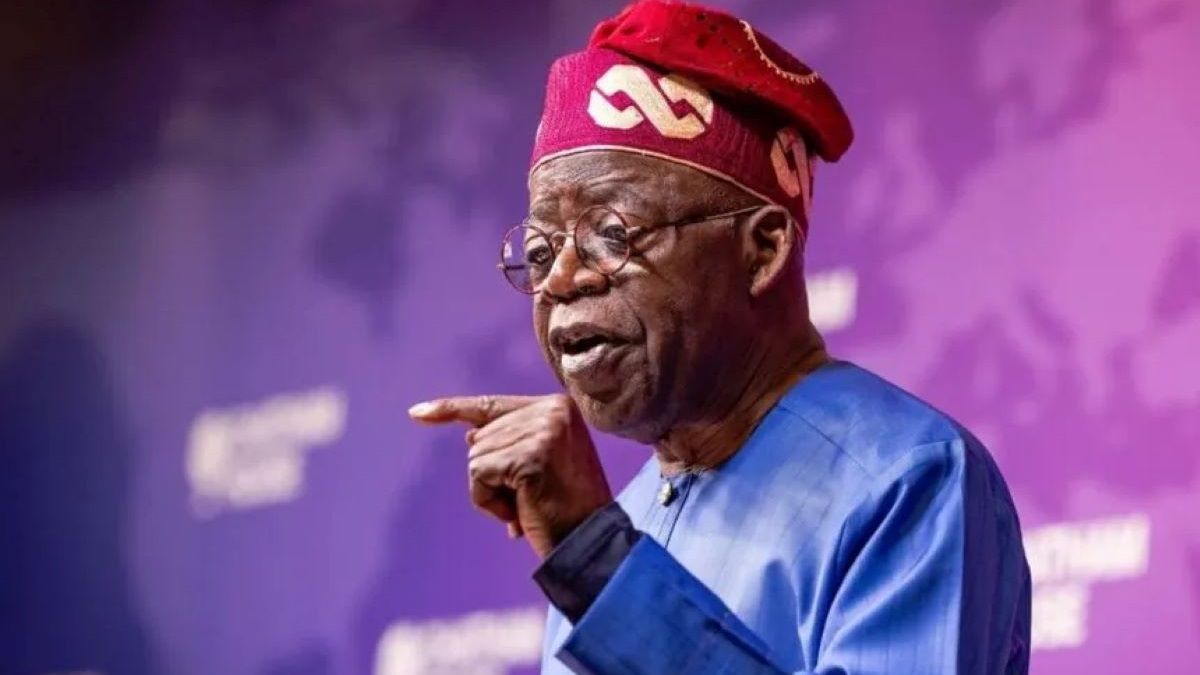
    President Bola Tinubu
    Share
    Facebook Twitter Pinterest Email Copy Link

    Fiscal Shockwave: Tinubu Reclaiming Every Kobo for Nigerians

    In a bold and transformative fiscal pivot, President Bola Ahmed Tinubu has triggered what many are calling a “fiscal bombshell”, a sweeping reform that bars key federal revenue-generating agencies from retaining a share of the funds they collect.

    From now on, every kobo generated by the Federal Inland Revenue Service (FIRS), Nigeria Customs Service (NCS), and the Nigerian Upstream Petroleum Regulatory Commission (NUPRC) must be remitted in full to the Federation Account.

    This reform, announced by the Minister of Finance and Coordinating Minister of the Economy, Mr. Wale Edun, effectively abolishes the long-standing but controversial practice of “cost of collection” deductions.

    These deductions had allowed revenue agencies to pocket a percentage of their collections often without sufficient oversight before remitting the balance to the federal purse.

    In 2024 alone, the FIRS reportedly withheld over N250 billion as cost of collection. This figure, when aggregated with similar deductions from NCS and NUPRC, translates to hundreds of billions of naira annually money that, under the 1999 Constitution (as amended), should have been channelled directly to the Federation Account for distribution through the Federation Account Allocation Committee (FAAC) to all tiers of government.

    For decades, this deduction practice operated in a grey zone technically legal under enabling Acts but fundamentally at odds with the principle of fiscal equity and transparency enshrined in the Constitution. Critics have long argued that it created institutional incentives for opacity, bloated operational budgets, and weakened fiscal coordination.

    Now, with Tinubu’s directive, this leakage has been decisively plugged. “This is about fairness, transparency, and accountability. Nigerians deserve to feel the impact of every naira collected,” said Minister Edun, summarising the ethos behind the reform.

    From a constitutional standpoint, Tinubu’s move restores the sanctity of Section 162 of the 1999 Constitution, which clearly states that “all revenues collected by the Government of the Federation shall be paid into the Federation Account.” By enforcing this provision, the administration is not only reclaiming lost public funds but also reasserting the rule of law in fiscal governance.

    This shift is particularly significant in a federal system where the financial health of subnational entities states and local governments) is tied directly to FAAC allocations.

    Increased remittances to the Federation Account mean greater resources for infrastructure, public services, and local development across Nigeria’s 774 local governments.

    More than a mere policy tweak, this reform signals a fundamental realignment of public finance from an agency-centric model that prioritised bureaucratic autonomy to a people-centric model focused on service delivery.

    It aligns tightly with President Tinubu’s Renewed Hope Agenda, which places economic recovery, social investment, and institutional reforms at the heart of national transformation.

    Critically, the funds recovered from this reform will bolster the government’s ambitious social protection programs.  In October 2025 alone, the administration is rolling out direct cash transfers to 10 million vulnerable households, with a goal to reach 50 million households by year’s end.

    These interventions are designed not just as palliatives, but as structural tools for poverty alleviation, household resilience, and economic inclusion.

    From a macroeconomic perspective, the directive could not be timelier. Nigeria continues to grapple with revenue shortfalls, high debt service obligations, and foreign exchange volatility.

    By consolidating revenues and improving remittance compliance, the government strengthens its fiscal buffers, enhances budget credibility, and builds the confidence of both domestic and international investors.

    Moreover, full remittance improves transparency and auditability, making it easier to track public funds and reduce the risk of corruption and mismanagement. Institutions like the Office of the Accountant-General and the Auditor-General for the Federation are now better positioned to enforce real-time financial oversight.

    Still, the reform is not without its challenges. Revenue agencies particularly FIRS and Customs have long defended their deductions as necessary to maintain operational independence, invest in technology, and reward staff performance.

    With the scrapping of cost of collection, these agencies will now require explicit budgetary allocations from the National Assembly, which may introduce delays and bureaucratic bottlenecks.

    Additionally, ensuring compliance will demand robust financial reporting systems, new performance metrics, and a commitment to transparency from the Executive.

    The government must move swiftly to design a sustainable funding model for these agencies that maintains their efficiency without compromising accountability.

    In sum, Tinubu’s directive is more than a technocratic adjustment it is a symbolic and substantive break from the past.

    By insisting that every kobo must be accounted for and redirected to the people, the administration is sending a clear message: government must work for all Nigerians, not just its institutions.

    Whether this marks the beginning of a broader culture shift in Nigeria’s fiscal ecosystem will depend on execution. But for now, it stands as a bold reminder that fiscal reforms, when rightly conceived and courageously executed, can rewire the economy for growth, equity, and resilience.

    The bottom line is that every billions once hidden in bureaucratic silos are now flowing back into the bloodstream of the nation. Nigerians, quite literally, will feel the impact of every kobo. US Shutdown Masks Far Deeper Threat, CEO Says

    Fiscal
    Share. Facebook Twitter Pinterest LinkedIn Tumblr Email Telegram Copy Link
    Gilbert Ayoola
    • Website
    • Facebook
    • X (Twitter)
    • LinkedIn

    Gilbert Ayoola is the Chairman of Ibadan Zone Shareholders’ Association. He is an investment expert with years of experience that cut across the Nigerian capital market.He has deep knowledge of the Nigerian economy, tracking the performance of listed companies, banking and finance, and government policy.With 20+ years of experience working with numbers across African financial markets, Gilbert delivers reports on corporate earnings and airs opinions on banks' activities and other money market players.He conducted extensive financial analyses of Nigerian Exchange’s Top 30-listed companies with depth and dexterity that match global best practices.Gilbert Ayoola is based in Ibadan, Oyo State, Nigeria

    Related Posts

    Naira Weakens on Rising U.S Dollar Outflow, FX Reserves Top $49bn
    News

    Naira Weakens on Rising U.S Dollar Outflow, FX Reserves Top $49bn

    May 27, 2026
    Nigerian Exchange Shrinks as Equities Investors Lose N888bn
    News

    Nigerian Exchange Shrinks as Equities Investors Lose N888bn

    May 26, 2026
    ACCI Seeks Simpler Tax Compliance, Business-Friendly Reforms
    News

    ACCI Seeks Simpler Tax Compliance, Business-Friendly Reforms

    May 26, 2026
    Nigeria, West Africa’s Growth to Remain Stable at 4.7% in 2026 — AfDB
    News

    Nigeria, West Africa’s Growth to Remain Stable at 4.7% in 2026 — AfDB

    May 26, 2026
    Okomu Oil Records N172.6bn Revenue From Palm Products in 2025
    News

    Okomu Oil Records N172.6bn Revenue From Palm Products in 2025

    May 26, 2026
    AfDB Seeks Urgent Reforms to Unlock Africa’s $4trn Savings
    News

    AfDB Seeks Urgent Reforms to Unlock Africa’s $4trn Savings

    May 26, 2026
    Add A Comment

    Comments are closed.

    Editors Picks
    Naira Weakens on Rising U.S Dollar Outflow, FX Reserves Top $49bn

    Naira Weakens on Rising U.S Dollar Outflow, FX Reserves Top $49bn

    May 27, 2026
    Nigerian Exchange Shrinks as Equities Investors Lose N888bn

    Nigerian Exchange Shrinks as Equities Investors Lose N888bn

    May 26, 2026
    2027: Tinubu’s Infrastructure Footprints‘ll Shift Voting Pattern in FCT – Wike

    2027: Tinubu’s Infrastructure Footprints‘ll Shift Voting Pattern in FCT – Wike

    May 26, 2026
    ACCI Seeks Simpler Tax Compliance, Business-Friendly Reforms

    ACCI Seeks Simpler Tax Compliance, Business-Friendly Reforms

    May 26, 2026
    Latest Posts
    Naira Weakens on Rising U.S Dollar Outflow, FX Reserves Top $49bn

    Naira Weakens on Rising U.S Dollar Outflow, FX Reserves Top $49bn

    May 27, 2026
    Nigerian Exchange Shrinks as Equities Investors Lose N888bn

    Nigerian Exchange Shrinks as Equities Investors Lose N888bn

    May 26, 2026
    ACCI Seeks Simpler Tax Compliance, Business-Friendly Reforms

    ACCI Seeks Simpler Tax Compliance, Business-Friendly Reforms

    May 26, 2026
    Nigeria, West Africa’s Growth to Remain Stable at 4.7% in 2026 — AfDB

    Nigeria, West Africa’s Growth to Remain Stable at 4.7% in 2026 — AfDB

    May 26, 2026
    Okomu Oil Records N172.6bn Revenue From Palm Products in 2025

    Okomu Oil Records N172.6bn Revenue From Palm Products in 2025

    May 26, 2026

    Subscribe to News

    Get the latest sports news from NewsSite about world, sports and politics.

    About US
    About US

    MarketForces Africa is a financial information service provider with interest in media, training and research. The media platform provides information about markets, economies, and crypto, forex markets and investment ecosystem.

    Contact Us:
    Suite 4, Felicity Plaza, Freedom Estate Drive, Lagos-Ibadan Express Road, Magboro
    T: . 08076677707, 08052076440

    Facebook X (Twitter) Instagram Pinterest YouTube
    Latest Posts
    Naira Weakens on Rising U.S Dollar Outflow, FX Reserves Top $49bn

    Naira Weakens on Rising U.S Dollar Outflow, FX Reserves Top $49bn

    May 27, 2026
    Nigerian Exchange Shrinks as Equities Investors Lose N888bn

    Nigerian Exchange Shrinks as Equities Investors Lose N888bn

    May 26, 2026
    2027: Tinubu’s Infrastructure Footprints‘ll Shift Voting Pattern in FCT – Wike

    2027: Tinubu’s Infrastructure Footprints‘ll Shift Voting Pattern in FCT – Wike

    May 26, 2026

    Subscribe to Updates

    Get the latest creative news from FooBar about art, design and business.

    © 2026 Marketforces Africa
    • About
    • Contact us
    • Subscription Plans
    • My account

    Type above and press Enter to search. Press Esc to cancel.