
Close Menu
MarketForces AfricaMarketForces Africa
    What's Hot

    Naira Appreciates to N1,356 as Foreign Reserves Reach 2009 High

    June 15, 2026

    Nigerian Exchange Index Sinks as Investors Lose N984bn

    June 15, 2026

    Bitcoin Price Tops $67k as Investors Return to Positions

    June 15, 2026
    Facebook X (Twitter) Instagram
    Trending
    • Naira Appreciates to N1,356 as Foreign Reserves Reach 2009 High
    • Nigerian Exchange Index Sinks as Investors Lose N984bn
    • Bitcoin Price Tops $67k as Investors Return to Positions
    • Zcash Soars by 25% as Emergency Security Fix Boosts Optimism
    • Inflation, Interest Rate Headwinds Weigh on Midyear US Credit Outlooks
    • Nairobi Securities Exchange Climbs on Automobile, Telecom Stocks Rally
    • Nigeria’s Headline Inflation Rate Climbs to 15.93% in May
    • Ethereum Gains 9% as Bitmine Immersion Tech. Boosts Holdings
    • Home
    • About Us
    Facebook X (Twitter) Instagram LinkedIn WhatsApp TikTok Telegram
    MarketForces AfricaMarketForces Africa
    Subscribe
    Tuesday, June 16
    • Home
    • News
    • Analysis
    • Economy
    • Mobile Banking
    • Entrepreneurship
    MarketForces AfricaMarketForces Africa
    MarketForces Africa » MarketForces News » Developing Countries Pay Out $741bn in Principal, Interest

    Developing Countries Pay Out $741bn in Principal, Interest

    Julius AlagbeBy Julius AlagbeDecember 3, 2025Updated:December 3, 2025 News No Comments4 Mins Read
    Developing Countries Pay Out $741bn in Principal, Interest
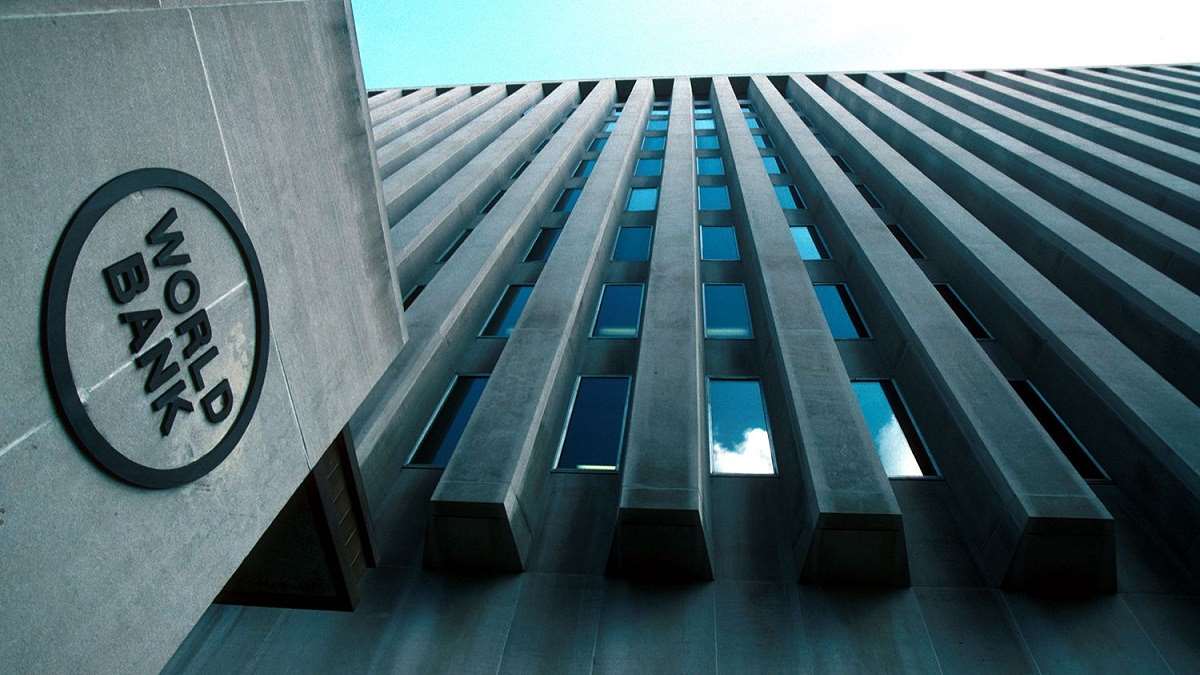
    World Bank
    Share
    Facebook Twitter LinkedIn Pinterest Email Tumblr Reddit Telegram WhatsApp Copy Link

    Developing Countries Pay Out $741bn in Principal, Interest

    Developing countries paid out $741 billion more in principal and interest on their external debt than they received in new financing between 2022 and 2024—the largest gap in at least 50 years, according to the World Bank’s latest International Debt Report released today.

    Still, most countries gained some breathing room on their debt last year as interest rates peaked and bond markets opened up again. That enabled many countries to stave off the risk of default by restructuring their debt.

    In all, developing countries restructured $90 billion in external debt in 2024, more than any time since 2010. Bond investors, meanwhile, pumped in $80 billion more in new financing than they received in principal repayments and interest.

    This helped several complete multi-billion-dollar bond issuances. However, the funds came at a high price—interest rates hovered around 10%, about double those before 2020.

    “Global financial conditions might be improving, but developing countries should not deceive themselves: they are not out of danger,” said Indermit Gill, the World Bank Group’s Chief Economist and Senior Vice President for Development Economics.

    “Their debt build-up is continuing, sometimes in new and pernicious ways. Policymakers everywhere should make the most of the breathing room that exists today to put their fiscal houses in order—instead of rushing back into external debt markets.”

    In 2024, the combined external debt of low- and middle-income countries hit an all-time high of $8.9 trillion—with a record $1.2 trillion owed by the 78 mainly low-income countries eligible to borrow from the World Bank’s International Development Association (IDA), the new report shows.

    The average interest rate that developing economies will pay to their official creditors on their newly contracted public debt in 2024 stood at a 24-year high. The average paid to private creditors was at a 17-year high. 

    In all, these nations paid a record $415 billion in interest alone—resources that could have gone to schooling, primary healthcare, and essential infrastructure. For instance, an average of one out of every two people in the most highly indebted countries was unable to afford the minimum daily diet necessary for long-term health.

    Low-cost financing became harder to obtain, except from multilateral development banks such as the World Bank, which was the single-largest provider of financing for IDA-eligible countries.

    In 2024, the World Bank provided a record $18.3 billion more in new financing to IDA-eligible countries than it received in principal and interest payments. It also provided a record $7.5 billion in grants to these countries. 

    Official bilateral creditors—mainly governments and government-related entities—retreated after participating in a wave of restructurings that cut the long-term external debt of some countries by as much as 70 percent.

    In 2024, bilateral creditors took in $8.8 billion more in principal and interest than they disbursed in new financing for developing countries.

    With options for low-cost financing dwindling, many developing countries turned to domestic creditors—local commercial banks and financial institutions. Of 86 countries for which domestic-debt data are available, more than half saw their domestic government debt grow faster than external government debt. 

    “The rising tendency of many developing countries to tap domestic sources for their financing needs reflects an important policy accomplishment,” said Haishan Fu, the World Bank Group’s Chief Statistician and Director of its Development Data Group.

    “It shows their local capital markets are evolving. But heavy domestic borrowing can spur domestic banks to load up on government bonds when they should be lending to the local private sector. Domestic debt also comes with shorter maturities, which can raise the cost of refinancing. Governments should be careful not to overdo it.”

    The report also offers troubling new insights into how high debt levels have affected the daily lives of people in developing countries.

    It finds that among the 22 most highly indebted countries—those whose external debt stock exceeds 200% of export revenue—an average of 56% of the population is unable to afford the minimum daily diet necessary for long-term health. Eighteen of these countries are IDA-eligible countries, where nearly two-thirds of the population cannot afford the necessary diet. 

    Ikeja Hotel Hits Highest Valuation in 52-Week, Gains 45%

    Nigeria
    Share. Facebook Twitter Pinterest LinkedIn Tumblr Email
    Julius Alagbe
    • Website
    • LinkedIn

    Julius Alagbe is a senior financial journalist and Editor at MarketForces Africa with nearly two decades of experience in finance, accounting, and economics reporting.He is one of Nigeria's most prolific financial market reporters, covering capital markets, monetary policy, corporate earnings, banking, telecoms, and macroeconomic developments across Africa.Julius has built a strong footprint reporting on Nigeria's leading corporates and financial services sector, including coverage of the Nigerian Exchange Group, Central Bank of Nigeria monetary operations, MTN Nigeria, GTCO, and major investment banking transactions.He regularly monitors the CBN’s open market operations, interbank FX markets, and equity market movements, providing readers with real-time intelligence on Nigeria’s financial landscape.His reporting draws on direct access to institutional research from firms including Moody’s Ratings, CardinalStone Securities, Fitch, and other leading African investment houses.Julius brings analytical depth and editorial rigour to every story, making complex financial data accessible to professionals, investors, and policymakers across Africa.Julius Alagbe is based in Lagos, Nigeria.

    Keep Reading

    Naira Appreciates to N1,356 as Foreign Reserves Reach 2009 High

    Nigerian Exchange Index Sinks as Investors Lose N984bn

    Bitcoin Price Tops $67k as Investors Return to Positions

    Zcash Soars by 25% as Emergency Security Fix Boosts Optimism

    Inflation, Interest Rate Headwinds Weigh on Midyear US Credit Outlooks

    Nairobi Securities Exchange Climbs on Automobile, Telecom Stocks Rally

    Add A Comment

    Comments are closed.

    Editors Picks

    Naira Appreciates to N1,356 as Foreign Reserves Reach 2009 High

    June 15, 2026

    Nigerian Exchange Index Sinks as Investors Lose N984bn

    June 15, 2026

    Bitcoin Price Tops $67k as Investors Return to Positions

    June 15, 2026

    Zcash Soars by 25% as Emergency Security Fix Boosts Optimism

    June 15, 2026

    Inflation, Interest Rate Headwinds Weigh on Midyear US Credit Outlooks

    June 15, 2026
    Latest Posts

    Naira Appreciates to N1,356 as Foreign Reserves Reach 2009 High

    June 15, 2026

    Nigerian Exchange Index Sinks as Investors Lose N984bn

    June 15, 2026

    Bitcoin Price Tops $67k as Investors Return to Positions

    June 15, 2026

    Zcash Soars by 25% as Emergency Security Fix Boosts Optimism

    June 15, 2026

    Inflation, Interest Rate Headwinds Weigh on Midyear US Credit Outlooks

    June 15, 2026

    Subscribe to News

    Get the latest sports news from Dmarketforces Africa about finance, business and tech.

    Advertisement
    Facebook X (Twitter) Pinterest Vimeo WhatsApp TikTok Instagram

    News

    • World
    • Politics
    • Economy
    • Business
    • Opinions
    • Fintech
    • Science & Technology

    Company

    • About us
    • Advertising
    • Classified Ads
    • Contact Info
    • Editorial Policy

    Services

    • Subscriptions
    • Research
    • Due Diligence
    • Newsletters
    • Sponsored News
    • Work With Us

    Subscribe to Updates

    Subscribe to updates from MarketForces Africa, an independent financial news service provider.

    © 2026 MarketForces Africa. All rights reserved.
    • Privacy Policy
    • Terms
    • Accessibility

    Type above and press Enter to search. Press Esc to cancel.