

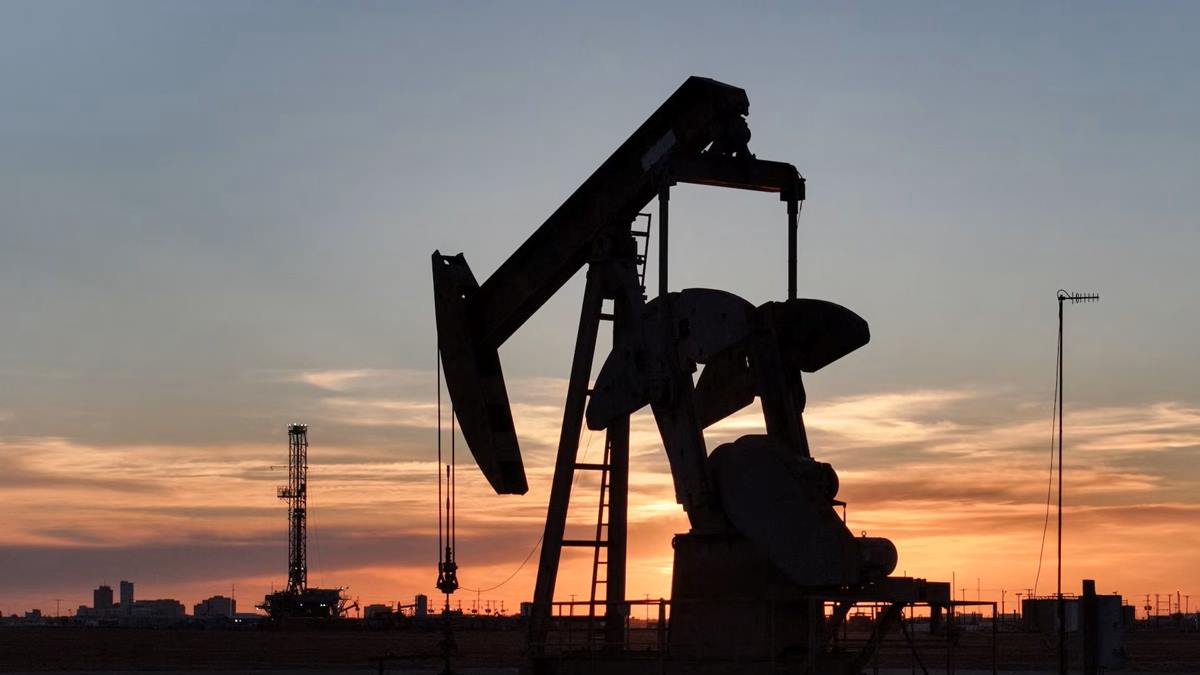
Brent Crude Rises to $114 as Middle East War Risks Heighten
Brent crude rose to $114 per barrel as oil prices increased on Thursday after Iran launched attacks on energy facilities in the Middle East amid ongoing tensions with the US and Israel.
The supply risk continues to worsen as the US-Iran war escalates with missile attacks flying across Saudi Arabia and Qatar, among others.
International benchmark Brent crude traded at $114 per barrel, up from $107.38. US benchmark West Texas Intermediate (WTI) increased 1.03% to $96.45 per barrel, compared with $95.46 in the previous session.
Experts noted that escalating tensions in the Middle East, targeted strikes on oil infrastructures and losses within Iran point to potential prolonged disruptions in oil supply.
Israel struck the Aseluye oil refinery on the coast of the Persian Gulf in southern Iran, as well as refineries linked to the South Pars natural gas field, heightening supply concerns in the region.
Following the targeting of its oil refineries, Iran announced that it would strike US-linked oil facilities in Saudi Arabia, the UAE, and Qatar, and issued an evacuation warning for the oil facilities and their surrounding areas.
Iranian missile strikes targeting the Ras Laffan area in Qatar, home to key liquefied natural gas (LNG) processing facilities, reportedly caused “extensive damage” to energy infrastructure.
Saudi Arabia announced that four ballistic missiles aimed at Riyadh were intercepted and a drone attack targeting a natural gas facility was thwarted.
The development heightened supply concerns, pushing Brent crude prices up by around $6 per barrel, while US reserve sales and elevated transportation costs led West Texas Intermediate (WTI) to trade at its widest discount to Brent in the past 11 years.
US President Donald Trump said Washington had no prior knowledge of the attack, adding that Qatar was not involved and was unaware it would take place. He claimed Iran carried out an “unjust” and “unfair” strike on part of Qatar’s LNG facilities.
Trump also stated that unless Iran decides to attack Qatar, no further strikes would be carried out by Israel on the South Pars gas field. He warned that in such a scenario, the US would respond with unprecedented force and severity against the entire field, regardless of Israel’s involvement or approval.
Also, the US Federal Reserve’s (Fed) decision to hold interest rates steady while signalling a continued tight monetary policy has raised concerns over the economic impact of the conflict.
Fed kept its policy rate unchanged and warned that inflation could rise due to developments involving the US, Israel and Iran. XRP Rises as Ripple Eyes Australian Financial Services License
