

African Experts Seek to Innovate on Debt Reform, Sustainable Finance
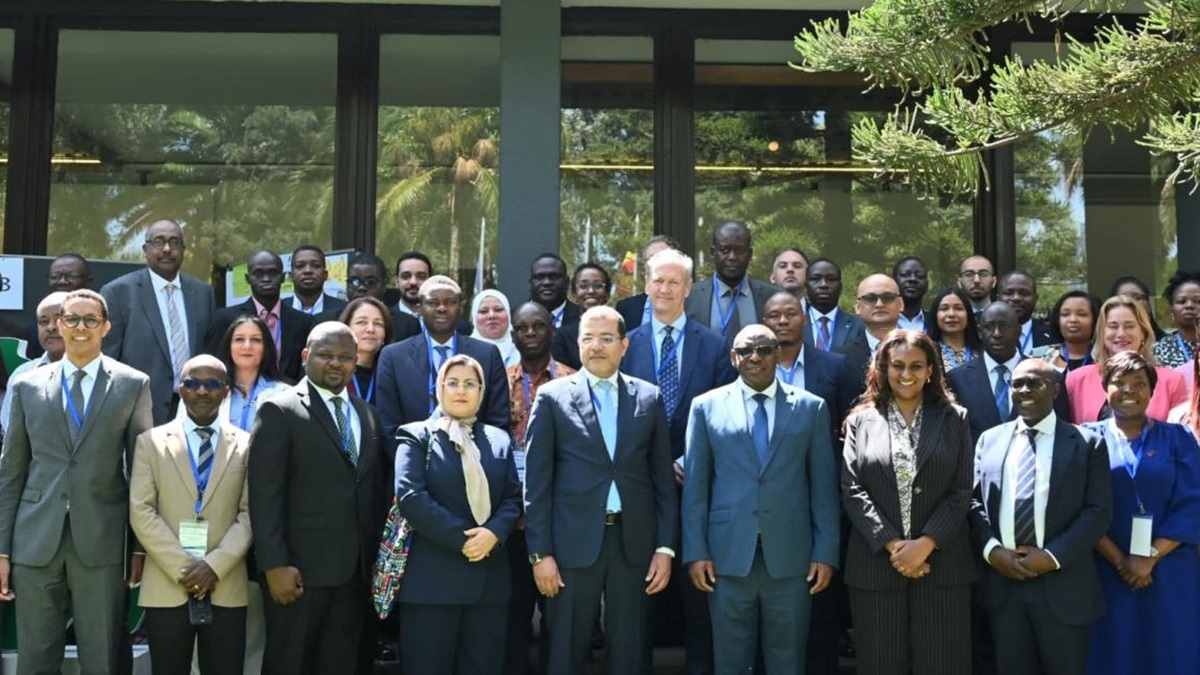
The UN Economic Commission for Africa (ECA) and Financial Sector Deepening (FSD) Africa concluded on Friday, 8 May in Addis Ababa, Ethiopia, the Second African Forum on Sovereign Finance, under the theme: “Enhancing Fiscal Space and Debt Sustainability.”
Over three days, participants at the forum discussed the relationships among sustainable development, debt sustainability, credit ratings, and borrowing costs, as well as how debt management offices can leverage these interactions to support development.
“Africa’s debt challenge extends far beyond fiscal concerns — it has become a development crisis, a climate vulnerability, and a governance emergency, all of which must be tackled together in an integrated response” said ECA Deputy Executive Secretary for Programme Support, Mama Keita.
“The global debt system must shift away from prioritising wealthy lenders over the development and well-being of citizens. Africa’s debt managers are building that shift — instrument by instrument, institution by institution,” she added, stating that African debt managers are not merely administrators of inherited liabilities but stewards of intergenerational equity, making decisions that will shape the opportunities of tomorrow.
“Despite current economic headwinds, Africa’s macroeconomic fundamentals have demonstrated resilience, but this momentum is threatened by our debt burden: External debt has reached approximately US$1.2 trillion, representing a significant share of GDP – and in many countries, more than a quarter of public revenues are now absorbed by debt service,” said ECA Executive Secretary Claver Gatete earlier in the week.
“In practical terms, this means classrooms not built, clinics not staffed or equipped, and jobs not created. It means that development is not just delayed; it is diminished,” he warned.
Debt management is no longer a technical function of government, it is now central to macroeconomic stability, development strategy and policy, said Semereta Sewasew, Ethiopian State Minister for Economic Cooperation as she outlined Ethiopia’s macroeconomic and debt strategies and their positive impacts for the national economy: “An important lesson is that debt sustainability is not only about the size of debt, but about its structure, the foreign exchange backing it, and the credibility of policy frameworks,” she added.
Jointly organized by ECA and FSD Africa, the Second African Forum on Sovereign Finance took place as global discussions on debt reform and climate finance are setting new benchmarks for sustainable development financing.
The Forum provided African Debt Management experts with a platform to operationalize post-COP30 priorities, aligning sovereign debt management with the evolving global architecture for sustainable and climate finance.
Discussions focused on how African stakeholders can innovate by linking Medium-Term Debt Strategies, Debt Sustainability Analyses, and Liability Management Operations with environmental, social performance targets and reforms to help optimise economic growth while transforming Africa’s debt management and aiming towards more proactive, investor-engaged and sustainability-informed fiscal resilience.
The Forum also examined the IMF’s Debt Sustainability Framework, during which participants identified significant gaps: climate downside risks are modelled, but the risk-reduction benefits of resilience investments are not.
The forum also aimed to foster partnerships with philanthropic foundations, multilateral agencies, and guarantee providers and support the joint design of guarantee and risk-sharing mechanisms tailored to African debt contexts.
“Current circumstances suggest that we should double down on financing strategies for climate and nature action to build medium and long-term resilience. The connection between sovereign debt and climate, sovereign debt and domestic capital markets reform are part of an interconnected system, and we should look at how these things come together,” said Mark Napier, CEO of FSD Africa.
African economies are currently navigating an increasingly complex policy landscape shaped by tightening fiscal space, rising debt vulnerabilities, and escalating climate risks. This combination of pressures is impacting macroeconomic resilience and limiting governments’ capacity to invest in sustainable development including critical sectors such as health or education.
According to the African Development Bank (2024), total debt service in Africa has more than doubled over the past decade, reaching USD 163 billion, while interest payments alone now exceed public health budgets in thirty countries.
In 2025, external debt service obligations are projected to reach USD 88.7 billion, further constraining fiscal space and crowding out essential investments in infrastructure, climate adaptation, and human capital. This rising fiscal burden threatens to entrench a cycle of low investment, weakened growth, and reduced resilience to external shocks.
“At the core of Africa’s debt challenge lies a structural issue in how our continent is assessed and priced in global financial markets. Are we accurately pricing risk; or systematically mispricing Africa?,” said Claver Gatete at the start of the Forum this week.
He called on participants to focus on four key priorities: embedding sustainability at the core of debt management; strengthening institutional and data foundations; engaging with investors and partners as strategic allies; and setting clear, country-level priorities and actionable roadmaps guiding implementation through 2026 and beyond.
The Second African Forum on Sovereign Finance on “Enhancing Fiscal Space and Debt Sustainability” drew representatives from debt management offices and ministries of finance from 18 African countries, multilateral and regional financial institutions, philanthropic and guarantee partners, credit rating agencies, institutional investors, think tanks, academic institutions, and technical organisations working on sustainable finance, debt management, and climate economics. Oil Prices Surge on US-Iran ‘Back and Forth’ Peace Talks
