

CBN Debits Banks N718bn for Failing to Meet Loan Target
The Central Bank of Nigeria (CBN) debited Deposit money banks (DMBs) a whooping sum of about N718 billion for failing to meet its 65% loan-to-deposit target. As part of reforms, the apex bank had normalised its policy but later reversed itself over dwindling loans to the private sector.
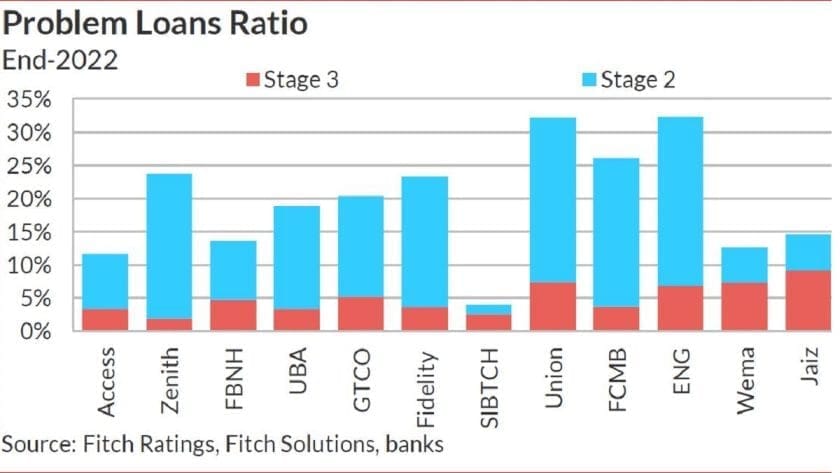
As the banking industry started experiencing increased switch in stage two to stage three loans, local deposit money banks reduced their lending appetites to curb rising loan default emanating from uncertainties in the economy.
Smaller banks are facing a higher risk of problem loans than tier 1 peers due to size advantage, and the fact that the big control a significant chunk of the industry’s total assets, and businesses.
The twin reforms – subsidy removal and FX liberalisation – that were launched in the first half of 2023 spooked corporate performances. In a rating note, Fitch said stage two loans in the industry have grown after the devaluation of the naira in June.
“What happened is that banks loan would be converted at the new exchange rate, which automatically will increase the value of their loan portfolios”, according to analysts.
The decision to debit Nigerian banks a huge sum is negative for lenders’ businesses, especially tier-2 banks with limited liquidity weight, research analysts at LSintelligence Associates said in an email note.
Reacting to tight liquidity levels in the financial system, short-term benchmark money market rates rose while yield on government borrowing instruments declined.
In its update, Cowry Asset Management said the Nigerian Interbank Offered Rate moved in mixed directions on the back of a reduction in the financial system liquidity. Asset Managers at the investment firm attribute the reduction in the liquidity level to a system cash reserve ratio debit of about N700 billion.
Subsidy removal has impacted companies operating costs negatively and the condition has worsened with the devaluation of the naira. Many listed companies reported large foreign exchange losses in the first half of the year.
While banks recorded higher profits due to large unrealised FX revaluation gains, analysts have estimated that non-performing loans in the industry will rise in 2023 due to expected defaults.
“Some corporate borrowers are finding it difficult to survive as macroeconomic conditions nosedive. Businesses are struggling with increased costs of operations, pushed by rising headline inflation, weak local currency and increased energy costs spending”, LSintelligence Associates told MarketForces Africa.
Analysts said the CBN debits on banks at a time when key economic indices are at a worrisome level is margin dilutive for operators. The apex bank is considered a culprit in declining loans to the real sector following the monetary policy failure to curb price and exchange rate instability.
The CBN has failed all round, analysts told MarketForces Africa, adding that higher lending rates would obviously increase default risks in a country with uncertain economic directions. #CBN Debits Banks N718bn for Failing to Meet Loan Target NAICOM, FG Plan Guidelines to Insure Govt. Assets
