

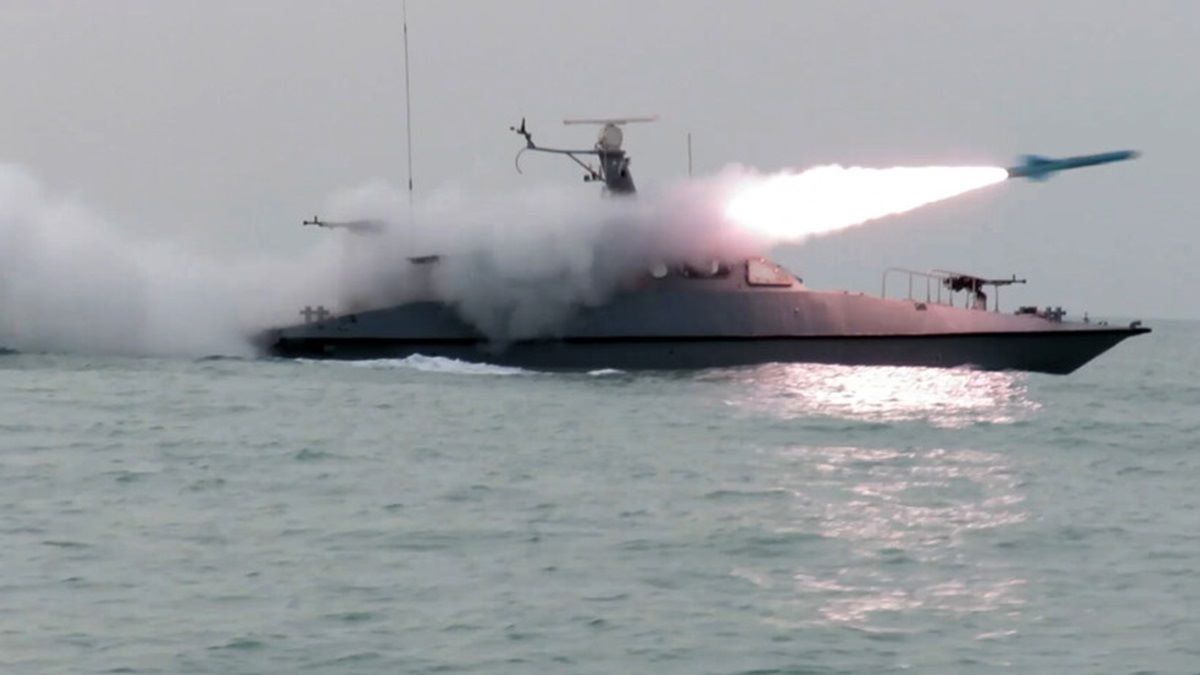
Iran Vows to Maintain Tighter Control Over Strait of Hormuz
A senior Iranian diplomat has said Tehran will not allow the Strait of Hormuz to return to its pre-war status, warning that any European warship approaching the strategic waterway would be considered a “legitimate target.”
Kazem Gharibabadi, Iran’s Deputy Foreign Minister for Legal and International Affairs, made the remarks while outlining Tehran’s position on the future management of the strait and its broader security strategy.
According to Gharibabadi, restoring the strait to its previous status would mean Iran had failed to fully achieve its objectives during the conflict.
“If the strait’s situation returns to what it was before the war, our success in the war will not be complete,” he said.
He added that Iran was prepared to defend what it described as its sovereignty over the waterway and did not fear a resumption of hostilities if necessary.
Gharibabadi described the Strait of Hormuz as a “new defence capacity” that had become an integral part of Iran’s national security, saying future management arrangements would have lasting security implications.
He said that Oman had sought to involve a third country in mine-clearance operations through the southern section of the strait, but Iran rejected the proposal.
On relations with the United States, Gharibabadi said Iran had not requested negotiations with Washington within the previous 15 days, insisting the initiative had come from the U.S.
“The Americans asked us to hold talks, and sent us a message through Oman that they will not take military actions against us,” he said.
Speaking on discussions with Oman, the Iranian official said Tehran was negotiating exclusively with Muscat on issues relating to the Strait of Hormuz.
He said Oman proposed a joint route under equal control by both countries, but Iran rejected the arrangement, arguing that leaving the southern route open would undermine its sovereignty.
According to Gharibabadi, Iran instead proposed full control over the strait’s entry route and partial control over its exit route as part of any future arrangement.
He said if Oman accepted the proposal, “we will move on to the next stage;” otherwise, the strait would remain closed and “we are ready for the war’s resumption.”
The Strait of Hormuz is one of the world’s most important maritime oil transit routes, and restrictions on navigation have contributed to higher global energy prices and heightened regional tensions. #Iran Vows to Maintain Tighter Control Over Strait of Hormuz# Iranian Envoy Says Strait of Hormuz Fully Open Without Charges
