

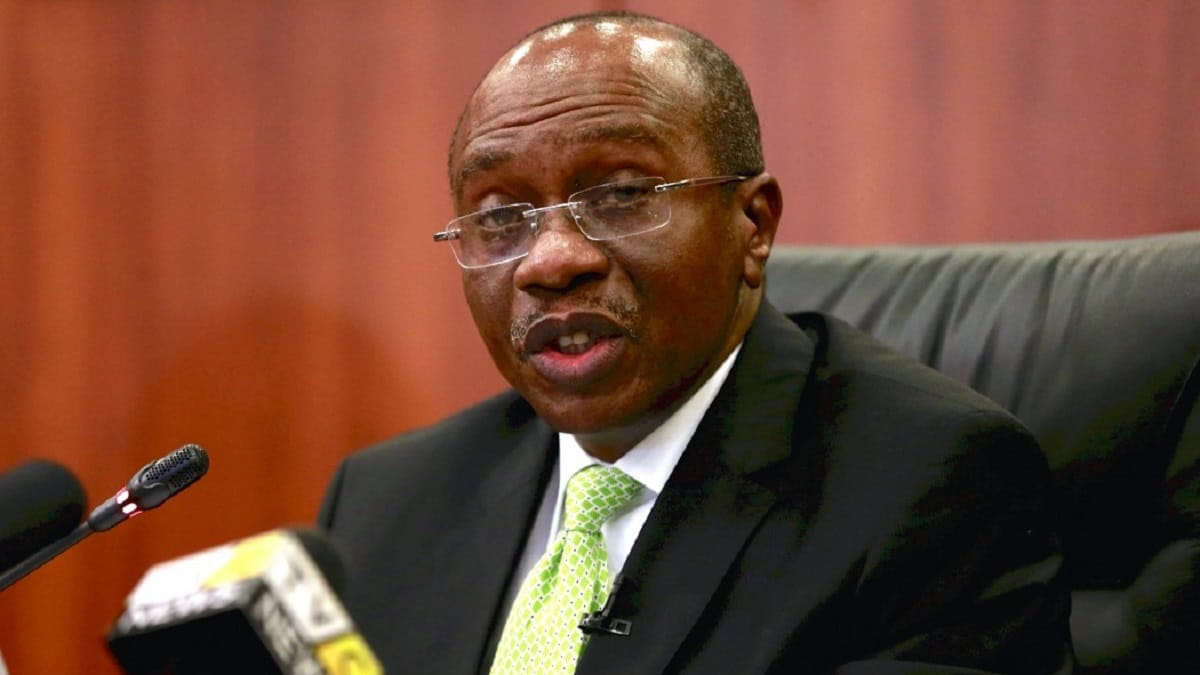
CBN Raises Benchmark Interest Rate to 18%
In a bid to continue to fight the rising headline inflation rate, the monetary policy committee (MPC) of the Central Bank of Nigeria (CBN) has increased the monetary policy rate (MPR) or benchmark interest rate to 18%.
The two days meeting which ended today discussed key macroeconomic issues in Nigeria, including a sustained increase in the headline inflation rate, worsening local currency and the banking sector’s activities.
The latest interest rate hike came sixth after the monetary policy tightening that started in May 2022. The rate surge is In line with Afrinvest expectations. Monetary Policy: Afrinvest Anticipates 50bps Interest Rate Hike
The monetary policy committee voted to raise the benchmark interest further by 50 basis points to 18.0%. The committee however retains the asymmetric corridor of +100/-700bps around the MPR.
Key metrics used to control the banking sector were retained at the meeting. Specifically, MPC retains the cash reserve ratio (CRR) at 32.5%; and keeps the Liquidity Ratio at 30.0%.
The raise in the MPR may affect cost of borrowing and equities prices, analysts said. In addition, the planned removal of subsidies by the incoming administration is another reason for the MPR hike.
Subsidy removal is expected to lead to a reduction in the country’s inflation rate, analysts said. However, this will be done in a gradual manner, taking into account the current impact of interest rate increases in certain developed countries.
At the meeting, the committee agreed that the broad outlook for global and domestic economies remains uncertain due to the ongoing Russia-Ukraine crisis.
They spotted a deteriorating relationship between US and China over Taiwan’s sovereignty, heightened inflationary pressures in the energy market and supply chain disruptions. There are also growing concerns over the global banking system following the banking crisis in the US.
Regarding the domestic economy, the MPC noted that the available data and forecast for key macroeconomic indicators suggest that the economy will continue to grow in 2023 but at a moderate pace.
According to the committee, persistent PMS scarcity, the rising cost of debt, upward inflationary pressures and deteriorating fiscal balances would remain drivers of shocks to the Nigerian economy.
The committee noted that the Naira redesign and currency withdrawal limit policy has resulted in a sizable reduction of currency outside the bank, indicating expected improvement in the potency of monetary policy tools.
However, they called on depository corporations, online payment platforms and other stakeholders to ensure that the prevailing incidences of network failure are resolved in the short term. This should ensure effective implementation of the naira redesign and the CBN’s cashless policy program.
The committee highlighted that the sustained improvement in the equities market reflected renewed investor confidence. In addition, the MPC noted that the recent marginal decline in external reserves reflects the downward trend in oil prices, as recession concerns rise.
While there have been concerns in the Nigerian banking system due to the collapse of banks in the United States and Switzerland, the MPC pointed out that the Nigerian banking sector remains resilient due to the stringent prudential guidelines.
For emphasis, the liquidity ratio declined to 43.1%, but remained above its prudential limit of 30%, while the capital adequacy ratio increased to 13.7%, within the prudential limit of 10 and 15%.
Furthermore, the committee noted that Nigerian banks’ non-performing loan ratio remained unchanged at 4.2%. However, a tight prudential regime is required to ensure that NPL remains below its prudential benchmark of 5%.
The MPC noted that loosening or holding could undermine the gains achieved through previous rate hikes, as the economy remains confronted with the risk of higher inflation, with adverse consequences on living standards.
Therefore, tightening was necessary to offset the continued upward risk in price development such as the expected removal of the PMS subsidy, rising prices of other energy sources, continued exchange rate pressures and uncertain climate conditions.
The MPC believes that tightening would demonstrate confidence in the effectiveness of its monetary policy to combat elevated inflation, enhance financial system stability, contribute to the reduction of the negative real interest rate margin, and control exchange rate fluctuations.
