

Inflation, Interest Rate and Corporates: How Will CBN Play?
How is a higher interest rate from Nigerian banks impacting your business? As a person, how are price adjustments on goods and services impacting your income? Large numbers of businesses have cut back operations, reducing their staffers.
Very large numbers of individuals have become experts in drawing scale of preference – Foods first, and other things may follow. Fasten your seat belt, the journey could become rough in the next couple of months if things are not improving. It won’t unless it is planned. However, the question is: by who?
There are buckets of uncertainties in the Nigerian macroeconomic environment. It is too late to deny that Nigeria’s economy in numbers is not really a reflection of what’s happening to people, or businesses.
There is a change in market dynamics that are affecting how companies do their business due to high inflation and worsening price levels. The Central Bank of Nigeria which is saddled with the responsibility to manage price level, inflation, and keeping the local currency strong among others, has failed across key indices.
Though, the monetary policy authority’s single-digit inflation target has been pegged between 6-9%. As of the recent readings, Nigeria’s headline inflation has peaked at 19.64%. A slew of market analysts is however expecting the price level to worsen further as there are possible macroeconomic variables that quell an increasing consumer price index.
Conservatively, headline inflation could be at an average of 20%, meaning that with multiplier effects, your naira value has dropped twice. In the foreign exchange markets, the Nigerian naira has been on a decline as demand eclipses daily supply. Data from the CBN indicates external reserves of $39 billion.
In the Investors and Exporters foreign exchange window, the local currency was N431 to a United States dollar at the close of business on Tuesday. However, individual demand for foreign currencies cannot be attended to at the investors’ window.
In the black market, the exchange rate has worsened to N705, with higher demand by those that cannot access FX from Banks.
The Nigerian banks have limited supply which resulted in persistent rationing. Thus, tech companies with dollars required transactions- either to pay for as small items like plugins or software- are being charged as much as N505 by local banks but with a ceiling.
“You are likely unable to buy $100 plugins via your bank’s naira card”, MarketForces Africa gathered from some tech geeks in Yaba area of Lagos.
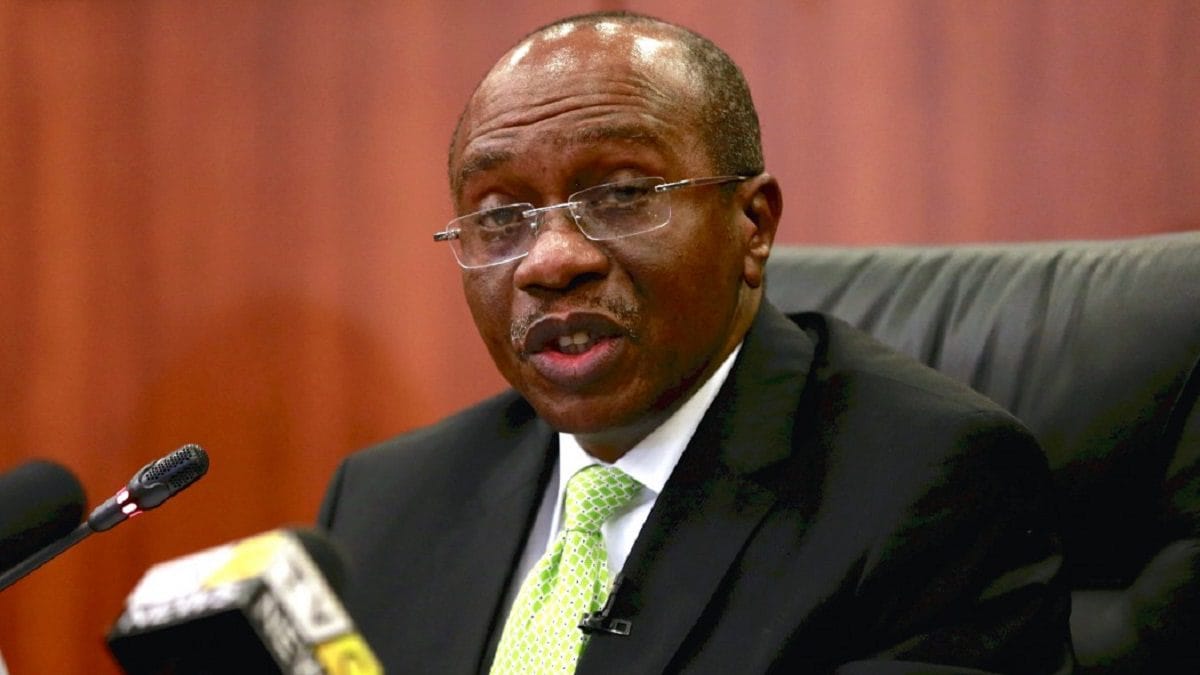
The pressure in the foreign exchange market has not been able to force the apex bank from repricing the local currency. For Godwin Emefiele-led Central Bank, devaluation would not solve Nigeria’s foreign currency problem.
But forces of demand and supply have continued to punish the Naira which has been battered strongly since 2015 amidst tough global prices and crude oil production volume equation.
Data from the Nigerian Exchange shows that foreign investors or rather hot monies in the market have reduced. It continues to decline up till July following serial interest rate hikes in the United States by Federal Reserves while European Central Bank has also maintained a hawkish tempo.
Apart from an unimpressive performance of Naira assets in the financial market, foreign investors have also been facing another risk –inability to repatriate funds. CBN FX backlog is heavy, and sources told MarketForces Africa that it could take half of the nation’s external reserves.
What would CBN do? It is a dilemma. The roughen equation could only be tempered by reduced imports bill and higher foreign exchange earnings. The future is uncertain as non-oil exports contribution to the national purse remains low.
On the other hand, unborn Nigerians would still love to use foreign-made devices like iPhone and Samsung and drive best-in-class automobiles. None are being produced in Nigeria – that means foreign currencies outflow. How can Nigerians not buy abroad? This country has a competitive advantage in nothing but spending.
The one percentile individuals and government can compete in spending not really in productive activities. The private sector has been peppered by rising costs. The core strategy for average companies is to reduce pressures on cash flow to keep the bottom line healthy– relatively scarce economic resources.
Poor industrial and operating environment is killing Nigerian companies. As a result, foreign investment is completely lacking. On the home front, small and medium-scale companies have to face sorting out their energy needs.
To obtain raw materials, the private sector continues to face weak local currency trouble, booking higher foreign exchange losses year in, and year out. It is entirely a survival of the fittest.
With running inflation, the question is: How would CBN play?
In the past, the apex bank had blamed Nigeria’s inflation rate on supply chain disruption following covid-19 outbreak – a veritable alibi. Then, the price level improves for a while and then begins an uptrend. The question is: is there too much money in Nigeria now?
Where did these monies come from?
Recall in the third quarter of 2019, President Muhammadu Buhari in partnership with the monetary, and fiscal authorities decided to close the Nigerian borders. The move was targeted at curbing the importation of rice in the country and it works like magic – if you agree.
Before then, a bag of rice was just about N10,000 and after border closure, it jumped above N20,000 – a country that rarely changes its minimum wage payable to civil servants. A country that has no eyes on how many corporate companies pay the members of staff.
Everybody turns their faces away from what more than 80% of Nigerians with less than $2 daily income face in the street. For us, that was the beginning of the country’s inflationary ordeal.
After Covid-19 lockdown, the ongoing Russia-Ukraine war began, thus, catching a nation without a flexible economic master plan on the web. Bread makers increase prices by more than 100% in a few months as the price of wheat adjusted upward.
The apex bank would consider a possible breach of 20% inflation in the next meeting and they would likely hike the rate before the year 2022 close. The interest rate hike would mean additional pressures on businesses. Production costs will increase significantly and costs of money will rise.
The possibility is, that companies may start to downsize as high prices would temper household consumption – especially for fast-moving consumer goods producers. READ: Fixed Income Market Trades Quiet as Investors Scramble for Returns
It is unlikely to reduce benchmark interest in Nigeria today, don’t expect it. There is no economic principle that will support the idea. CBN could, however, keep the rate at 14% but an increase is more likely in 2022. What do these mean for your business or personal finance?
