
Close Menu
MarketForces AfricaMarketForces Africa
    What's Hot

    US Retail Broker, Wealth Managers Post Record Earnings, Assets 1H2026

    August 5, 2026

    Biodiversity Loss Hitting Africa Hardest, Threatens Food Security – UN

    August 5, 2026

    Oil Prices Slide Below $80 as Markets Price in US-Iran Talks

    August 5, 2026
    Facebook X (Twitter) Instagram
    Trending
    • US Retail Broker, Wealth Managers Post Record Earnings, Assets 1H2026
    • Biodiversity Loss Hitting Africa Hardest, Threatens Food Security – UN
    • Oil Prices Slide Below $80 as Markets Price in US-Iran Talks
    • Overnight Rate Dips as Financial System Liquidity Rises to N5.33trn
    • XRP Steadies as Holders Can Now Borrow from Ripple Stablecoin
    • CBN Declares Forex Market Stable as Reserves Hit $52.5bn
    • Polkadot Price Rises 5.2% to $0.8648 on Bullish Shift
    • Zcash Gains 5% as Fortitude Mining Holdings Acquires Facility
    • Home
    • About Us
    Facebook X (Twitter) Instagram LinkedIn WhatsApp TikTok Telegram
    MarketForces AfricaMarketForces Africa
    Subscribe
    Wednesday, August 5
    • Home
    • News
    • Analysis
    • Economy
    • Mobile Banking
    • Entrepreneurship
    MarketForces AfricaMarketForces Africa
    MarketForces Africa » MarketForces News » Biodiversity Loss Hitting Africa Hardest, Threatens Food Security – UN

    Biodiversity Loss Hitting Africa Hardest, Threatens Food Security – UN

    Ogochukwu NdubuisiBy Ogochukwu NdubuisiAugust 5, 2026 News No Comments3 Mins Read
    Biodiversity Loss Hitting Africa Hardest, Threatens Food Security - UN
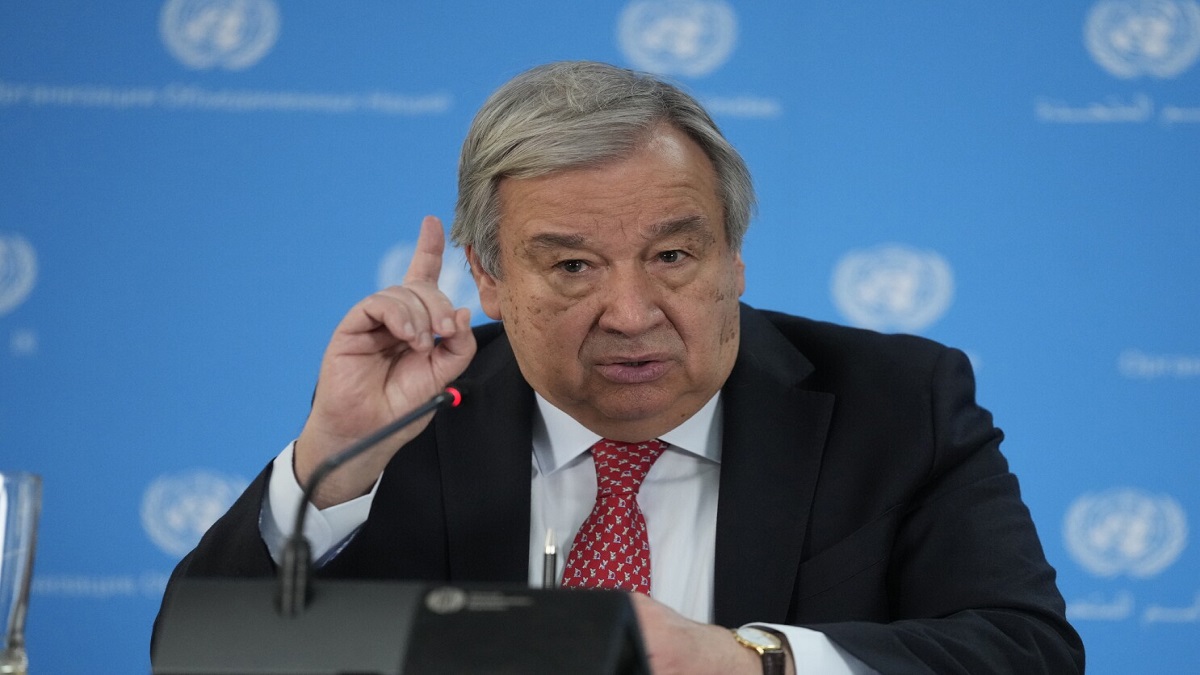
    Antonio Guterres, UN Secretary General
    Share
    Facebook Twitter LinkedIn Pinterest Email Tumblr Reddit Telegram WhatsApp Copy Link

    Biodiversity Loss Hitting Africa Hardest, Threatens Food Security – UN

    Africa is bearing a disproportionate burden of global biodiversity loss, threatening food security, livelihoods, clean water and climate resilience across the continent.

    Executive Secretary of the UN Convention on Biological Diversity, Astrid Schomaker, disclosed this during a major scientific and policy meeting in Nairobi.

    Schomaker said biodiversity loss was not an abstract environmental problem for Africans, particularly rural communities, farmers, fishermen and people dependent on forests and natural resources.

    For millions of Africans, she said, the crisis could be seen in declining harvests, disappearing fish stocks, degraded soils, polluted water and diminishing medicinal plants.

    Biodiversity refers to the variety of plants, animals and microorganisms existing within ecosystems and contributing to the survival and wellbeing of human beings.

    It supports agriculture, fisheries, medicine, clean water, soil fertility, climate regulation and protection against environmental disasters.

    Reports say Africa is home to about 25 per cent of the world’s biodiversity, including several globally significant forests, wetlands, grasslands, coastal ecosystems and wildlife habitats.

    However, the continent has lost an estimated 24 per cent of its species since the pre-industrial period, according to a recent scientific study.

    The situation poses serious concerns because millions of Africans depend directly on agriculture, fisheries, forestry, tourism and other nature-based activities for survival.

    Schomaker identified climate change as the single biggest driver of biodiversity loss, warning that Africa remained particularly vulnerable to climate-related shocks.

    Rising temperatures, droughts, flooding, desertification and changing rainfall patterns are increasingly disrupting ecosystems and undermining agricultural productivity across the continent.

    The official also identified invasive species, pollution, deforestation and the overexploitation of land and water resources as major threats to Africa’s biodiversity.

    She said these pressures continued to deplete resources relied upon by rural and coastal communities for food, income, clean water and economic stability.

    The UN Environment Programme (UNEP) earlier warned that global spending on activities destroying nature remained substantially higher than investments directed towards protecting and restoring ecosystems.

    According to the UN, the world spends about 30 times more money destroying nature than protecting it.

    Africa is particularly disadvantaged because many governments lack sufficient financial and technological resources to reverse land degradation and protect threatened ecosystems.

    The continent also contributes comparatively little to global greenhouse gas emissions but suffers heavily from climate change and environmental destruction.

    Experts say declining biodiversity could worsen hunger, poverty, migration, conflict and unemployment across Africa if governments fail to undertake urgent corrective measures.

    African governments are, therefore, being encouraged to integrate biodiversity protection into agriculture, infrastructure, energy, mining, trade and national development planning.

    Mobilising adequate funding remains central to efforts to close Africa’s biodiversity financing gap and support conservation, restoration and sustainable resource management.

    Schomaker said available scientific evidence had provided a clear understanding of the biodiversity crisis confronting Africa and the rest of the world.

    Experts say Africa must strengthen environmental laws, improve enforcement, invest in scientific research and support communities managing forests, wetlands, wildlife and coastal resources. #Biodiversity Loss Hitting Africa Hardest, Threatens Food Security – UN# Global Hunger Declines Across Continents, Trade Risks Loom- UN

    Africa UN
    Share. Facebook Twitter Pinterest LinkedIn Tumblr Email
    Ogochukwu Ndubuisi
    • Website
    • Facebook
    • X (Twitter)
    • LinkedIn

    Ogochukwu Ndubuisi is an editorial content strategist and financial news writer at MarketForces Africa, covering a broad range of topics including Nigeria's equity markets, infrastructure development, energy, government policy, corporate finance, and digital economy.With over 2,400 published articles on MarketForces Africa, Ogochi brings depth and consistency to the publication's daily news coverage.Her reporting spans Nigerian Exchange Group market movements, Lagos State infrastructure projects, and federal government economic policies, oil and gas developments, and emerging sectors shaping Nigeria's economic landscape.She also covers Africa-wide stories, including East African market indices, continental investment trends, and cross-border economic developments.Ogochi works closely with MarketForces Africa's editorial and corporate communications teams to deliver accurate, timely, and well-researched content to the publication's professional readership.Ogochukwu Ndubuisi is based in Lagos, Nigeria.

    Keep Reading

    US Retail Broker, Wealth Managers Post Record Earnings, Assets 1H2026

    Oil Prices Slide Below $80 as Markets Price in US-Iran Talks

    Overnight Rate Dips as Financial System Liquidity Rises to N5.33trn

    XRP Steadies as Holders Can Now Borrow from Ripple Stablecoin

    CBN Declares Forex Market Stable as Reserves Hit $52.5bn

    Polkadot Price Rises 5.2% to $0.8648 on Bullish Shift

    Add A Comment

    Comments are closed.

    Editors Picks

    US Retail Broker, Wealth Managers Post Record Earnings, Assets 1H2026

    August 5, 2026

    Biodiversity Loss Hitting Africa Hardest, Threatens Food Security – UN

    August 5, 2026

    Oil Prices Slide Below $80 as Markets Price in US-Iran Talks

    August 5, 2026

    Overnight Rate Dips as Financial System Liquidity Rises to N5.33trn

    August 5, 2026

    XRP Steadies as Holders Can Now Borrow from Ripple Stablecoin

    August 5, 2026
    Latest Posts

    US Retail Broker, Wealth Managers Post Record Earnings, Assets 1H2026

    August 5, 2026

    Oil Prices Slide Below $80 as Markets Price in US-Iran Talks

    August 5, 2026

    Overnight Rate Dips as Financial System Liquidity Rises to N5.33trn

    August 5, 2026

    XRP Steadies as Holders Can Now Borrow from Ripple Stablecoin

    August 5, 2026

    CBN Declares Forex Market Stable as Reserves Hit $52.5bn

    August 5, 2026

    Subscribe to News

    Get the latest sports news from Dmarketforces Africa about finance, business and tech.

    Advertisement
    Facebook X (Twitter) Pinterest Vimeo WhatsApp TikTok Instagram

    News

    • World
    • Politics
    • Economy
    • Business
    • Opinions
    • Fintech
    • Science & Technology

    Company

    • About us
    • Advertising
    • Classified Ads
    • Contact Info
    • Editorial Policy

    Services

    • Subscriptions
    • Research
    • Due Diligence
    • Newsletters
    • Sponsored News
    • Work With Us

    Subscribe to Updates

    Subscribe to updates from MarketForces Africa, an independent financial news service provider.

    © 2026 MarketForces Africa. All rights reserved.
    • Privacy Policy
    • Terms
    • Accessibility

    Type above and press Enter to search. Press Esc to cancel.