

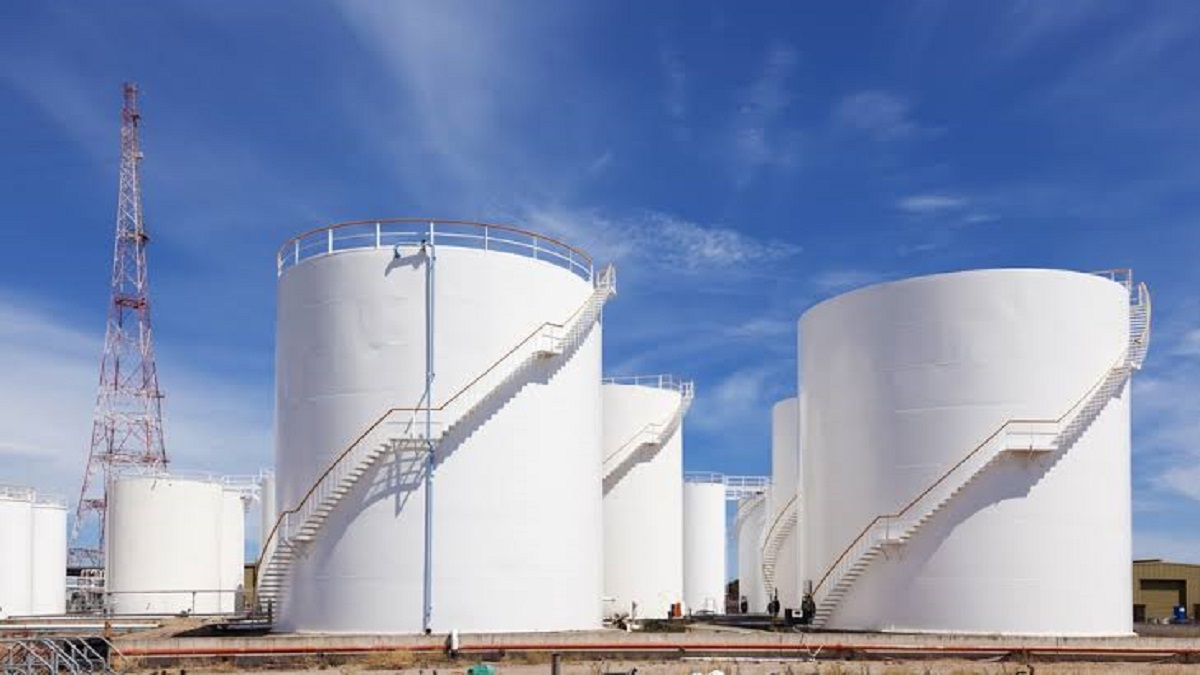
Asian Nations Rush to Expand Energy Storage After Strait of Hormuz Crisis
Asian economies are racing to build oil and gas storage closer to home to cut exposure to Middle East conflict after the US-Israel-Iran war choked shipping through the Strait of Hormuz, where traffic fell to a trickle.
Heavily reliant on Gulf energy, the region imposed emergency fuel conservation when prices surged in February, then moved to permanent solutions. Japan, which weathered the crisis better due to large strategic reserves, announced in April a $10bn POWERR Asia initiative to help Southeast Asia procure oil and build stockpiles.
At the war’s outbreak Vietnam held just 5-7 days of national reserves, Thailand about 61 days and the Philippines 50-60 days – all below the IEA’s 90-day minimum. Manila last month approved a bill for a 60-day state reserve, while Thailand is planning cross-peninsula pipelines and tank farms. India, with about 74 days of stocks, said in July its state-owned ONGC will build a new 13-million-barrel reserve.
Japan, South Korea and Singapore are also expanding Gulf storage deals. ADNOC already stores oil in Singapore, India, South Korea and Japan and aims to raise capacity in India to 30 million barrels, while India is considering storing reserves at Fujairah outside Hormuz. South Korea, holding 146 million barrels, is mulling adding another 30-40 million.
In China, the Hormuz blockage has reinforced energy security plans. Its 2026-2030 five-year plan includes more pipelines, expanded LNG storage and deep-water drilling, with PipeChina accelerating 9,000km of pipelines in May. Analysts say the common goal is reducing exposure to a single fuel, supplier or chokepoint. #Asian Nations Rush to Expand Energy Storage After Strait of Hormuz Crisis# Qatar Says Diplomatic Efforts Intensify to End Strait of Hormuz Crisis
