
Close Menu
MarketForces AfricaMarketForces Africa
    What's Hot

    NCC Begins Review of Mobile Termination Rates after 8 Years

    June 16, 2026

    Strait of Hormuz: Transit May  Take ‘Weeks’ to Resume

    June 16, 2026

    XRP Price Ticks Up as Ripple Invests in Flutterwave

    June 16, 2026
    Facebook X (Twitter) Instagram
    Trending
    • NCC Begins Review of Mobile Termination Rates after 8 Years
    • Strait of Hormuz: Transit May  Take ‘Weeks’ to Resume
    • XRP Price Ticks Up as Ripple Invests in Flutterwave
    • HYPE- Hyperliquid Surges by 11% on SpaceX Perp Catalyst
    • GCR Upgrades Wema Bank Plc’s Issuer Rating to A/A1
    • SSA Sovereigns Face Iran Shock from Stronger Starting Point -Fitch
    • Crude Oil Prices Ease on US-Iran Peace Dividend
    • CBN Mandates Banks, Fintechs to Host Payment Data Locally
    • Home
    • About Us
    Facebook X (Twitter) Instagram LinkedIn WhatsApp TikTok Telegram
    MarketForces AfricaMarketForces Africa
    Subscribe
    Tuesday, June 16
    • Home
    • News
    • Analysis
    • Economy
    • Mobile Banking
    • Entrepreneurship
    MarketForces AfricaMarketForces Africa
    MarketForces Africa » MarketForces News » IMF Highlights Rise of Stablecoin Use in Nigeria, Warns of Policy Risks

    IMF Highlights Rise of Stablecoin Use in Nigeria, Warns of Policy Risks

    Olu AnisereBy Olu AnisereJune 16, 2026 News No Comments4 Mins Read
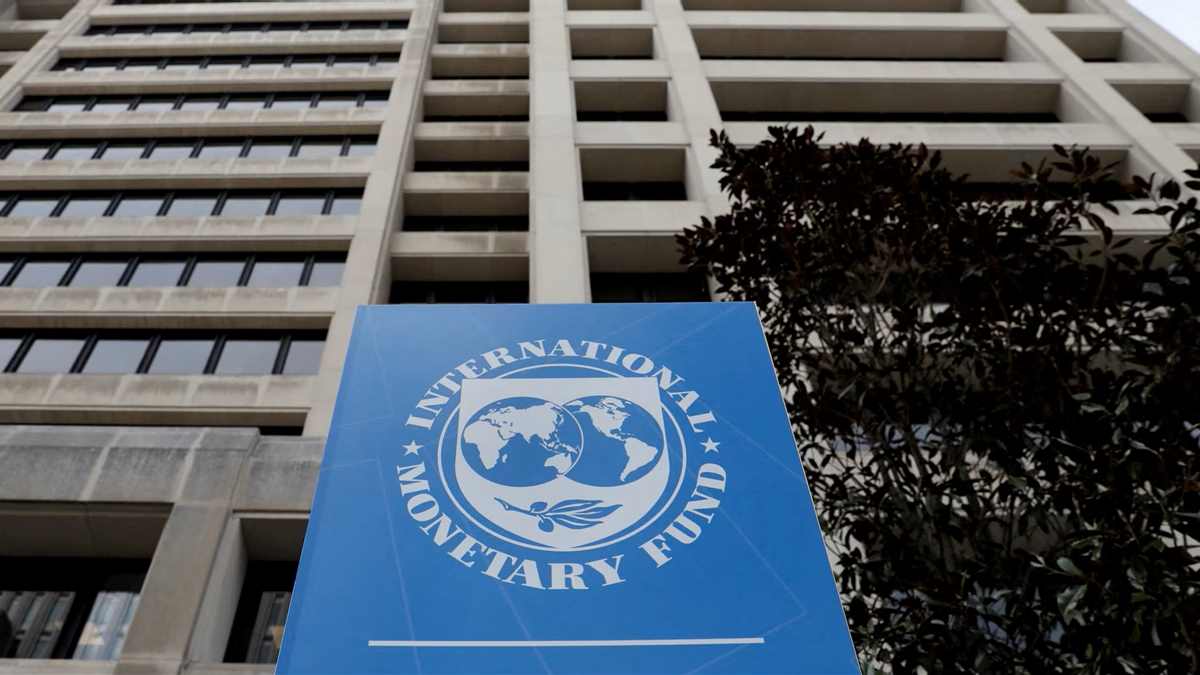
    IMF Highlights Rise of Stablecoin Use in Nigeria, Warns of Policy Risks
    IMF
    Share
    Facebook Twitter LinkedIn Pinterest Email Tumblr Reddit Telegram WhatsApp Copy Link

    IMF Highlights Rise of Stablecoin Use in Nigeria, Warns of Policy Risks

    The International Monetary Fund (IMF) has highlighted the rapid growth of stablecoin usage in Nigeria as a new channel for cross-border payments.

    The IMF said digital assets linked to the US dollar were easing payment challenges but creating fresh regulatory concerns. This is contained in a report issued on Tuesday.

    In its latest analysis, the IMF noted that Nigerian households and small businesses increasingly use smartphones and digital wallets. It said stablecoins had developed from a niche technology into a significant cross-border transaction method.

    The report, titled ‘Stablecoins in Nigeria: A Growing Cross-Border Channel’, was authored by Axel Schimmelpfennig and Bo Zhao. The IMF said Nigeria received about $59 billion in crypto-asset inflows between July 2023 and June 2024.

    It added that Nigeria ranked second globally in the 2024 Chainalysis Global Crypto Adoption Index. The country also accounted for about 60 per cent of stablecoin inflows in sub-Saharan Africa since 2019.

    According to the IMF, stablecoins now serve as a bridge between cryptocurrency markets and traditional financial systems. The report explained that stablecoins gained popularity because they allow faster and cheaper international transfers.

    Users can receive remittances or make overseas payments within minutes using only internet access. The IMF said this was particularly useful for people with limited access to formal banking services.

     It noted that stablecoins also support crypto trading by providing liquidity and settlement options. The report stated that remittance costs remain high, especially in sub-Saharan Africa, where fees average about nine per cent.

    The IMF said domestic economic pressures also increased demand for dollar-linked digital assets. It identified naira depreciation, inflation and foreign exchange shortages as major factors behind adoption.

     Stablecoins became attractive as users sought protection against currency risks and ways to pay foreign suppliers. The IMF recalled that after the Central Bank of Nigeria restricted banks from servicing crypto exchanges in 2021, activities moved elsewhere.

    The fund said many transactions shifted towards peer-to-peer platforms with weaker regulatory oversight. The organisation acknowledged that stablecoins could improve trade, remittances and financial inclusion.

    However, it warned that increased usage could create challenges for monetary policy and financial stability. The IMF said widespread dollar-denominated stablecoin use could resemble digital dollarisation.

     It explained that reduced demand for the local currency might weaken the transmission of monetary policy. The report also raised concerns about financial integrity and illegal financial activities.

    It said some digital platforms may not provide the same monitoring standards as traditional banks. The IMF warned that speed and anonymity could increase risks linked to money laundering.

     The fund advised against attempts to completely suppress stablecoin activities. Instead, it recommended policies that support innovation while addressing emerging risks.

     The IMF outlined four priorities for Nigeria, including protecting monetary stability and strengthening regulation. It said maintaining confidence in the naira remained essential to limiting digital dollarisation.

     The organisation praised recent economic reforms and tighter monetary measures aimed at improving stability. The IMF also urged clearer rules for stablecoin issuers and stronger oversight frameworks.

    It said Nigeria should align its regulations with international standards while considering local conditions. The report recommended improved data collection to help authorities monitor stablecoin activities.

     It suggested combining blockchain analysis with information on naira-to-stablecoin conversions. According to the IMF, better payment infrastructure could reduce reliance on informal channels.

    The fund said Nigeria’s instant payment systems and regional initiatives had shown progress. It encouraged further investment in faster, cheaper and more connected payment networks.

     The IMF stressed that stablecoins were neither a temporary trend nor a full replacement for traditional finance. It described them as a response to long-standing problems in cross-border payments.

     The organisation said the challenge was balancing innovation with effective regulation. It stressed that sound economic policies would remain vital as digital finance continues evolving. IMF Approves Fresh Loan for Rwanda

    stablecoin
    Share. Facebook Twitter Pinterest LinkedIn Tumblr Email
    Olu Anisere
    • Website
    • LinkedIn

    Olu Anisere is a financial and economic journalist at MarketForces Africa, specialising in African macroeconomic policy, international finance, energy markets, and continental development.He covers major multilateral institutions, including the International Monetary Fund (IMF), World Bank, and the United Nations Economic Commission for Africa (ECA), providing readers with frontline reporting on policies shaping Africa's economic trajectory.Olu has reported extensively on Nigeria's fiscal and monetary policy landscape, including CBN interest rate decisions, Nigeria's bond market, FX inflows, and the country's engagement with global financial institutions.His coverage spans IMF and World Bank Spring and Annual Meetings, African Ministers of Finance conferences, and high-level economic forums where Africa's development agenda is set.His reporting captures perspectives from Africa's most influential economic voices, including Tony Elumelu, senior IMF officials, and CBN leadership, bringing institutional insight and policy depth to MarketForces Africa's readers.Olu also covers Inside Africa — tracking economic, investment, and development stories from across the continent. Olu Anisere is based in Lagos, Nigeria.

    Keep Reading

    NCC Begins Review of Mobile Termination Rates after 8 Years

    Strait of Hormuz: Transit May  Take ‘Weeks’ to Resume

    XRP Price Ticks Up as Ripple Invests in Flutterwave

    HYPE- Hyperliquid Surges by 11% on SpaceX Perp Catalyst

    GCR Upgrades Wema Bank Plc’s Issuer Rating to A/A1

    SSA Sovereigns Face Iran Shock from Stronger Starting Point -Fitch

    Add A Comment

    Comments are closed.

    Editors Picks

    NCC Begins Review of Mobile Termination Rates after 8 Years

    June 16, 2026

    Strait of Hormuz: Transit May  Take ‘Weeks’ to Resume

    June 16, 2026

    XRP Price Ticks Up as Ripple Invests in Flutterwave

    June 16, 2026

    HYPE- Hyperliquid Surges by 11% on SpaceX Perp Catalyst

    June 16, 2026

    GCR Upgrades Wema Bank Plc’s Issuer Rating to A/A1

    June 16, 2026
    Latest Posts

    NCC Begins Review of Mobile Termination Rates after 8 Years

    June 16, 2026

    Strait of Hormuz: Transit May  Take ‘Weeks’ to Resume

    June 16, 2026

    XRP Price Ticks Up as Ripple Invests in Flutterwave

    June 16, 2026

    HYPE- Hyperliquid Surges by 11% on SpaceX Perp Catalyst

    June 16, 2026

    GCR Upgrades Wema Bank Plc’s Issuer Rating to A/A1

    June 16, 2026

    Subscribe to News

    Get the latest sports news from Dmarketforces Africa about finance, business and tech.

    Advertisement
    Facebook X (Twitter) Pinterest Vimeo WhatsApp TikTok Instagram

    News

    • World
    • Politics
    • Economy
    • Business
    • Opinions
    • Fintech
    • Science & Technology

    Company

    • About us
    • Advertising
    • Classified Ads
    • Contact Info
    • Editorial Policy

    Services

    • Subscriptions
    • Research
    • Due Diligence
    • Newsletters
    • Sponsored News
    • Work With Us

    Subscribe to Updates

    Subscribe to updates from MarketForces Africa, an independent financial news service provider.

    © 2026 MarketForces Africa. All rights reserved.
    • Privacy Policy
    • Terms
    • Accessibility

    Type above and press Enter to search. Press Esc to cancel.