
Close Menu
MarketForces AfricaMarketForces Africa
    What's Hot

    IMF: FG Dismisses Report on New Telecom, Fuel Taxes

    June 17, 2026

    G7 leaders to Discuss Global Economic Recovery

    June 17, 2026

    South Africa’s Inflation Rises to 4.5% in May

    June 17, 2026
    Facebook X (Twitter) Instagram
    Trending
    • IMF: FG Dismisses Report on New Telecom, Fuel Taxes
    • G7 leaders to Discuss Global Economic Recovery
    • South Africa’s Inflation Rises to 4.5% in May
    • Crude Oil Prices Fall Below $80 as Supply Risk Eases
    • South African Rand Strengthens Ahead of Inflation
    • Wall Street, FTSE 100 Mixed Ahead of Fed Rates Decision
    • XRP Price Slides Amidst Ripple’s Strategic Investment in Flutterwave
    • Apapa Customs Intercepts ₦12.7bn Cannabis Sativa, Expired Drugs
    • Home
    • About Us
    Facebook X (Twitter) Instagram LinkedIn WhatsApp TikTok Telegram
    MarketForces AfricaMarketForces Africa
    Subscribe
    Wednesday, June 17
    • Home
    • News
    • Analysis
    • Economy
    • Mobile Banking
    • Entrepreneurship
    MarketForces AfricaMarketForces Africa
    MarketForces Africa » MarketForces News » ‘Tinubunomics’ not Designed for Instant Abundance — Budget Office DG

    ‘Tinubunomics’ not Designed for Instant Abundance — Budget Office DG

    Ogochukwu NdubuisiBy Ogochukwu NdubuisiJanuary 5, 2026 Economy No Comments3 Mins Read
    ‘Tinubunomics’ not Designed for Instant Abundance — Budget Office DG
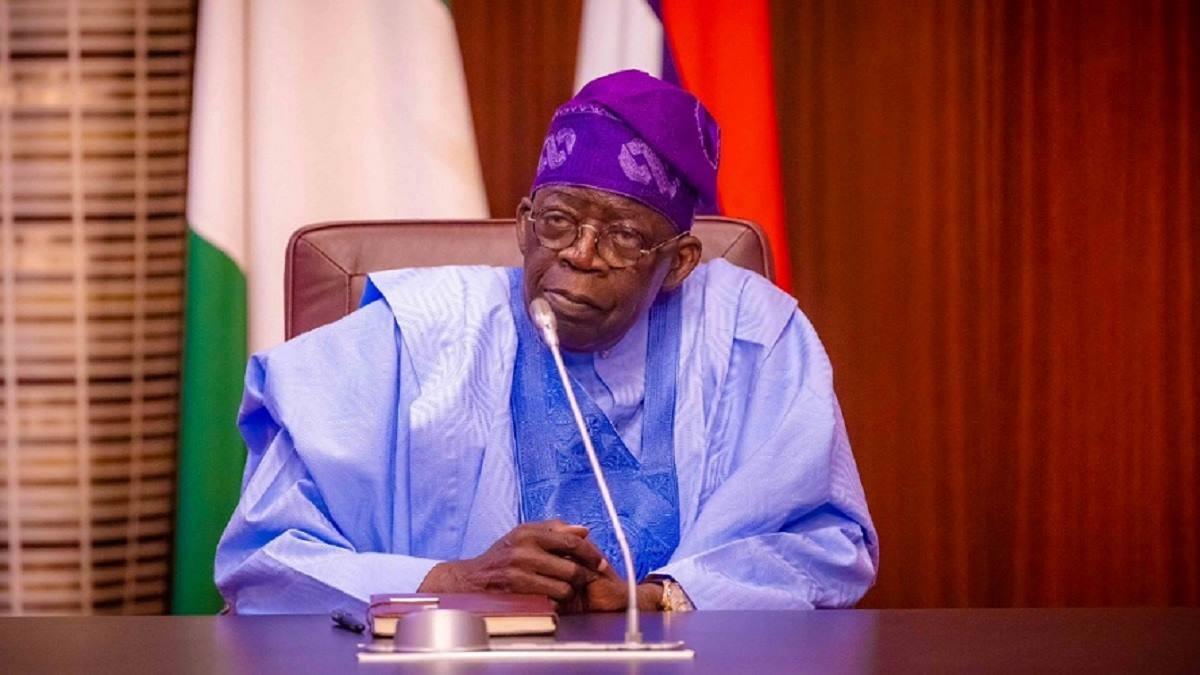
    Bola Ahmed Tinubu, Nigerian President
    Share
    Facebook Twitter LinkedIn Pinterest Email Tumblr Reddit Telegram WhatsApp Copy Link

    ‘Tinubunomics’ not Designed for Instant Abundance — Budget Office DG

    Mr Tanimu Yakubu, the Director-General of the Budget Office of the Federation, says President Bola Tinubu’s economic reforms, popularly known as Tinubunomics, were never intended to deliver “instant abundance.”

    Yakubu stated this in a statement titled ‘Tinubunomics and the Arithmetic of Illusion’, issued on Sunday in Abuja. He said much of the criticism against the reforms was built on what he described as misleading arithmetic rather than sound economic analysis.

    “A striking feature of Nigeria’s current economic debate is the enthusiasm with which huge numbers are circulated — and the casualness with which they are assembled. “This is not an economic analysis. It is an arithmetic illusion,” he said.

    Yakubu explained that many viral critiques failed to distinguish between revenue, cash and financing, as well as between federation-wide collections and actual Federal Government budgetary resources. “These are not technicalities. They are the foundation of public finance,” he said.

    According to him, borrowing is often wrongly treated as income, while federation revenues are frequently presented as if they were entirely available to the Federal Government.

    “Revenue is not the same as cash available to the Federal Government. Borrowing is not income; it is financing and creates future obligations. “Federation receipts are not equivalent to what the Federal Government can spend,” Yakubu said.

    He said critics routinely aggregate tax collections, oil revenues, customs receipts, borrowing and subsidy savings into large headline figures, then question how such sums were spent.

    “The result is a dramatic number — ₦150 trillion, ₦170 trillion, ₦180 trillion — followed by the question: where did the money go? “The answer is straightforward: much of it never existed in the form being implied,” he said.

    Yakubu explained that fuel subsidy removal did not generate a pool of discretionary cash but merely closed longstanding fiscal leakages. He said: “Subsidy reform does not conjure idle cash. It closes a hole.

    “The fiscal benefit appears gradually through reduced deficit pressure, improved budgeting discipline and targeted support, not through sudden spendable savings.”

    On public debt, he said much of the recent increase in naira-denominated debt resulted from exchange-rate revaluation of existing external obligations, not fresh borrowing.

    “When the exchange rate adjusts, the naira value of dollar-denominated debt rises automatically. “Treating this accounting effect as new borrowing is a category error,” he said.

    Yakubu stressed that Tinubunomics was a macro-fiscal reset undertaken within severe inherited constraints, including debt service burdens, security spending, legacy arrears and constitutional obligations.

    According to him, Tinubunomics was never a promise of instant abundance. “It is a structural reset aimed at restoring price signals, strengthening revenue administration, rebuilding credibility and repricing the public balance sheet while protecting the most vulnerable,” he said.

    He said proper accountability should focus on federal retained revenue, financing sources, expenditure composition and measurable outcomes.

    “Accountability does not begin with social media arithmetic, It starts with audit logic, anything else is theatre,” he said. #‘Tinubunomics’ not Designed for Instant Abundance — Budget Office DG#

    Tinubu Tinubunomics
    Share. Facebook Twitter Pinterest LinkedIn Tumblr Email
    Ogochukwu Ndubuisi
    • Website
    • Facebook
    • X (Twitter)
    • LinkedIn

    Ogochukwu Ndubuisi is an editorial content strategist and financial news writer at MarketForces Africa, covering a broad range of topics including Nigeria's equity markets, infrastructure development, energy, government policy, corporate finance, and digital economy.With over 2,400 published articles on MarketForces Africa, Ogochi brings depth and consistency to the publication's daily news coverage.Her reporting spans Nigerian Exchange Group market movements, Lagos State infrastructure projects, and federal government economic policies, oil and gas developments, and emerging sectors shaping Nigeria's economic landscape.She also covers Africa-wide stories, including East African market indices, continental investment trends, and cross-border economic developments.Ogochi works closely with MarketForces Africa's editorial and corporate communications teams to deliver accurate, timely, and well-researched content to the publication's professional readership.Ogochukwu Ndubuisi is based in Lagos, Nigeria.

    Keep Reading

    IMF: FG Dismisses Report on New Telecom, Fuel Taxes

    G7 leaders to Discuss Global Economic Recovery

    South Africa’s Inflation Rises to 4.5% in May

    Crude Oil Prices Fall Below $80 as Supply Risk Eases

    South African Rand Strengthens Ahead of Inflation

    Wall Street, FTSE 100 Mixed Ahead of Fed Rates Decision

    Add A Comment

    Comments are closed.

    Editors Picks

    IMF: FG Dismisses Report on New Telecom, Fuel Taxes

    June 17, 2026

    G7 leaders to Discuss Global Economic Recovery

    June 17, 2026

    South Africa’s Inflation Rises to 4.5% in May

    June 17, 2026

    Crude Oil Prices Fall Below $80 as Supply Risk Eases

    June 17, 2026

    South African Rand Strengthens Ahead of Inflation

    June 17, 2026
    Latest Posts

    IMF: FG Dismisses Report on New Telecom, Fuel Taxes

    June 17, 2026

    G7 leaders to Discuss Global Economic Recovery

    June 17, 2026

    South Africa’s Inflation Rises to 4.5% in May

    June 17, 2026

    Crude Oil Prices Fall Below $80 as Supply Risk Eases

    June 17, 2026

    South African Rand Strengthens Ahead of Inflation

    June 17, 2026

    Subscribe to News

    Get the latest sports news from Dmarketforces Africa about finance, business and tech.

    Advertisement
    Facebook X (Twitter) Pinterest Vimeo WhatsApp TikTok Instagram

    News

    • World
    • Politics
    • Economy
    • Business
    • Opinions
    • Fintech
    • Science & Technology

    Company

    • About us
    • Advertising
    • Classified Ads
    • Contact Info
    • Editorial Policy

    Services

    • Subscriptions
    • Research
    • Due Diligence
    • Newsletters
    • Sponsored News
    • Work With Us

    Subscribe to Updates

    Subscribe to updates from MarketForces Africa, an independent financial news service provider.

    © 2026 MarketForces Africa. All rights reserved.
    • Privacy Policy
    • Terms
    • Accessibility

    Type above and press Enter to search. Press Esc to cancel.