
Close Menu
MarketForces AfricaMarketForces Africa
    What's Hot

    XRP Extends 7-Day Gains, Price Rises to $1.18

    July 5, 2026

    Cryptocurrencies Rally as U.S. M2 Money Supply Tops $23trn

    July 4, 2026

    Revolut to Delist USDT in Europe Ahead of MiCA Regulation

    July 4, 2026
    Facebook X (Twitter) Instagram
    Trending
    • XRP Extends 7-Day Gains, Price Rises to $1.18
    • Cryptocurrencies Rally as U.S. M2 Money Supply Tops $23trn
    • Revolut to Delist USDT in Europe Ahead of MiCA Regulation
    • Ecobank Nigeria Wins Deutsche Bank’s Client Excellence Award
    • NGX 30: What Nigeria’s Most Important Stock Index Reshuffle Means for Investors
    • Cardano Price Rises 5% as RealFi Testnet Launch Drives Optimism
    • Ether.fi Gains 11% as Capital Rotates into Altcoins
    • HYPEUSD Jumps by 4%, Tops $71 on Buyback Momentum
    • Home
    • About Us
    Facebook X (Twitter) Instagram LinkedIn WhatsApp TikTok Telegram
    MarketForces AfricaMarketForces Africa
    Subscribe
    Sunday, July 5
    • Home
    • News
    • Analysis
    • Economy
    • Mobile Banking
    • Entrepreneurship
    MarketForces AfricaMarketForces Africa
    MarketForces Africa » Inside Africa » South African Reserve Bank Holds Rates as Inflation Risks Surface

    South African Reserve Bank Holds Rates as Inflation Risks Surface

    Marketforces AfricaBy Marketforces AfricaMay 20, 2021Updated:May 20, 2021 Inside Africa No Comments4 Mins Read
    South African Reserve Bank Holds Rates as Inflation Risks Surface
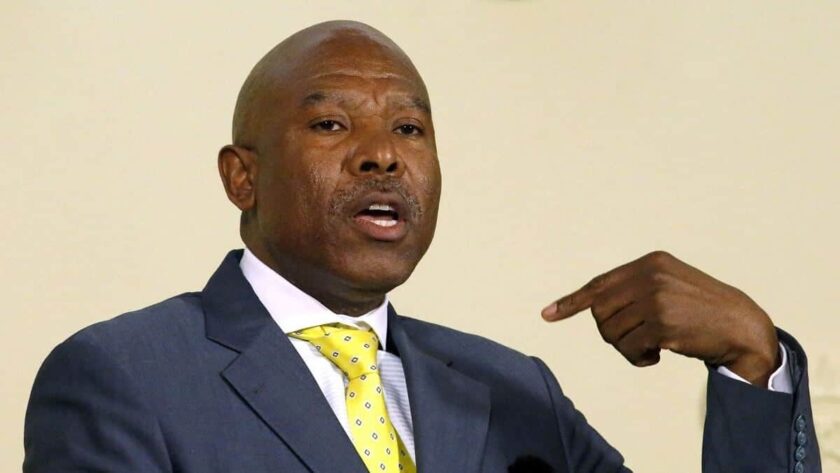
    SARB Governor Lesetja Kganyago
    Share
    Facebook Twitter LinkedIn Pinterest Email Tumblr Reddit Telegram WhatsApp Copy Link

    South African Reserve Bank Holds Rates as Inflation Risks Surface

    South Africa’s central bank kept support for an economic recovery in place on Thursday, leaving lending rates unchanged for the fifth meeting in a row, but said upside inflation risks were beginning to emerge.

    In a report, Fitch Ratings said the Central Bank easing cycle is likely to be over, noting that the Reserve Bank (SARB) cut interest rates by 300 basis points to 3.5% in 2020, as inflationary pressures remain well-contained.

    The Ratings agency added that rising concerns over fiscal prospects are likely to prevent further easing. It noted that SARB’s government bond purchases, launched in response to the crisis, have remained limited and the stock of assets stabilised at 0.8% of GDP in August, 2020.

    After a rigourous discussions, the unanimous decision by policymakers to hold rates was in line with market forecasts, but the more hawkish tone struck by Reserve Bank (SARB) Governor Lesetja Kganyago was a noteworthy change.

    Reacting to rising risks of inflation, Kganyago said recent spike in consumer prices was temporary, but that the bank would not hesitate to tighten policy if it became permanent.
    South African Reserve Bank Holds Rates as Inflation Risks Surface
    SARB Governor Lesetja Kganyago

    “Our analysis at the moment is that (the rise in inflation) it’s transitory,” Kganyago said during a virtual media conference. “Of course if inflation does surprise we stand to act as appropriate to make sure that balance is restored”.

    Headline consumer price inflation increased to 4.4% year-on-year in April, a touch shy of the mid-point of the bank’s target range of 4.5%, and its highest level since February last year, data showed on Wednesday.

    At the meeting the bank trimmed its forecast for consumer price-growth in 2021, to an average of 4.2% from 4.3% in March. It left forecasts for CPI in 2022 and 2023 unchanged, at 4.4% and 4.5% respectively.

    By leaving the repo rate unchanged at 3.5%, the bank has now gone more than a year since it delivered the first of 375 basis points of rate cuts to combat the impact of the as coronavirus pandemic. And while the easing cycle has ended, hikes remain unlikely in 2021, analysts said.

    “Despite a unanimous 5-0 vote to keep the repo unchanged, the hawkish tilt – important when it becomes necessary to raise rates – should not be dismissed,” said Razia Khan, Chief Africa economist at Standard Chartered.

    The rand ZAR, which has traded around 16-month best this month, firmed in response to the decision, hitting a session-high 13.9975 per dollar.

    On the economy, the bank raised its growth forecast for the year to 4.2% from 3.8% previously, citing favourable global conditions and firmer terms of trade spurred by strong commodity export prices.

    South Africa’s economy, already in recession before the pandemic struck, contracted by a record 7% in 2020, but recent data has pointed to a faster than expected recovery.

    Governor Kganyago, however, warned it was too early to call the current upswing in commodity prices a super-cycle.

    He added that the huge current account and trade surpluses enjoyed by South Africa over the past year would likely switch to deficits in 2022.

    Outlook Remains Negative after Downgrades:

    Fitch said in a report that further downgrade of South Africa’s rating to ‘BB-’ with a negative outlook in November 2020 reflected the high and rising government debt exacerbated by the Covid-19 shock, as the very low trend growth and exceptionally high inequality will continue to complicate fiscal consolidation efforts.

    Growth Recovering but Trend Weak:

    After a severe economic contraction in 2020, partly because of an exceptionally tough lockdown, GDP is expected to recover in 2021 but the scale of the recovery is weak relative to the fall last year, as pandemic risks linger and electricity shortages and tight public finances weigh on growth.

    The government is working on structural reforms to accelerate the economic recovery, but the scale envisaged is limited and recent record of implement is weak so that trend growth is likely to remain very weak, below 2%.

    Conditions for Debt Stabilisation Challenging:

    Again, Fitch maintained that conditions for debt stabilisation are challenging, given low trend growth, social pressures amid extremely high inequality, divisions within the ruling party hindering policy-making and limited room for raising taxes.

    However, it added that recent revenue performance has been surprisingly strong, and structurally the structure of debt is favourable.  

    South African Reserve Bank Holds Rates as Inflation Risks Surface

    Reserve Bank SARB South Africa
    Share. Facebook Twitter Pinterest LinkedIn Tumblr Email
    Marketforces Africa
    • Website
    • Facebook
    • X (Twitter)
    • Instagram
    • LinkedIn

    MarketForces Africa, a Financial News Media Platform for Strategic Opinions about Economic Policies, Strategy & Corporate Analysis from today's Leading Professionals, Equity Analysts, Research Experts, Industrialists and, Entrepreneurs on the Risk and Opportunities Surrounding Industry Shaping Businesses and Ideas.

    Keep Reading

    WHO Initiates Clinical Trial for New Ebola Treatment in DR Congo

    Google Play Launches $1m Fund to Boost African Game Developers

    Google Projects $90.6bn Economic Boost, Unveils Five AI Initiatives for Africa

    Ethiopia Unlocks Access to $484 Million IMF Loan

    What Namibia Can Learn from Angola’s Oil Reform Playbook

    South Africa Rand Trades Flat Ahead of Economic Data, Bond Auction

    Add A Comment

    Comments are closed.

    Editors Picks

    XRP Extends 7-Day Gains, Price Rises to $1.18

    July 5, 2026

    Cryptocurrencies Rally as U.S. M2 Money Supply Tops $23trn

    July 4, 2026

    Revolut to Delist USDT in Europe Ahead of MiCA Regulation

    July 4, 2026

    Ecobank Nigeria Wins Deutsche Bank’s Client Excellence Award

    July 4, 2026

    NGX 30: What Nigeria’s Most Important Stock Index Reshuffle Means for Investors

    July 4, 2026
    Latest Posts

    WHO Initiates Clinical Trial for New Ebola Treatment in DR Congo

    July 3, 2026

    Google Play Launches $1m Fund to Boost African Game Developers

    July 3, 2026

    Google Projects $90.6bn Economic Boost, Unveils Five AI Initiatives for Africa

    July 2, 2026

    Ethiopia Unlocks Access to $484 Million IMF Loan

    July 2, 2026

    What Namibia Can Learn from Angola’s Oil Reform Playbook

    July 1, 2026

    Subscribe to News

    Get the latest sports news from Dmarketforces Africa about finance, business and tech.

    Advertisement
    Facebook X (Twitter) Pinterest Vimeo WhatsApp TikTok Instagram

    News

    • World
    • Politics
    • Economy
    • Business
    • Opinions
    • Fintech
    • Science & Technology

    Company

    • About us
    • Advertising
    • Classified Ads
    • Contact Info
    • Editorial Policy

    Services

    • Subscriptions
    • Research
    • Due Diligence
    • Newsletters
    • Sponsored News
    • Work With Us

    Subscribe to Updates

    Subscribe to updates from MarketForces Africa, an independent financial news service provider.

    © 2026 MarketForces Africa. All rights reserved.
    • Privacy Policy
    • Terms
    • Accessibility

    Type above and press Enter to search. Press Esc to cancel.