

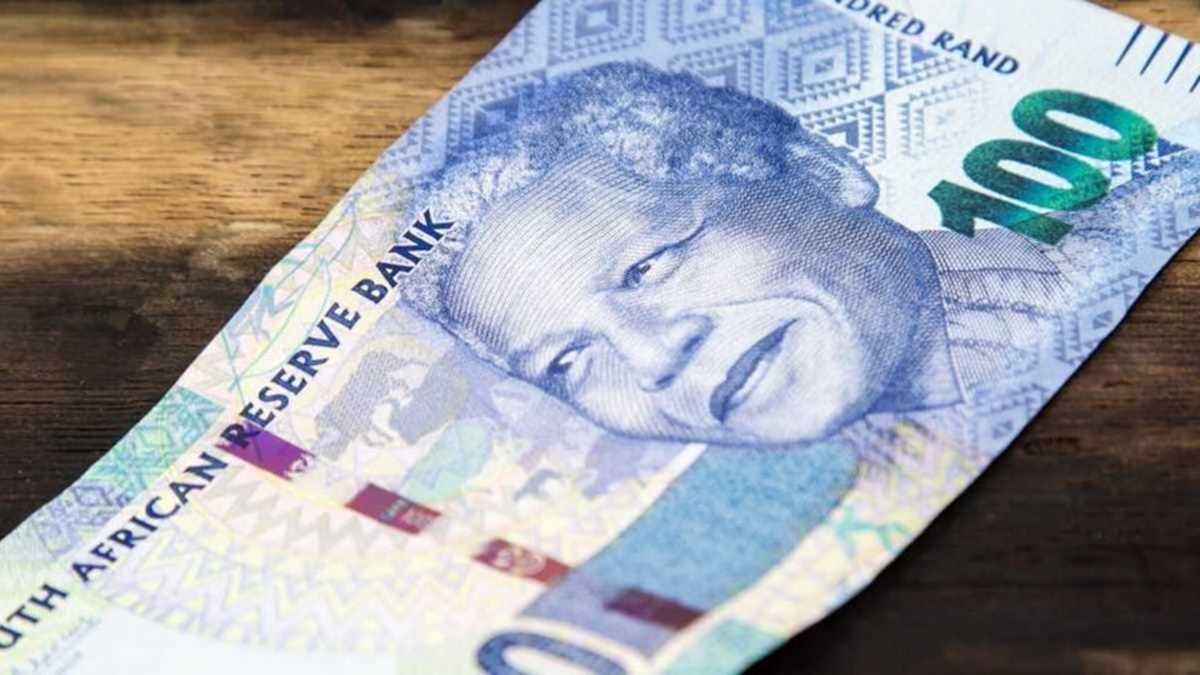
South African Rand Weakens Against Crosses as Oil Tops $108
South African Rand came under pressure on Tuesday as a worsening global energy crisis stokes inflation concerns and the increasing possibility of a Reserve Bank rate hike.
The rand is experiencing downward pressure against crosses, weakening to R16.28 against the dollar, R18.78 against the euro, and R21.94 against the pound, First National Bank (FNB) said in a brief today.
The Bank said fragile global risk sentiment and elevated oil prices continue to weigh heavily on the local unit, worsened by a strengthening US dollar index at the time.
A broadly stronger US dollar, supported by the US 10-year Treasury yield rising above 5% and increasing expectations of a Federal Reserve rate hike, has also weighed on most emerging-market currencies, with the rand’s weakness largely in line with peers.
Brent crude has topped $108 per barrel amid ongoing supply concerns as Saudi Arabia’s key East-West pipeline remained offline following drone attacks.
Delayed Hormuz corridor talks and uncertainty over Russian-Ukrainian energy infrastructure strikes continue to heighten geopolitical risks and support oil prices.
The disruption has also prompted refiners to seek alternative crude supplies, further tightening the market and reinforcing concerns over sustained supply shortages.
The yellow metal is trading at $4 303.38/ounce, hovering around five-week lows as elevated oil prices and rising Treasury yields strengthened expectations of a 25 basis point Fed rate hike.
Traders said persistent Middle East tensions, inflation concerns, and prospects of further monetary tightening by both the Fed and Bank of Japan continued to weigh on the non-yielding metal.
Nevertheless, gold has found some support from heightened geopolitical risks following Saudi Arabia’s pipeline shutdown and ongoing regional conflict, although gains remain capped by a stronger US dollar and higher real yields. ChatGPT, Claude, Grok Others Down as AI Bots Malfunction
