

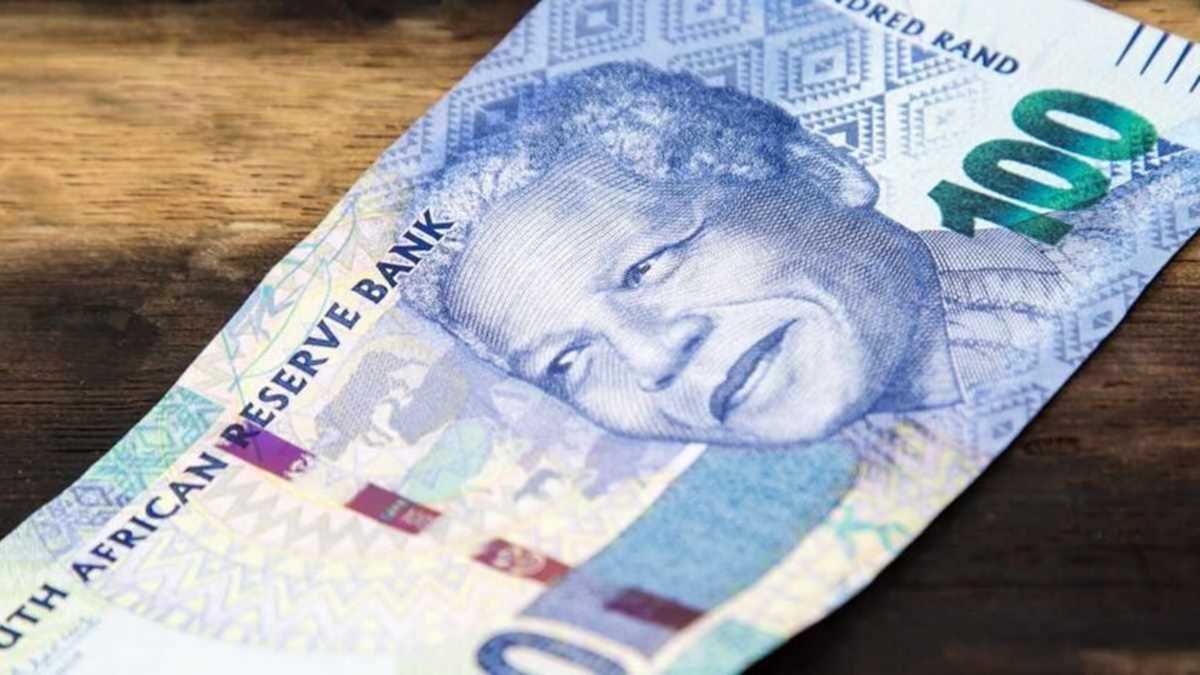
South African Rand Steadies as Investors Digest Fed Rates Decision
The South African rand traded steady on Thursday as global investors began digesting the US Federal Reserve’s decision to hold the fed funds rate unchanged at its committee meeting.
The local unit is trading relatively flat at R16.62 per US dollar, First National Bank (FNB) said in a brief. Against other crosses, the rand is trading at R22.13 per pound and R18.50 to the euro.
The market opened quietly as global investors digested the Federal Reserve’s decision to keep rates unchanged and commentary from Fed Chair Warsh.
Investors will now focus on whether the Fed will raise rates again at its final meeting in December amid higher energy costs. Brent has eased to $114.09 per barrel this morning as renewed diplomatic efforts reduced fears of further Middle East escalation.
Nonetheless, crude remains up over 17% this month amid persistent regional tensions and shipping risks, even as energy flows recover toward pre-war levels. Yellow metals also turned bearish as global commodity demand shifted.
Gold fell to $4 037.29 per ounce after the Fed held rates steady but offered limited policy guidance, while hawkish dissent reinforced expectations of a December hike.
Elevated oil prices and inflation concerns weighed on bullion after reports of an attack on a Saudi refinery. Investors will now await today’s US PCE inflation data and continue to monitor diplomatic developments in the Middle East.
Federal Reserve keeps rates unchanged
The United States (US) Federal Reserve voted to hold its federal funds rate at 3.75%-4.00%, in line with expectations, particularly after September’s weak payrolls print.
However, the decision was not unanimous, with two dissenters, Fed Governor Lisa Cook and Cleveland Fed President Beth Hammack, both voting for a 25-basis-point hike.
This marks the first time since 1992 that a Washington-based governor and a regional bank president dissented together in favour of tightening, signalling that the committee’s internal debate is more divided than the headline hold implies.
The post-meeting commentary was slightly more hawkish this time, describing the labour market as gradually cooling and inflation as “still elevated” relative to the Fed’s 2% goal, whereas September’s statement had said inflation was moderating.
When asked about the current stance of monetary policy, Fed Chair Kevin Warsh declined to call current policy sufficiently restrictive and emphasised the central bank’s “readiness to act as circumstances require” at the December meeting.
The September 3.7% CPI print was concerning, and three-month annualised core inflation of 4.1% remains inconsistent with a return to price stability on any reasonable timeline.
The implied probability of a December hike, which was already elevated going into the meeting, landed around 82% by the end of the press conference. Warsh’s most unexpected remark was that the Fed is “watching the AI capex cycle carefully” for signs that it is adding to inflation.
Beyond the US-Iran war oil shock and a cooling labour market, the Fed is now dealing with an AI investment boom that is driving up demand for construction, power, and skilled labour. Consistent with the Chair’s ongoing push to abandon forward guidance,
Warsh emphasised that the Fed remains strictly data-dependent and will evaluate whether further tightening is necessary based on upcoming economic indicators, including core PCE inflation and 3Q26 GDP advance estimates, as well as November’s payrolls and CPI releases in November and December, rather than pre-committing to a path.
Nigeria’s US Dollar Bonds Dumped as 10-Year Yield Surges to 8%
