

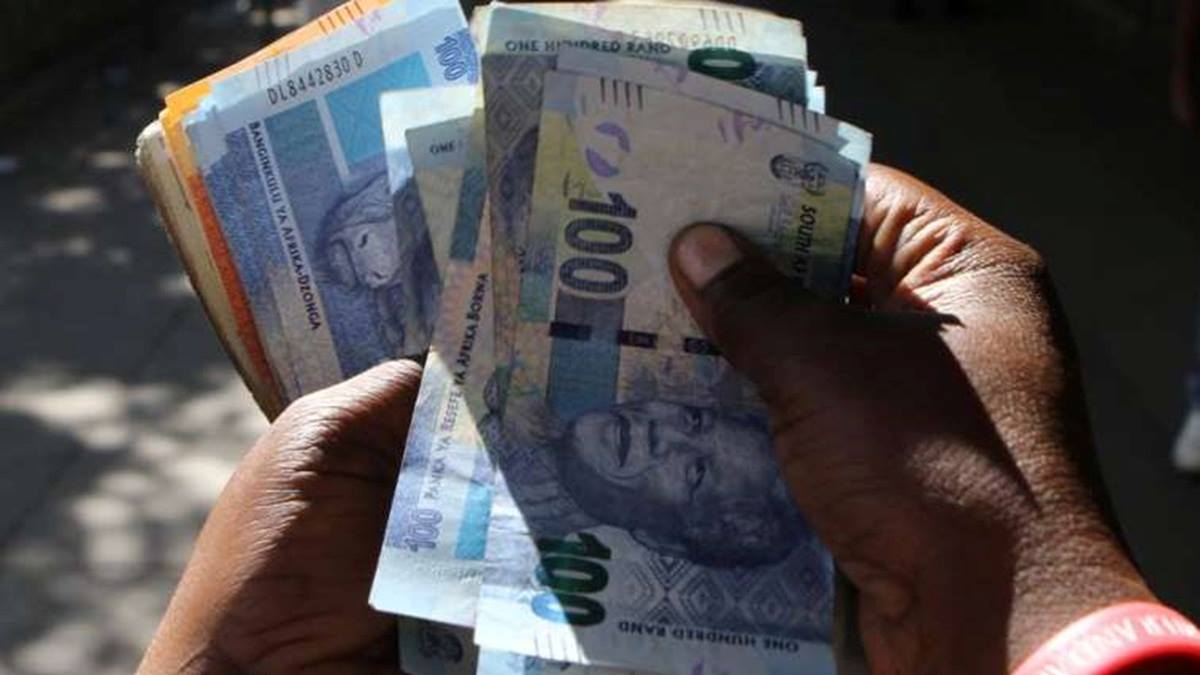
South African Rand Drops as Hot Inflation Data, Weaker Gold Weigh
South African rand fell against the crosses as the country’s inflation jumped amidst a sustained decline in gold prices and broader US dollar strength.
The local unit crashed through the R17/$ mark yesterday after the consumer price index (CPI) print showed inflation accelerating to 5.2% in October.
Broad global dollar strength and lower precious metal prices continue to compound pressure, First National Bank (FNB) said in a brief. The Bank said the rand is trading hands at R17.34 per dollar, R22.76 per pound and R19.01 per euro on Thursday.
South Africa’s headline inflation jumped to 5.2% year-on-year (y/y) in October from 4.5% in September, in line with market expectations but just below FNB Economics’ 5.3% forecast.
Monthly inflation was 0.7%, driven mainly by fuel. Average fuel prices rose 11.8% month-on-month (m/m) and were 42.9% higher than a year earlier, after the record October fuel price increase that followed the escalation in United States (US)-Iran tensions.
Underlying pressure also edged higher, with core inflation rising to 4.2% y/y (services: 5.0% y/y, core goods: 2.2% y/y). Food remains the main offset, with food and non-alcoholic beverage inflation still low at 1.4% y/y.
Consumers are evidently starting to feel the strain of tighter financial conditions. Retail sales growth slowed to 2.4% y/y in September from 3.2% in August, below expectations of 2.9%, and volumes fell 0.3% m/m for a second consecutive monthly decline.
Clothing and footwear slowed sharply to 0.9% from 6.6%, while hardware sales fell 1.5%. The third quarter as a whole remained solid, with volumes up 1.5% quarter-on-quarter (q/q), pointing to a sizeable retail contribution to 3Q26 GDP.
FNB said pressure is expected to build in the fourth quarter as the October fuel shock and September’s rate hike raise transport and debt costs for households.
The temporary fuel levy relief has done little to ease the burden, with petrol still more than 48% above pre-war levels, although steadier jobs and low food inflation should support spending on essentials.
Analysts said the inflation print moving further from the 3% target creates an uncomfortable trade-off for the South African Reserve Bank (SARB).
In September, it kept rates broadly steady through the rest of 2026 but warned that risks were skewed toward further tightening if fuel prices stayed high or second-round effects became more visible.
Both of those risks are now playing out, so a hold looks most likely at today’s announcement, but with a hawkish tone. The door remains open to another hike if fuel prices or the rand move the wrong way.
Gold has slipped to $3 724.62 per ounce as a stronger dollar and expectations of further Fed tightening weighed on prices.
Hawkish FOMC minutes and persistent inflation increased expectations for another December rate hike, reducing gold’s appeal as higher rates raise the opportunity cost of holding non-yielding assets.
Brent crude held at $92.08 per barrel this morning, close to late-August lows, as oversupply concerns outweigh Middle East tensions.
Rising US crude and fuel inventories reinforced the bearish outlook, while the IEA expects a two million barrel per day surplus this quarter. Oil has fallen roughly 20% this month despite intermittent geopolitical risks. Wall Street, European Stocks Mixed as Nvidia CEO Exit Alters Sentiment
