

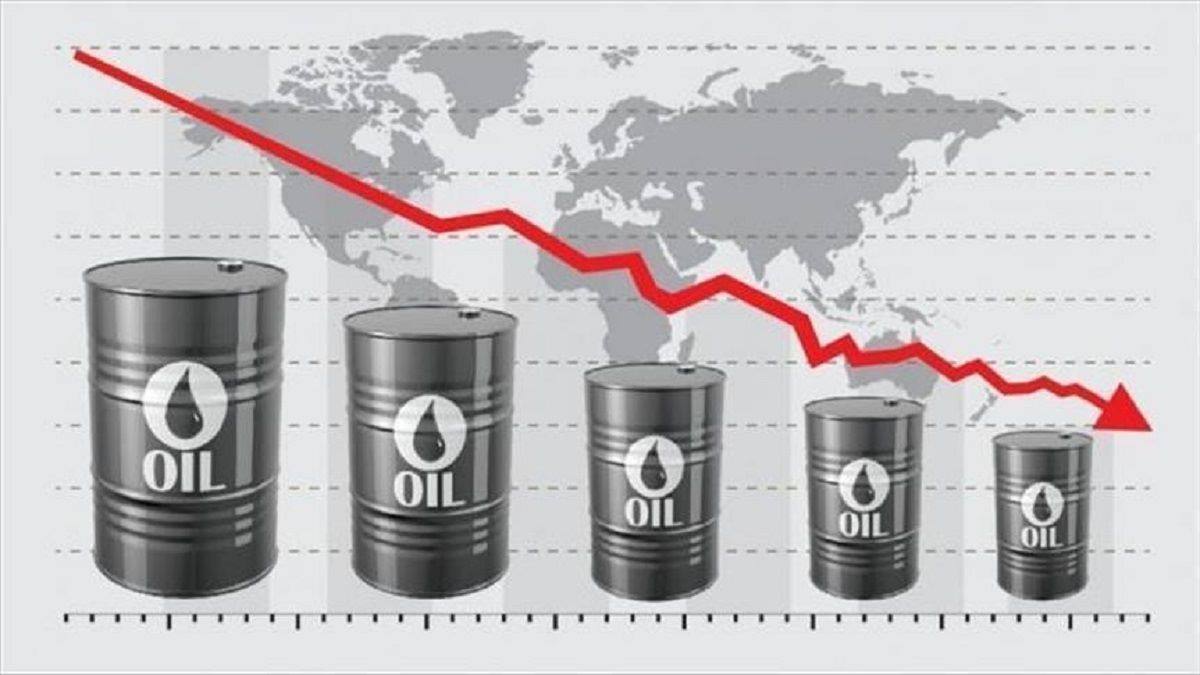
Oil Prices Fall as Markets Ignore US Brokered Ceasefire
Oil prices fall as the global commodities markets ignore Ukraine agreeing to US brokered ceasefire deal. The commodities complex traded positive yesterday but bumped during early trading hours on Wednesday amidst weak demand and supply concerns.
Recession fears in US, and shifting monetary policy expectations reversed earlier optimism, initially fuelled by prospects of a US Federal Reserve rate cut, with fresh data altering the market outlook.
Brent crude decreased by 0.07%, trading at $69.57 per barrel, down from $69.62 at the close of the previous session. The US benchmark West Texas Intermediate fell by 0.03%, settling at $66.29 per barrel, compared to its prior session close of $66.31.
Despite the ongoing uncertainty in global markets, oil prices managed to settle higher yesterday, supported by the weaker US dollar. Even so, Brent continues to trade below US$70 per barrels and prices will likely remain sensitive to external developments.
The oil market seems to be largely ignoring Ukraine agreeing to a US-brokered ceasefire. There is still uncertainty over where Russia stands on the proposed agreement, ING says in a note.
Economic outlook, revised Fed policy expectations, and stabilised supply conditions are key drivers behind the recent drop in oil prices. On Monday, Trump said, ‘Because what we’re doing is very big. We’re bringing wealth back to America.’ His comments suggested that the transitional phase would eventually benefit the economy and buoy oil demand.
However, renewed concerns that the US tariffs on key trading partners might dampen economic growth have overshadowed those initial reassurances. Market players now worry that the adjustments could lead to a slower recovery, negatively impacting oil consumption in the world’s largest market.
Market expectations also shifted regarding the Fed. Initially, anticipation of a potential 25 basis point rate cut in June boosted market sentiment, as lower interest rates were expected to weaken the US dollar and increase oil demand.
Analysts suggest that the Fed may hold steady or even tighten policy to counter rising inflation, thereby strengthening the dollar and reducing the attractiveness of oil investments.
The earlier impact of Ukraine’s drone attacks on Moscow, which had heightened fears over possible disruptions in global oil supply, has also dwindled. Improved reassurances from Russian officials have alleviated concerns that the attacks could lead to significant supply interruptions.
Andriy Kovalenko, head of the Centre for Countering Disinformation at Ukraine’s National Security and Defence Council, later indicated that while the drone activity was initially alarming, the likelihood of mass disruptions in oil refining or production has notably decreased. #Oil Prices Fall as Markets Ignore US Brokered Ceasefire Naira Falls as FX Pressure Heats Up across Currencies Markets
